Record Colombian coca output fails to slow European-bound supply
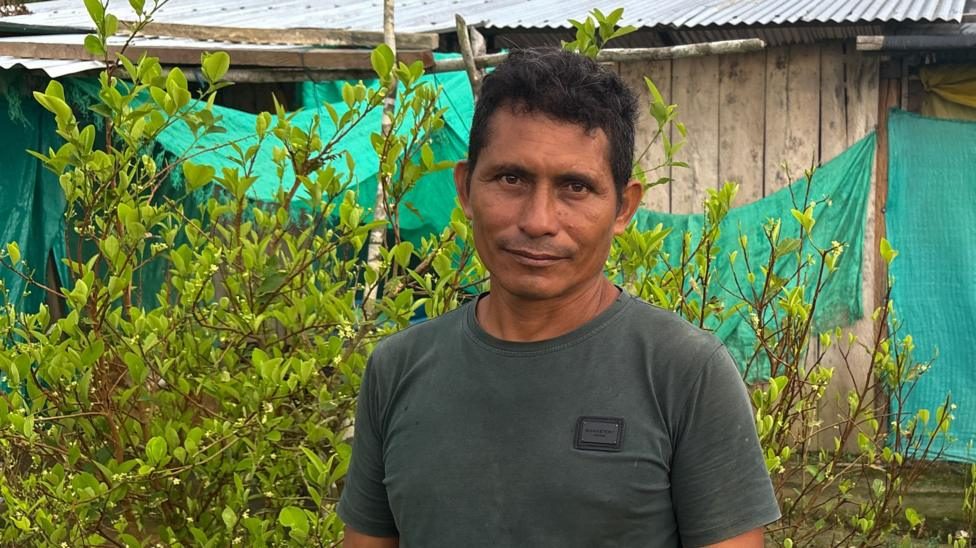
Colombia's coca cultivation has reached a record 250,000 hectares after the failure of a flagship substitution programme, guaranteeing a continued flow of cocaine to European markets despite years of eradication efforts.
Colombia's coca cultivation has hit a record 250,000 hectares, undermining years of policy efforts to cut the supply of cocaine bound for European markets. The surge highlights the enduring economic logic that continues to drive the illicit trade.
An estimated 70% of the global cocaine supply originates in Colombia. Analysts warn that relentless European and US demand ensures local farmers will keep planting the crop, regardless of state intervention.
The record harvest follows the effective collapse of a flagship crop substitution programme introduced in 2017. Around 100,000 families were promised 36m Colombian pesos ($11,000) over two years to replace coca with legal crops. However, payments were delayed, technical support failed to materialise, and poor infrastructure made it impossible to get legal produce to market.
"The government wasn't very committed to us farmers. We were treated badly," says Elena Hernández, who joined the programme in Guaviare. In the remote province of Meta, farmer Perea uprooted his coca bushes but replanted them in 2024 after assistance failed to arrive and floods destroyed his alternative crops. "It's a tragedy," he says. "But when you have children and no work, what choice do you have?"
For these communities, coca is simply better business. Lucas Marín Llanes, a Colombian researcher focusing on the coca economy, points out that farmers can secure three or four harvests a year, face fewer transport hurdles, and know their prices in advance. His research indicates coca cultivation increased municipal GDP by as much as 10% in certain areas between 2014 and 2019.
Political shifts also disrupted the effort. The programme lost momentum under former president Iván Duque, who pivoted back to aerial fumigation and forced eradication. These security measures cut off incomes without offering alternatives, while armed groups moved into the vacuum left by the disbanded Farc guerrillas to control trafficking routes.
The current government has responded with a new pilot programme, RenHacemos. Rather than just swapping plants, it aims to build roads, improve housing, and expand digital connectivity to overhaul local economies. "Coca is a business," says Gloria Miranda, director of the government's substitution agency. "RedHacemos aims to replace not only the coca plant, but the entire economy surrounding it."
Yet analysts doubt this will be enough to sever the supply chain reaching Europe. "Right now there is expanding demand, and so there will be supply to meet that," says Michael Weintraub of the University of the Andes. "That means Colombia will grow coca for the foreseeable future."