BBC’s on-ground strategy beats ITV’s ad-heavy final broadcast
The BBC’s decision to deploy its presenting team to the World Cup final stadium paid off against a subdued, commercially constrained ITV, highlighting the structural advantages of public funding in live sports broadcasting.
The BBC edged out ITV in the battle for UK World Cup final viewers by placing its lead presenter, Gabby Logan, directly inside the New York New Jersey Stadium. ITV, by contrast, opted to keep its highest-profile analysts in a rented Brooklyn studio overlooking the Hudson River.
After spending most of the tournament broadcasting from Salford, the BBC’s late pivot to on-site coverage provided a tangible sense of atmosphere. Pundits Wayne Rooney, Joe Hart and Micah Richards fed off a stadium building in intensity. The BBC also successfully framed the match around the individual battle between Lionel Messi and Lamine Yamal, capturing the domestic frustration over England’s absence.
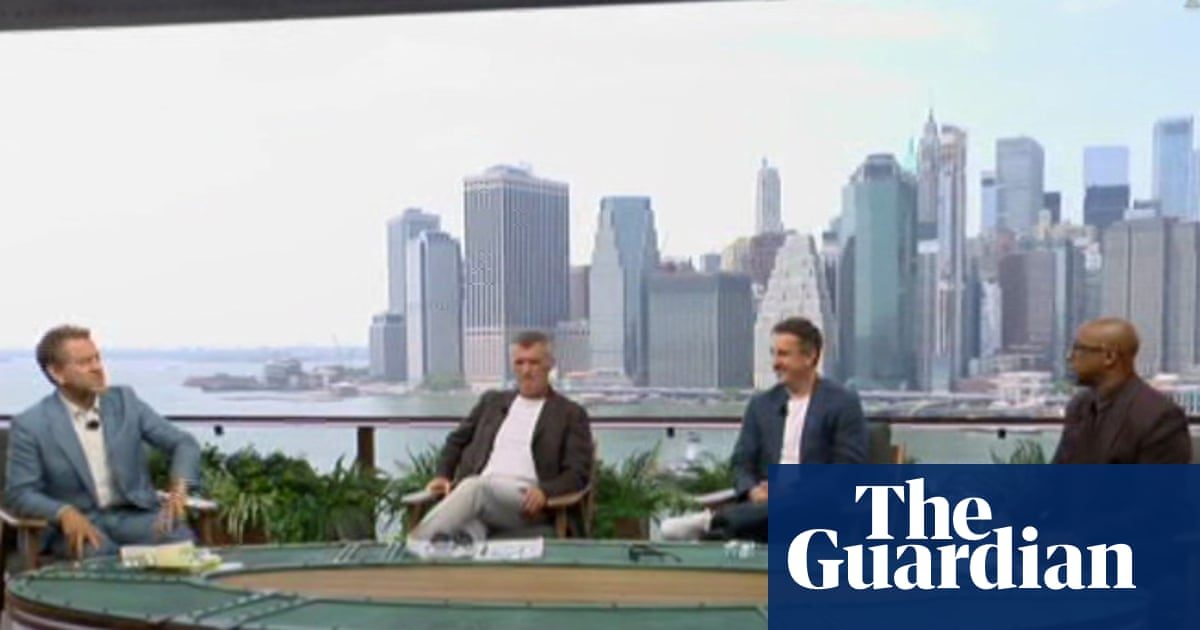
ITV’s Brooklyn setup looked strong on paper, housing familiar faces like Roy Keane, Gary Neville and Ian Wright. However, keeping the main talent away from the venue backfired. A backup team of Laura Woods, Karen Carney and Emma Hayes was physically present at the stadium but relegated to brief cameos. This meant ITV missed the pre-match noise, opting instead to focus on Robbie Williams performing a FIFA anthem.
The most striking divergence between the two networks was dictated by their underlying business models. The BBC, backed by the licence fee, aired uninterrupted coverage. This structural advantage allowed for proper analysis, even during a bizarre half-time interval featuring a kidnapped Ronaldo being released by Madonna. ITV, reliant on commercial revenue, had to "appease its paymasters," resulting in rushed post-break insights and lost airtime to anthems and a karaoke session that Rooney called "crap."
ITV’s ad breaks did afford its commentary team a distinct edge in entertainment value. Sam Matterface and Lee Dixon provided sharper reactions to a turgid match than the BBC’s Guy Mowbray and Alan Shearer. Dixon joked the final would "turn the Americans back to baseball," while Matterface accurately predicted Enzo Fernández’s red card before the BBC’s team noticed the second yellow. ITV also benefited from Christina Unkel’s clear refereeing analysis.
Ultimately, neither broadcast could fully compensate for a poor quality final. As the match dragged into extra time, a concerned Dixon asked: "There’s not more shows?" Ally McCoist noted the half-time entertainment had "mentally scarred" him, summing up an evening where both broadcasters survived the spectacle, but only the BBC fully capitalised on its location strategy.