Spain's World Cup win validates a resilient national model
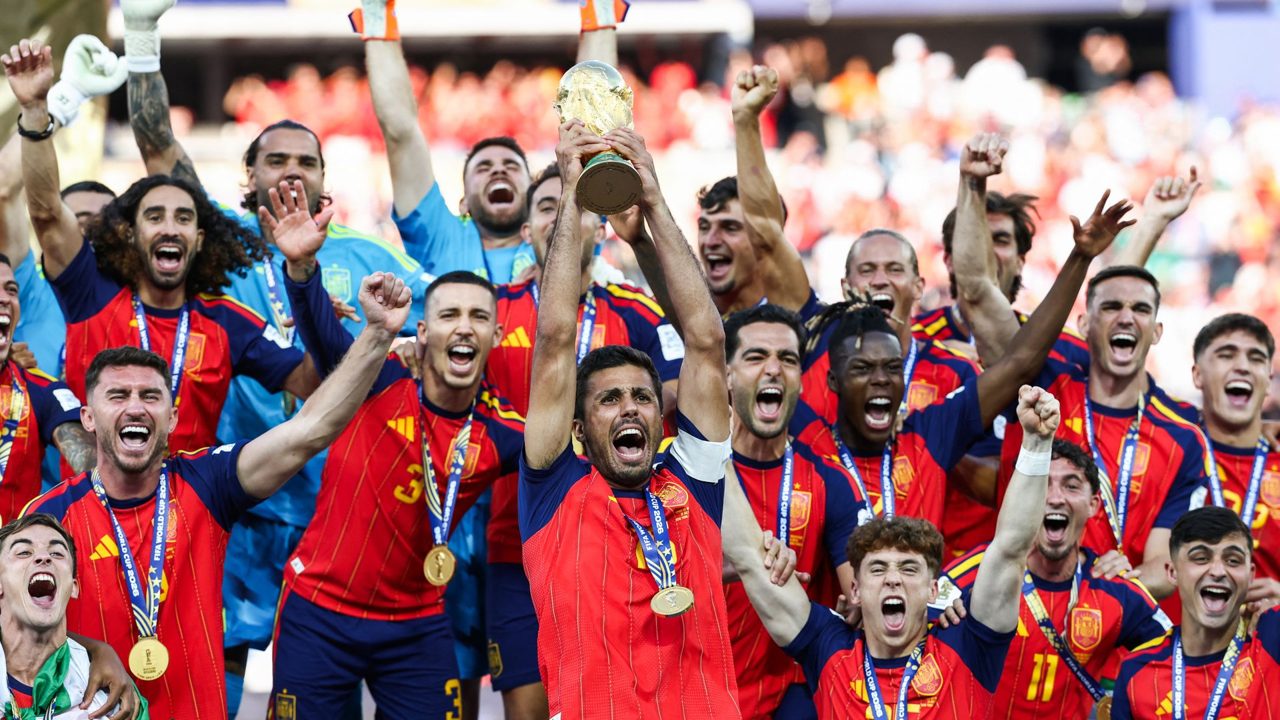
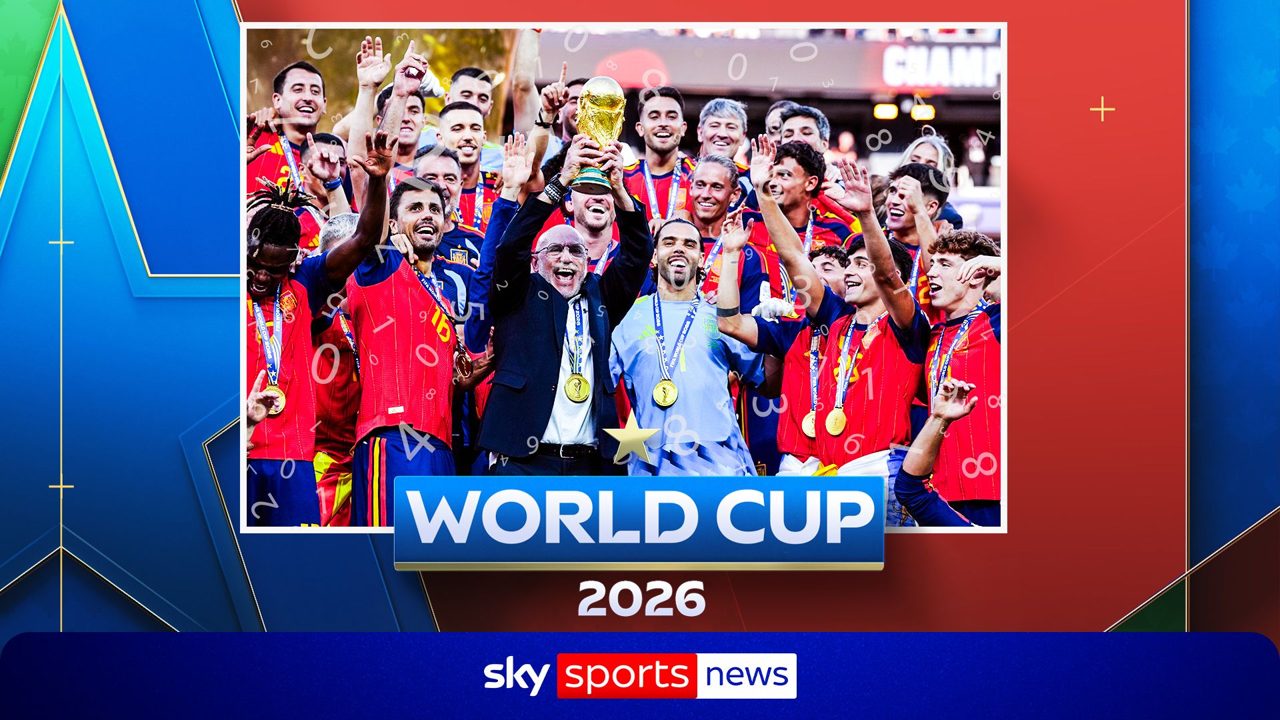
Spain's 1-0 World Cup final victory over Argentina validates a decades-long institutional commitment to a distinct national playing style over short-term tactical trends.
Spain defeated Argentina 1-0 in extra time to win the World Cup on Monday. Ferran Torres scored the decisive goal.
For a continent often urged to abandon its established methods in favour of more direct, globally popular approaches, the victory serves as a striking vindication of the Spanish model. Luis de la Fuente's side completed 400 more passes than Argentina and restricted the opposition to zero shots in the final.
The statistical dominance was absolute. Enzo Fernandez's red card summed up Argentina's frustration, while Lionel Messi—widely billed for a glorious swansong—was reduced to a passenger as Spain dictated the game entirely in their opponents' half.
This second World Cup title, adding to the 2010 triumph and three European Championships in 18 years, did not come without doubt. Spain's first knockout win in 16 years came against Austria, and a goalless opener against Cape Verde offered little encouragement.
Yet the footballing establishment never wavered from its core philosophy. "Everybody has been fascinated by that way of football and it has come again at a moment when people were thinking that we might be going more direct, that we might be trying to change the style," said Gary Neville. "But the Spanish way has won."
Possession was deployed as a highly efficient defensive shield. Spain held more of the ball in all eight of their matches and conceded just one goal in the entire tournament. Unai Simon won the Golden Glove, making fewer saves across the tournament than Argentina's Emiliano Martinez managed in the final alone.
The system's strength lay in its collective depth rather than individual star power. While Kylian Mbappe won the Golden Boot by matching Spain's entire team output, Spain's individual awards went to players who did not score. Rodri was named player of the tournament, Pau Cubarsi won the young player award, and Simon took the goalkeeper's prize.
De la Fuente's management underscored profound trust in the system over individual reputations. "The Spain manager took off Laporte and Rodri at 0-0. I think that is incredible," Neville noted. "You talk about bravery in substitutions in matches. They are probably Spain's two most influential players in those clean sheets."
The result is a testament to institutional patience and strategic clarity. "What they have is the best team, the best collective. And also the best system of play," Neville added. "That comes out most in international football when you are playing every four days in 35 degree heat. Technically and tactically, they are outstanding."
As Mikel Merino concluded after the final: "We knew that we were the better team in terms of football."