US Air Force seeks mobile missile defense against drones
The U.S. Air Force is asking industry to design a mobile ground-based air defense system, opening a potential procurement opportunity for European arms manufacturers facing identical unmanned threats.
The U.S. Air Force has issued a Request for Information to find a ground-based launcher capable of protecting its installations from cruise missiles and unmanned aerial vehicles. Contractors have until Aug. 6 to respond to the query, which outlines specific operational requirements for a highly mobile, self-contained defense system.
The service wants a single platform capable of neutralizing a wide spectrum of drone sizes. Requirements specify intercepting everything from Group 1 UAVs weighing under 21 pounds up to Group 5 drones exceeding 1,320 pounds, roughly the size of a Global Hawk. The system must also defeat incoming cruise missiles.
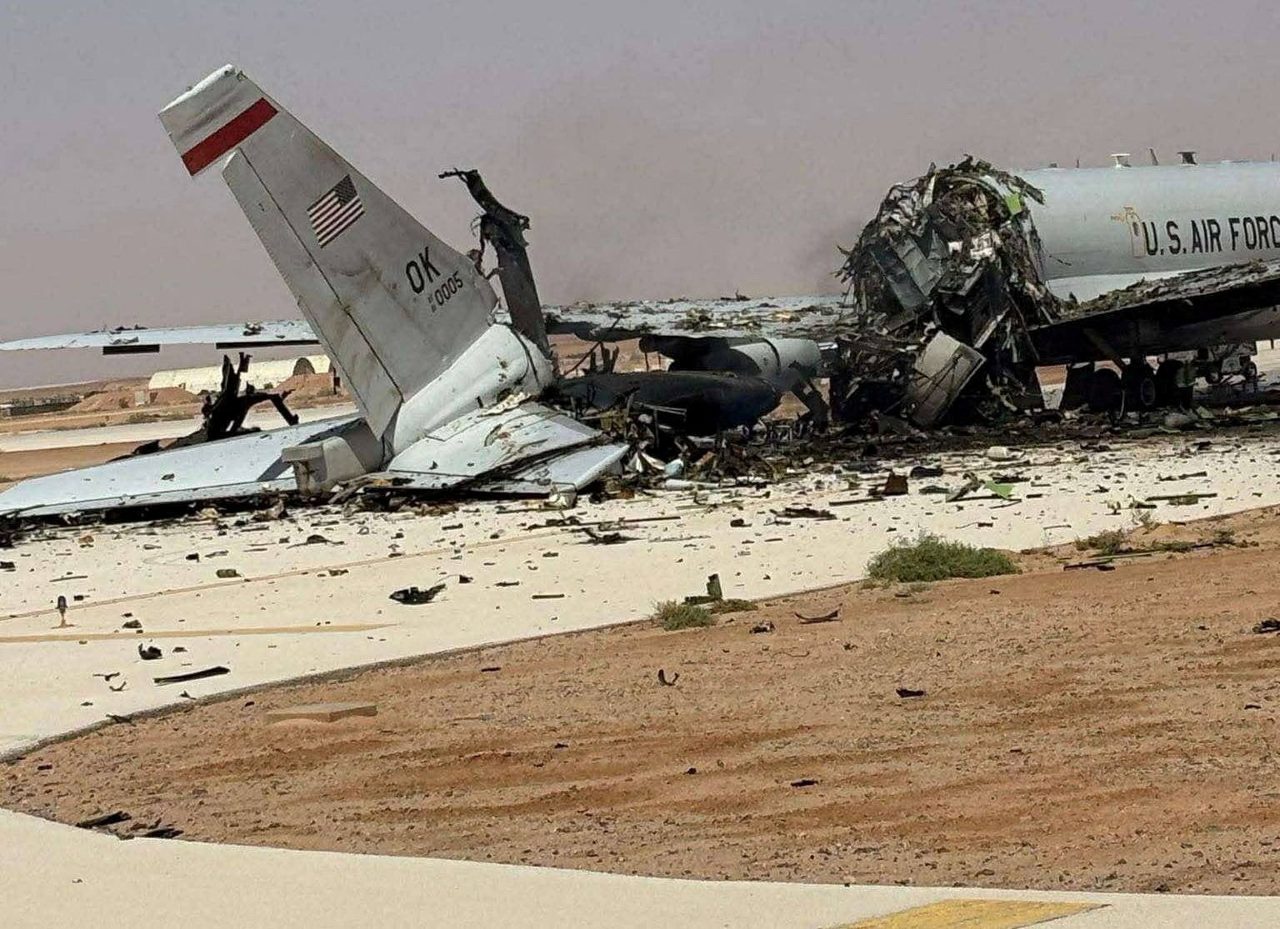
This search follows severe damage to U.S. and allied assets in the Middle East. Iranian weapons destroyed an E-3 Sentry AWACS aircraft and damaged at least five KC-135 tankers at Saudi airbases, alongside devastating multiple air defense radars. The RFI explicitly references the ongoing war in Ukraine, where volleys of drones and missiles have routinely overwhelmed air defenses and depleted interceptor stockpiles.
To avoid similar ammunition shortages, the Air Force is prioritizing magazine depth and sustained firing rates. The military is asking bidders to “outline operational performance metrics, specifically the firing rate across all magazines and the total magazine depth, while demonstrating seamless command and control (C2) system integration for rapid sensor data dissemination and weapons cueing.”
For European defense contractors, the query opens a tangible export opportunity at a time when the continent’s own militaries are urgently procuring air defenses against Russian long-range strikes. Firms that can deliver systems matching the 11 "critical baseline attributes" listed in the RFI will be well positioned. Those metrics demand strict attention to unit cost, transportability, and minimal manpower needs, alongside built-in testing diagnostics for maintenance and safety. The requested system must also use a laser illuminator for fire control and possess integrated sensing capabilities.
The technological baseline for the RFI is rooted in the 2012 Joint Staff publication JP 3-01, "Countering Air and Missile Threats." However, the urgency reflects modern combat realities rather than legacy doctrine. Even before the recent Iranian strikes, internal debates raged over how best to protect airfields. An Air Staff strategist recently warned that the service must stop relying on the Army for airfield defense, noting that expeditionary bases lack sophisticated Patriot batteries and that Air Force security forces are poorly equipped for the mission.