Social divide widens between Ukrainians at home and in Europe
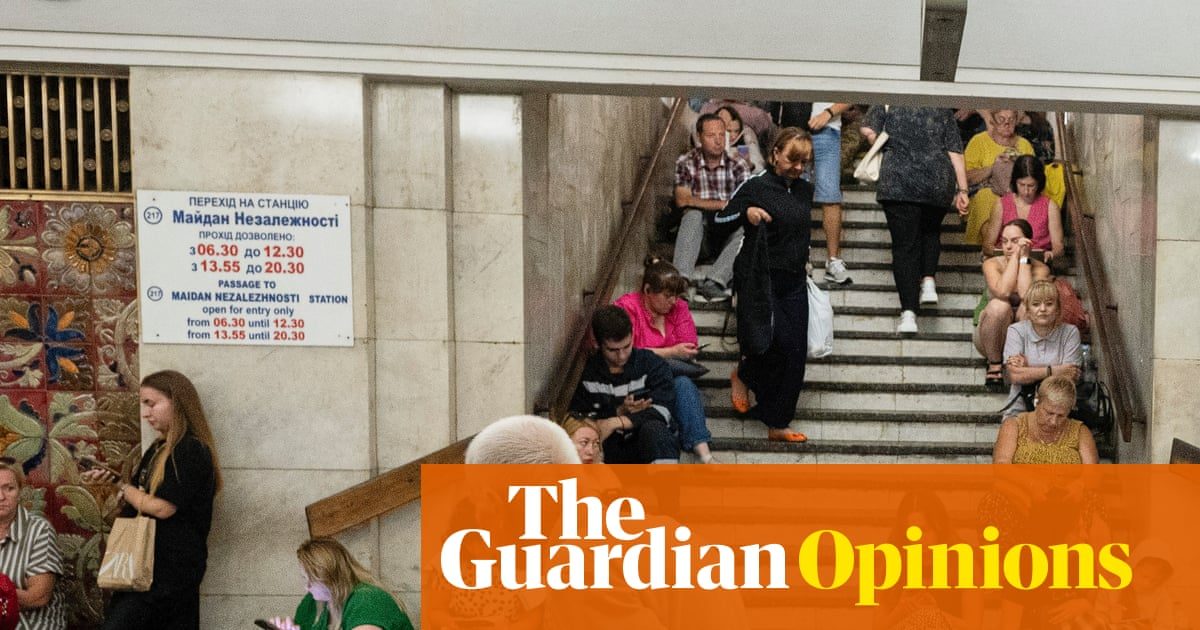
The mass displacement of Ukrainians has created a quiet but deepening psychological rift between those remaining in the war zone and the millions building new lives across European cities.
Nearly three years into Russia’s full-scale invasion, a less visible consequence of the conflict is emerging across Europe: a deepening social and psychological fracture between Ukrainians who stayed and those who fled.
Diana Berg, a Ukrainian cultural manager from occupied Mariupol and the founder of Platform TU, details a widening gap where friends and colleagues now inhabit fundamentally different realities. Those who left for cities like Kraków, Berlin, and Vilnius navigate bureaucracy, loneliness, and the uncertainty of refugee status. Those remaining face daily power outages, missile threats, and the constant disruption of daily life.
This divide manifests in small interactions, such as a colleague in Europe asking, "Can we reschedule?" without understanding constraints imposed by shelling. The disconnect became stark for Berg abroad when air raid sirens sounded, prompting a friend to note, "Drones over Kyiv." Within a minute came more alerts: a MiG had taken off, and cruise and ballistic missiles were launched.
The practical disparities of these two realities breed resentment on both sides. For Ukrainians in European cities, a spontaneous weekend trip or concert is possible. For those inside the country, every journey is a complex operation requiring hours of travel to a border and special permits. "Why is it so easy for them? Why not for me?" Berg writes, noting that understanding the reasons does not diminish the anger.
The rift is further complicated by mutual, unspoken guilt. Ukrainians outside the country grapple with depression and a sense of helplessness, sometimes pushing back against the moral authority of those still under fire. As one displaced colleague asked Berg: "How long can people keep using the war to make the rest of us feel guilty?"
For European policymakers and societies hosting millions of displaced Ukrainians, this internal fracture carries significant long-term implications. The mass displacement has scattered families across Bulgaria, Poland, Germany, and Austria, quietly redrawing the map of Ukrainian social networks.
If the shared reality of a nation dissolves into separate versions of the same war, post-war reconstruction will face an invisible but formidable hurdle. Rebuilding the country will require not just economic investment and infrastructure, but bridging a quiet psychological divide between those who endured the missiles and those who waited them out in safety.