Jack Wolfskin maps 3,500km Wolf Trail across Europe
Outdoor apparel maker Jack Wolfskin has linked historic paths across six countries into a 3,494km continuous hiking route, aiming to drive the European "thru-hiking" market while steering tourist spending into rural economies.
Outdoor gear company Jack Wolfskin has pieced together a 3,494km continuous hiking route stretching from Poland’s Baltic coast to Italy’s Adriatic shores at Trieste. The Wolf Trail crosses six countries—Poland, Germany, Austria, Switzerland, Slovenia and Italy—connecting existing historic pathways into a single, branded transnational route.
The initiative is a calculated move to build the European "thru-hiking" market, a sector where walkers cover continuous long-distance routes and resupply in towns along the way. This model turns remote villages into essential supply points, injecting steady tourist revenue into rural economies far from traditional holiday hotspots. By standardising a months-long journey, Jack Wolfskin is also creating a captive audience of consumers who will require sustained gear expenditure over a four-to-six-month period.
Designing the route required navigating Europe’s fragmented legal landscape, particularly strict camping laws that can result in steep fines for wild campers in Germany. By weaving together recognised paths that pass through established infrastructure, the brand has effectively created a legally compliant corridor for long-distance walkers. The trail intentionally directs hikers to pre-approved trekking camps, mountain huts and local villages, ensuring their accommodation and dining spending stays within the formal local economy.
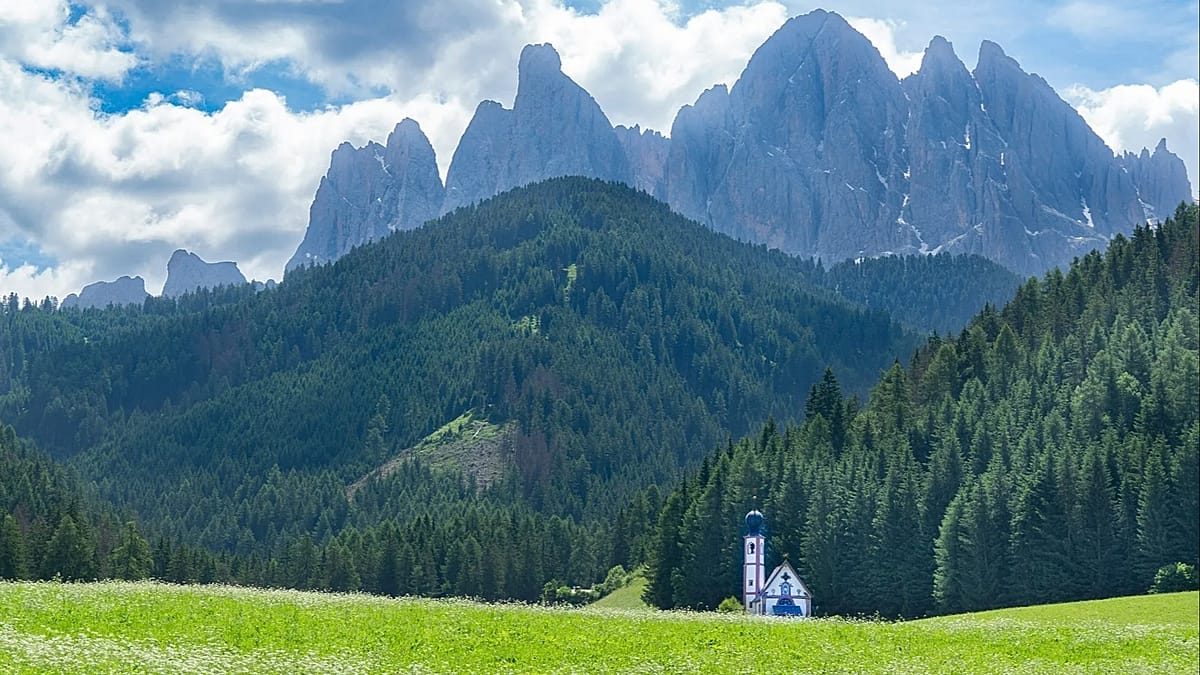
Spanning from the flat Baltic shores to the craggy peaks of the Dolomites, the trail covers a massive geographic cross-section of the continent divided into seven continuous stages. It begins with a 428km Polish coastal stretch from Hel to Świnoujście, moving 1,930km through German cities like Rostock towards the Swiss border. A 392km Alpine stretch through the Allgäu region leads into Innsbruck, before the final leg follows the Via Alpina through the Italian Dolomites and Slovenia’s Triglav National Park.
Despite the corporate backing, logistics remain a barrier to mass adoption. The route demands 78,400 metres of elevation gain—the equivalent of summiting Mount Everest roughly nine times. Hikers must also carefully schedule their trips, as Alpine blizzards make the mountainous sections impassable between October and March. Still, Canadian long-distance backpacker Lauren Roerick has thoroughly vetted the route, confirming it is safe and adequately marked to prevent walkers from straying.