Charli XCX pivots to guitar-led sound on new album Music Fashion Film
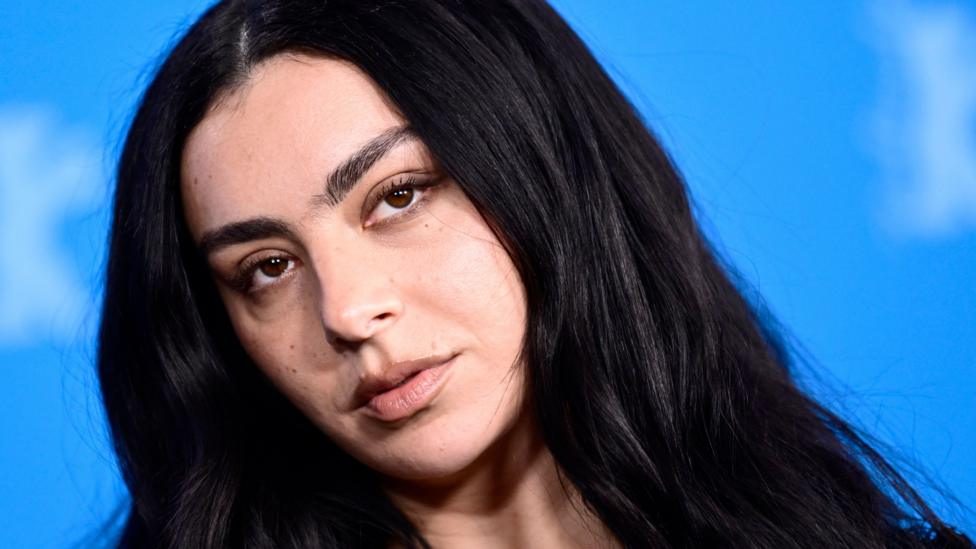
British pop star Charli XCX has released a 29-minute guitar-led album titled Music, Fashion, Film, signaling a strategic departure from her recent dance-pop success to address the physical toll of the modern music industry and leverage cross-sector cultural capital.
British singer Charli XCX has released her new album, Music, Fashion, Film, just months after the massive commercial success of her sixth record, Brat. The 29-minute project features 11 short, guitar-based tracks, marking a deliberate departure from the dance-oriented sound that defined her recent era.
The release highlights the intense physical and creative demands placed on pop artists in the current music economy. Following a punishing year-long global tour for Brat—which saw the album co-opted by Kamala Harris’s 2024 presidential campaign and its title added to the Collins English Dictionary—Charli XCX has suffered nerve damage in her neck. She noted that the head-banging physicality of the tour progressively worsened her sleep habits and pain levels.
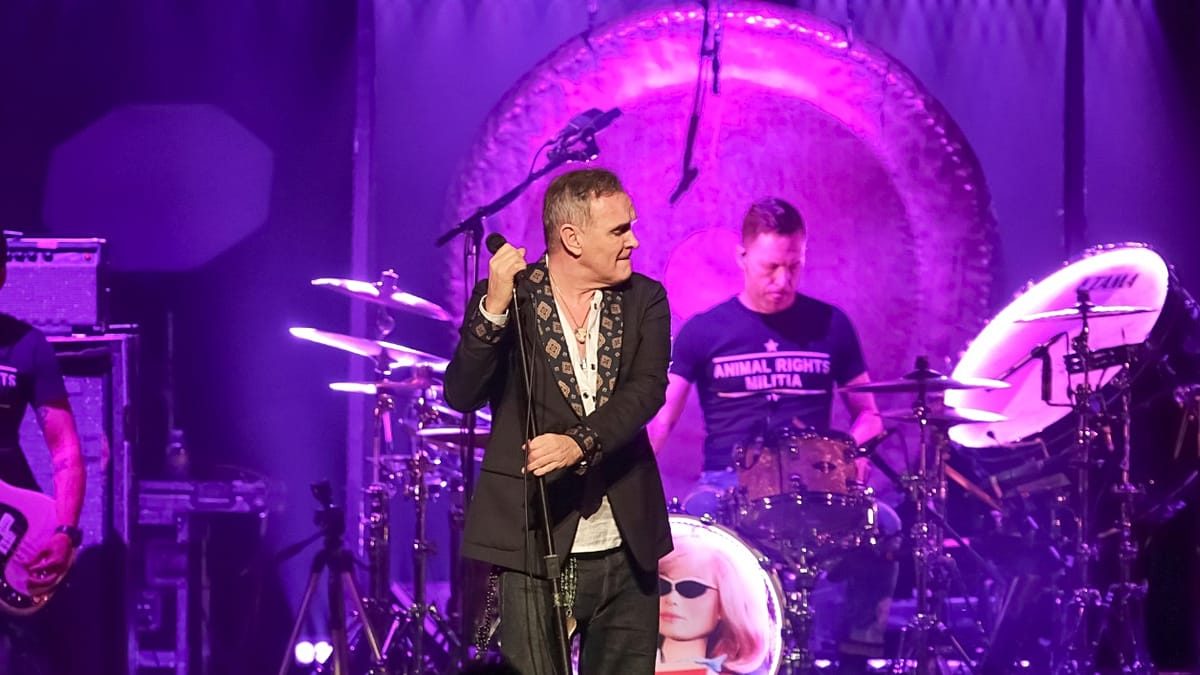
Rather than replicating a proven commercial formula, the artist chose to pivot, warning that making another dance-leaning record would have been emotionally difficult. During a secret London showcase for the new material, she performed with a three-piece band in a less physically demanding setup, suggesting a shift in how she will manage future live revenues and touring logistics.
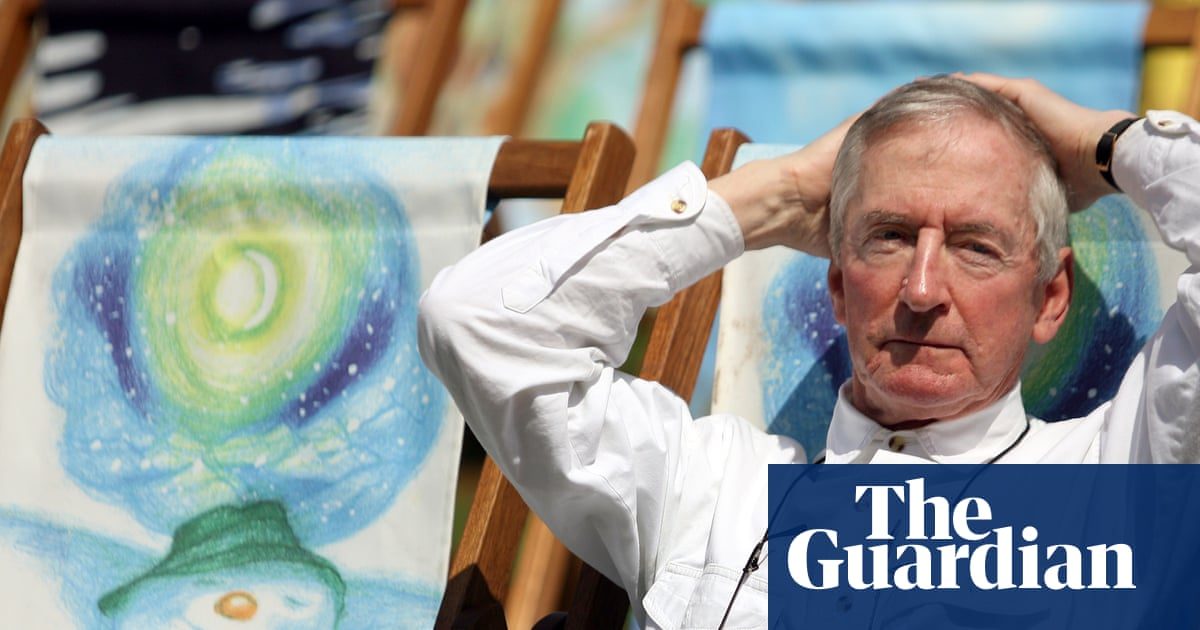
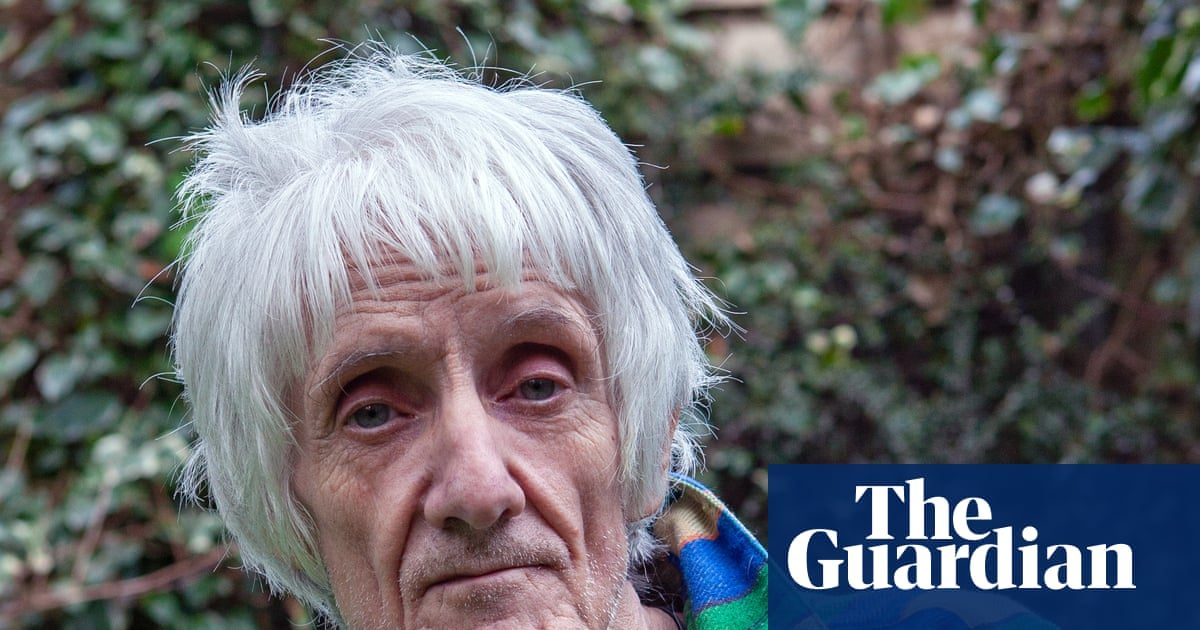
The album also underscores the modern pop star's reliance on cross-sector brand extensions to maintain cultural relevance. The cover art eschews a traditional portrait for a black-and-white photograph of musician John Cale, fashion designer Marc Jacobs, and film director Martin Scorsese. Shot in New York in April by filmmaker Aidan Zamiri, the image aligns the musician with established excellence in adjacent cultural industries.
Lyrically, the record examines the pressures of the digital attention economy and celebrity branding. On the single SS26, she critiques the expectation for public figures to navigate every cultural conversation correctly, noting the pressure to utilize her part-Indian heritage as a unique selling proposition. Another track, I'm Afraid, details the anxiety surrounding her recent engagement to long-term partner George Daniel.
Despite a track titled Rock Music featuring the lyric "I think the dancefloor is dead," the album is not a pure rock reinvention. The artist clarified on Instagram and to music YouTuber Nicky Reardon that she has not abandoned the electronic-leaning music that shaped her career, but is simply avoiding artistic repetition. This sparked public pushback from figures like Courtney Love and Madonna, who challenged the notion that dance music is obsolete.
The project closes with an audio excerpt from Canadian director David Cronenberg, reflecting on the legacy of art and the freedom found in eventual obscurity. His assertion that "oblivion is freedom" provides a thematic counterweight to the relentless commercial pressures of the modern pop industry, offering a blueprint for long-term artistic survival.