Bayreuth Festival scales back 150th anniversary program amid security controversy
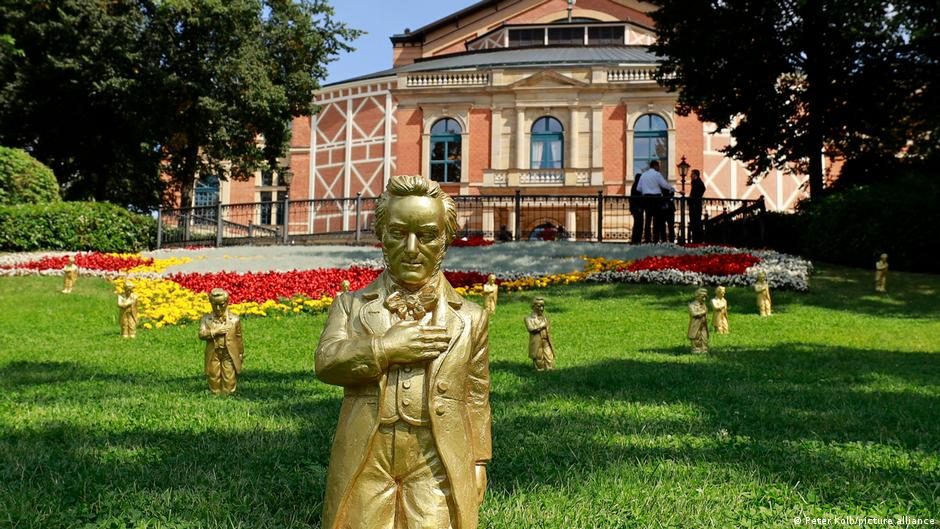
Germany’s premier opera event has abandoned its ambitious 150th-anniversary repertoire due to financial constraints while navigating a public controversy over the security of a prominent Jewish speaker, reflecting the broader challenges facing European cultural institutions.
The Bayreuth Festival opens on July 25 to mark its 150th anniversary, but the milestone is defined by a scaled-back program and a last-minute security dispute. Organizers abandoned a financially unfeasible plan to stage all 13 of Richard Wagner’s finished operas, opting instead for a selective anniversary repertoire.
The revised lineup features a new production of "Rienzi" and an artificial intelligence-driven staging of "The Ring of the Nibelung." The opening ceremony will include Ludwig van Beethoven’s Symphony No. 9, echoing the composer's own performance at the theater's foundation stone laying in 1872. Chancellor Friedrich Merz and former Chancellor Angela Merkel are among the distinguished guests attending the event, which runs until August 26.
The festival's public profile has been complicated by the initial exclusion of Michel Friedman, a Jewish journalist and former president of the European Jewish Congress. Organizers asked Friedman to postpone his speech at the "Silenced Voices" memorial event, citing insufficient security measures.
Following an official apology, festival management re-invited Friedman to speak on antisemitism and the institution's historical responsibilities. The memorial event will now proceed with works by Jewish composers Gustav Mahler and Pavel Haas, alongside Wagner’s "Siegfried Idyll." Katharina Wagner, the festival director, publicly welcomed the journalist's attendance.
The decision to premiere "Rienzi" introduces its own public debate, as the work was a known favorite of Adolf Hitler. Sven Friedrich, director of the Richard Wagner Museum, explained that "what Hitler appreciated about 'Rienzi' was, of course, the figure of the self-made man who rises to become the sole ruler through his charisma."
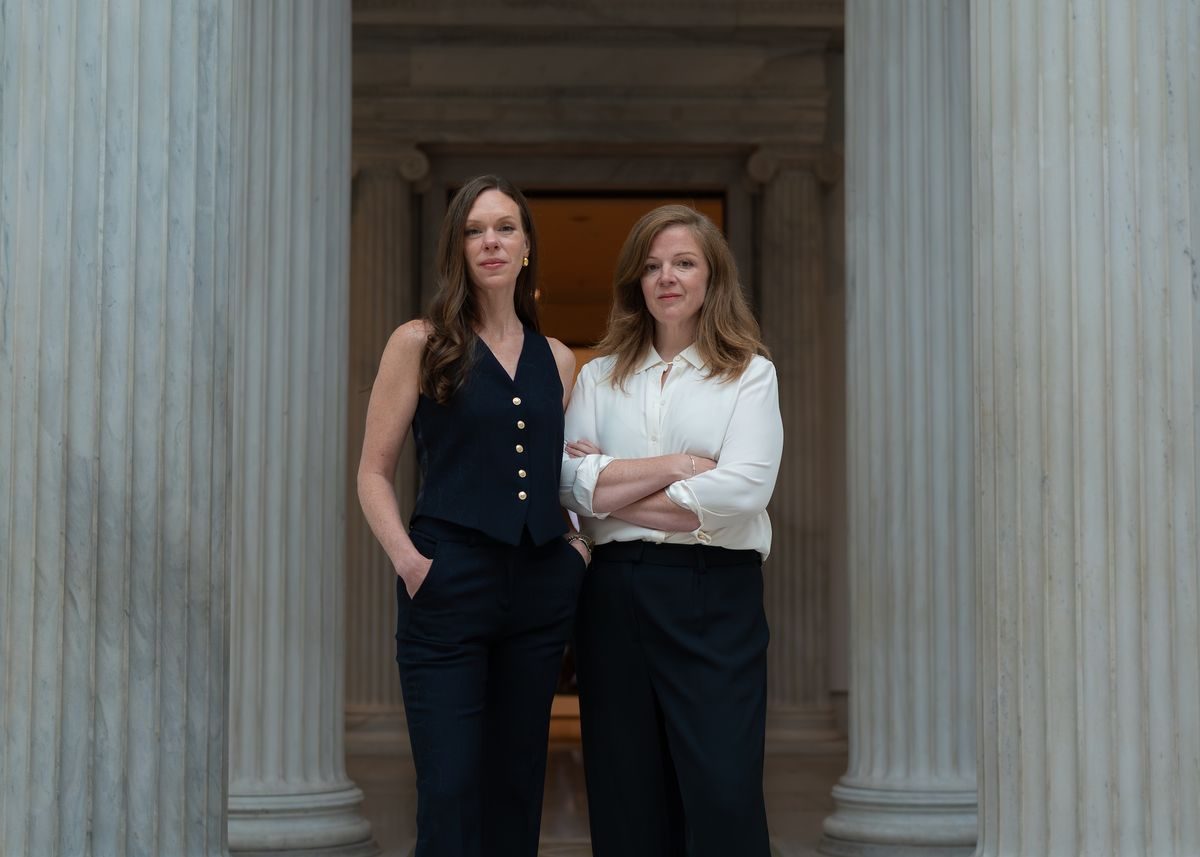
Directors Alexandra Szemeredy and Magdolna Parditka are using the production to examine modern political shifts. They stated their focus is on "exploring the boundaries of how a state can gradually evolve from populism into an authoritarian regime" rather than solely depicting a specific historical dictatorship.
Technological innovation defines the anniversary staging of "The Ring of the Nibelung," a 16-hour cycle exploring power and greed. Curator Marcus Lobbes explained that "we'll be working with image layers partly generated in real-time, creating holographic 3-D spaces" using archival footage from 1876 to 2024.
The integration of artificial intelligence aims to generate a vast visual cosmos, though creators admit the final output remains unpredictable. Ultimately, the 150th edition demonstrates how Europe's legacy cultural institutions must balance artistic innovation with strict financial realities and their enduring civic duties.