US cuts Utah monuments, opening lands to critical mineral mining
The US administration has stripped protections from 91% of Bears Ears and 90% of Grand Staircase-Escalante national monuments, opening the Utah lands to mining for critical minerals like uranium and copper as Washington pushes for resource independence.
The Trump administration has reduced Bears Ears National Monument by 91% and Grand Staircase-Escalante National Monument by over 90%, reversing prior conservation designations and reclassifying vast tracts of Utah desert as standard federal land. The July 13 proclamation exceeds the administration's 2017 boundary cuts, which were later restored by the Biden administration.
The primary economic driver behind the reduction is resource extraction. The White House explicitly stated that the boundary revisions aim to reduce reliance on foreign sources of critical minerals. The newly opened lands hold deposits of uranium, copper, silver, molybdenum, lead, vanadium, and zinc, materials central to global energy transition and defense supply chains.
The regulatory shift removes strict conservation controls, exposing the landscape to new oil, gas, and mining leases. Mapping by the Outdoor Alliance and Access Fund indicates that dozens of previously protected sites overlap with proposed fossil fuel leases. "It’s not going to happen tomorrow," said Erik Murdock of the Access Fund, "but over time you could see more trucks, more dust, more drilling, more traffic."
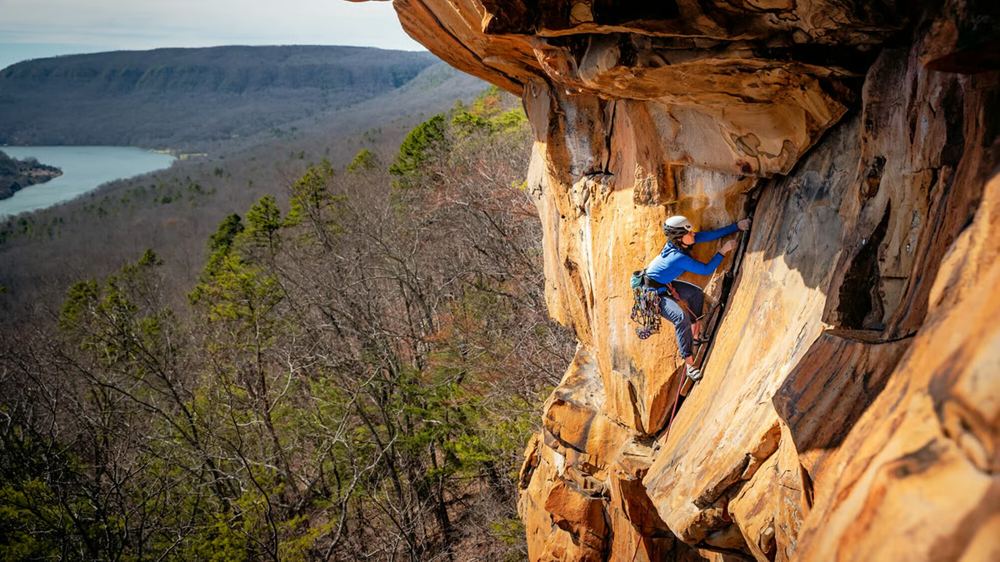
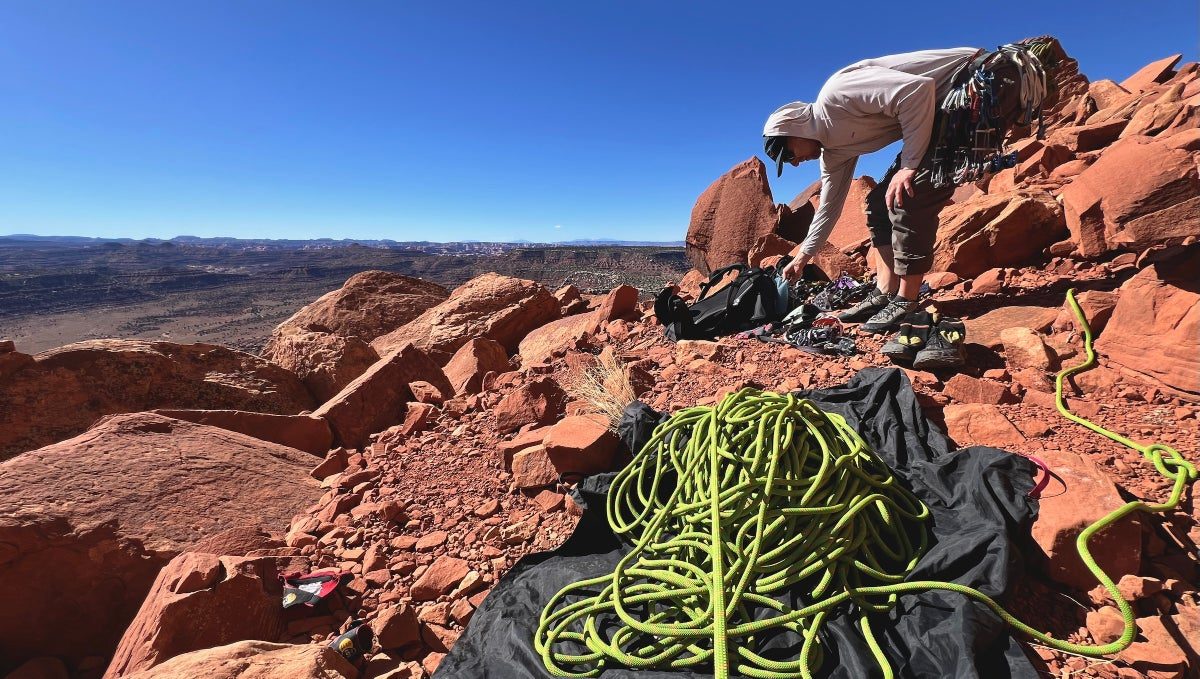
The physical footprint of this policy is being measured by outdoor recreation groups, who track land-use changes as indicators of broader industrial access. An estimated 1,200 climbing routes in the Indian Creek area, representing 80% of the routes within the former Biden-era boundaries, have lost their national monument status. Iconic rock formations, including the North and South Six Shooters, now sit on land managed by the Bureau of Land Management rather than under a conservation mandate.
Simultaneously, the administration disbanded the Bears Ears Commission, a first-of-its-kind co-management body between the federal government and five Indigenous tribes. Dr. Angelo Baca, a member of the Diné and Hopi Tribes, noted there was no consultation regarding the removal of tribal authority. For commodities markets and international investors, the move signals a definitive US pivot toward domestic resource development at the expense of environmental and cultural land protections.