Europe on track for worst wildfire season as burned area reaches size of Luxembourg
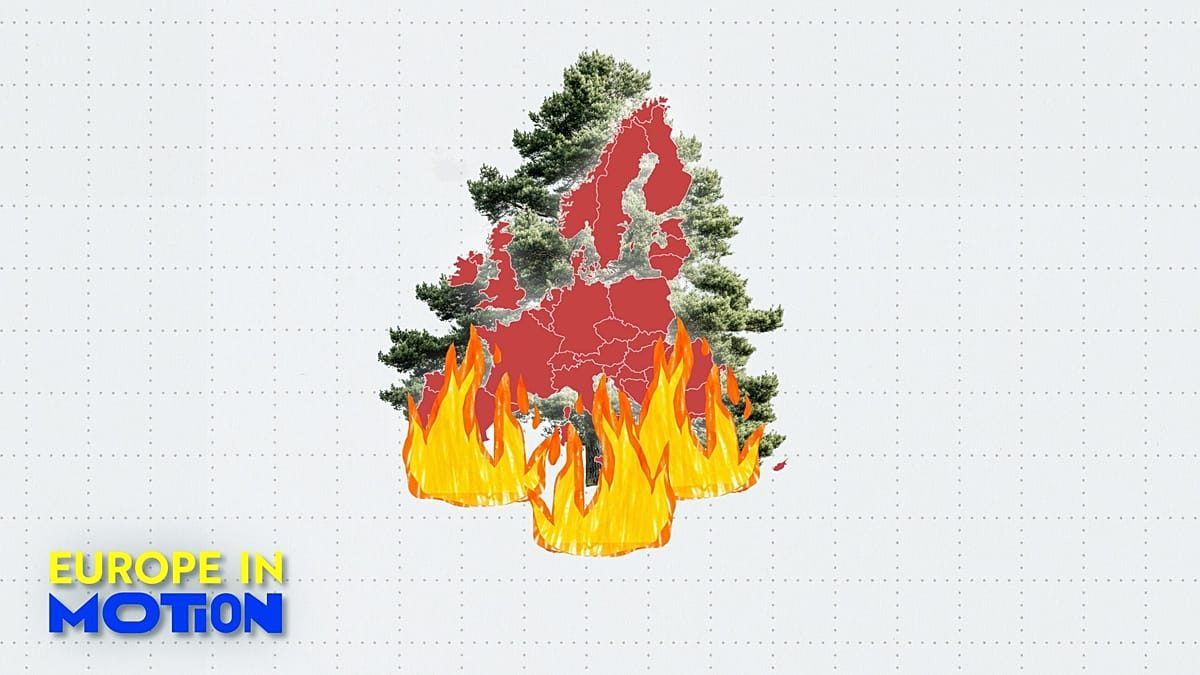
The European Union is heading toward its most destructive wildfire year on record, threatening regional economies, displacing hundreds of thousands, and increasing carbon emissions amid worsening drought conditions.
The European Union is on track to experience its worst wildfire season on record, with more than 250,000 hectares already burned across the bloc. This devastated area is roughly equivalent to the entire landmass of Luxembourg, according to European Commission figures.
The EU’s Forest Fire Information System reports approximately 1,200 fires in 2026, more than double the annual average of 569. With much of the summer still remaining, the total burned area is poised to surpass the previous record of over 270,000 hectares set in 2025.
Spain has been the hardest hit within the EU, losing more than 200,000 hectares, representing about 0.4 percent of its total territory. Prime Minister Pedro Sánchez warned of "difficult hours ahead" following the evacuation of over 90,000 people from areas surrounding Madrid and Ávila on Sunday.
Neighbouring Portugal recorded the bloc’s second-highest proportion of burned land at 0.3 percent. On Monday, maximum fire risk alerts were issued across its northern, central, and southern Faro districts.
France has also endured severe disruptions, evacuating around 260,000 people, with the southwestern department of Gironde sustaining the heaviest damage. Outside the EU, nations such as Ukraine and Montenegro have reported even higher rates of land destruction relative to their size.
Mounting economic and environmental toll
The escalating crisis carries profound implications for European economies and climate targets. The Copernicus Earth observation programme estimates these fires have already spread more than 8 tonnes of CO₂ across the EU. For context, an average citizen emits around 5.55 tonnes over a whole year.
Market and agricultural stability face immediate threats as meteorological conditions deteriorate. Copernicus forecasts below-average rainfall for the coming week, with the most severe deficits stretching from France through the Alps and into the Balkans.
Conversely, above-average rainfall is expected across Scandinavia and northern Europe. However, this offers little relief to the south, where the compounding costs of emergency response, lost agricultural output, and long-term environmental remediation will likely strain public budgets across the affected member states.