Record French forest fires leave Landes businesses bracing for economic ruin
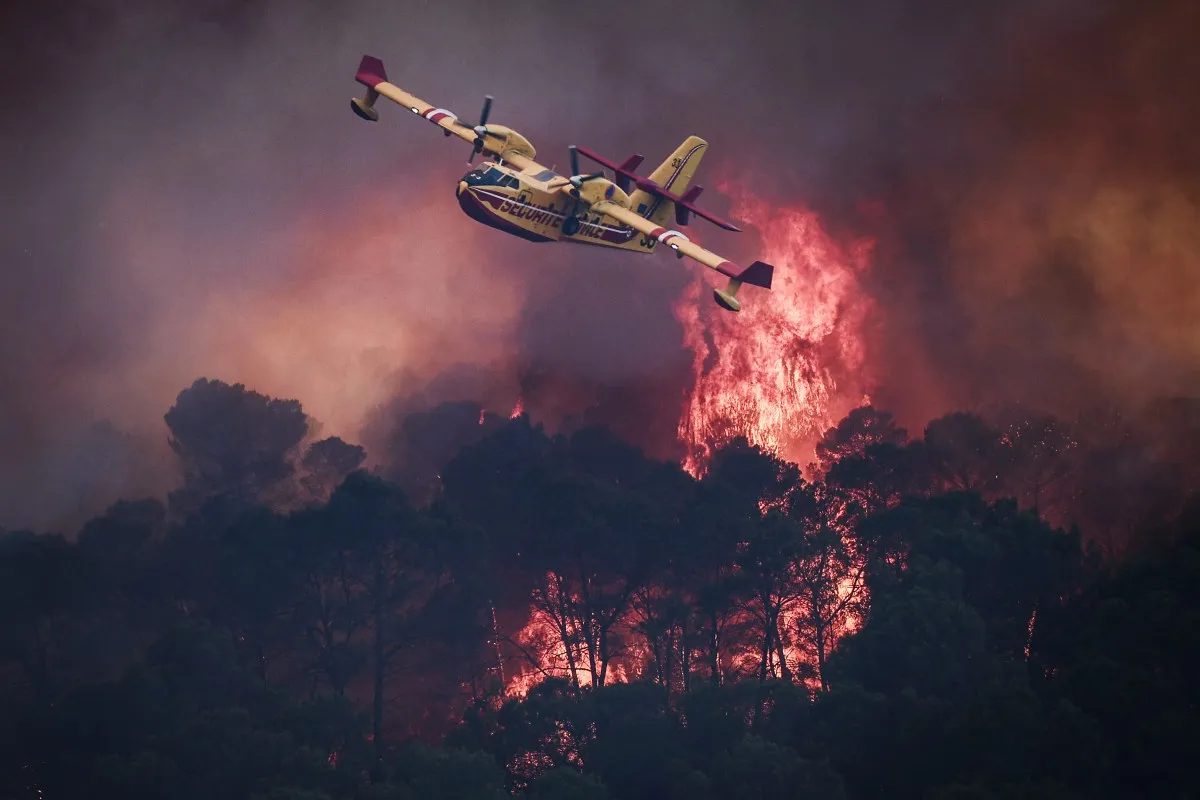
As residents return to the scorched French village of Biscarrosse, local businesses face devastating losses and a collapsed summer tourism season amid a record-breaking national fire year.
Residents have begun returning to Biscarrosse in the Landes region after firefighters brought a 3,700-hectare pine forest fire under control. However, authorities and locals warn that an approaching heatwave and smouldering peat could easily reignite the blazes weeks or months later.
The temporary reprieve has allowed some shops to reopen, but the economic damage to the community is already severe. Baker Celina Serveau noted that the past three days felt like being at war, even as she stood next to fresh loaves of bread welcoming customers back.
For other enterprises, the destruction is absolute. Hardware store owner Francois Maubourguet surveyed his flattened warehouses, stating that there was nothing to salvage. He noted that everything melted and his business will have to restart entirely from scratch.
This local devastation reflects a wider economic threat to France’s vital summer tourism sector. Biscarrosse’s population of 15,000 normally doubles during the holidays, but winemaker Geraldine Lefebvre-Lopez observes that the coastal areas, usually swarming with tourists, are now nearly empty.
Restaurant owner Marion Bidondo, who initially cooked mussels and French fries for those displaced by the flames, emphasized that local enterprises cannot survive this disruption alone. She stressed that "the state will need to think about businesses to help us once the situation has calmed down."
The crisis in the Landes is compounded by a larger, still-raging fire in the Gironde region near Bordeaux, just a two-hour drive away. Nationally, repeated heatwaves linked to man-made climate change have fueled a historic and costly fire season.
According to the European Forest Fire Information System, forest fires have burned 92,000 hectares of land across France this year. This represents the largest area destroyed in any single year over the past two decades, signaling a persistent, structural risk to the country's rural economies and insurance markets.