Fifa’s £7.5bn World Cup sale faces Uefa boycott threat
Fifa’s plan to sell a stake in the World Cup for over £7.5bn has triggered fierce European opposition and a potential boycott, threatening the sport's non-profit financial model.
Fifa is seeking private investment in excess of £7.5bn for the World Cup and its other competitions. The governing body stated the capital would be used to "expand football development funding", marking a fundamental shift towards a profit-oriented corporate structure for the world's most-watched sporting events.
The proposal has drawn immediate and severe criticism from within the game's hierarchy. Uefa, the FA, and Concacaf have all strongly opposed the sale. In response, Uefa’s 55 member nations are convening an emergency meeting, with a potential boycott of the World Cup now on the table.
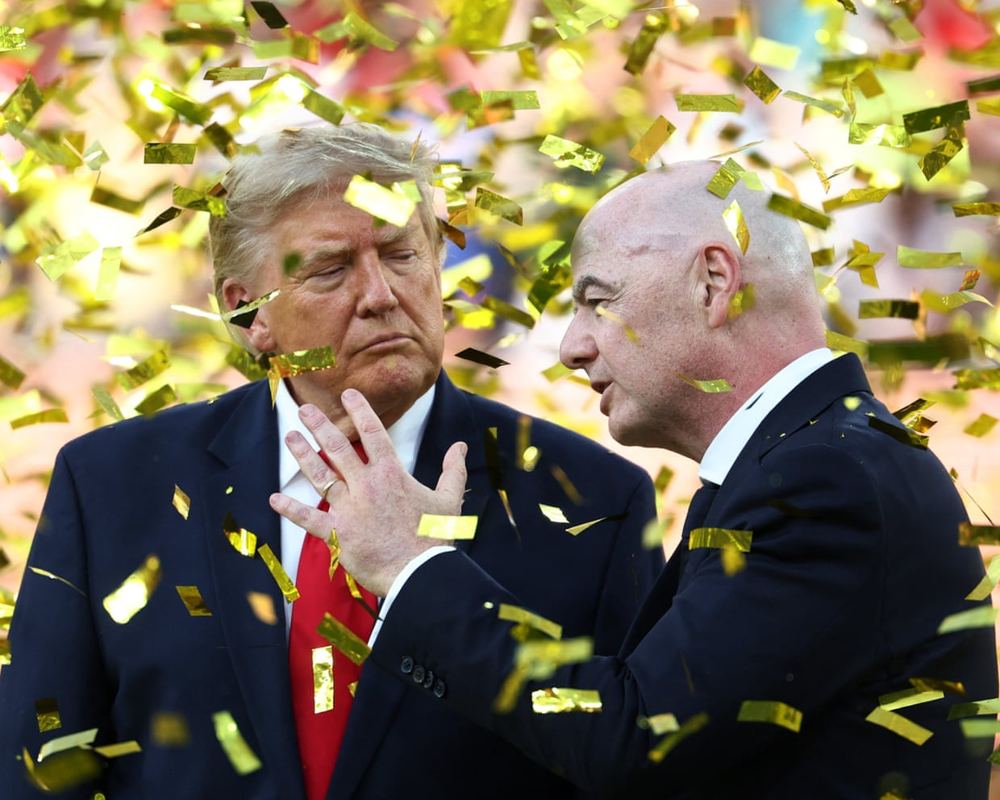
When elected in February 2016, Gianni Infantino earned praise from FA director David Gill, who called it "a good day for football," and American executive Sunil Gulati, who deemed it "a good day for the sport." Infantino promised to restore a disgraced organization and address a $550m financial black hole, stating: "The money of Fifa has to be used to develop football. It’s your money, not the money of the Fifa president."
The shift has drawn rare criticism from his predecessor. “Football belongs to no individual and to no institution. It belongs to the people," said former Fifa president Sepp Blatter. "If Fifa were transferred into a profit-oriented corporate structure, it would lose its soul.”
For European football, the commercial stakes extend far beyond the pitch. Uefa and its wealthy domestic leagues operate a deeply entrenched financial ecosystem built around the sport's traditional structure. A privatised World Cup could introduce external investors with competing financial imperatives, disrupting established revenue flows and threatening the regulatory authority of Europe's governing bodies.
Securing private capital at this scale would fundamentally alter the governance of global football. It would shift the World Cup from a flagship event controlled by national federations into an asset managed by private equity interests. European stakeholders fear this commercialisation could eventually dictate international match calendars, directly clashing with the domestic European season that drives the sport's core revenues.