US approves first AI data center on federal land to accelerate tech buildout
The US government has approved the first artificial intelligence data center on federal public land, signaling an aggressive regulatory shift to fast-track compute infrastructure for global tech investors despite severe regional droughts.
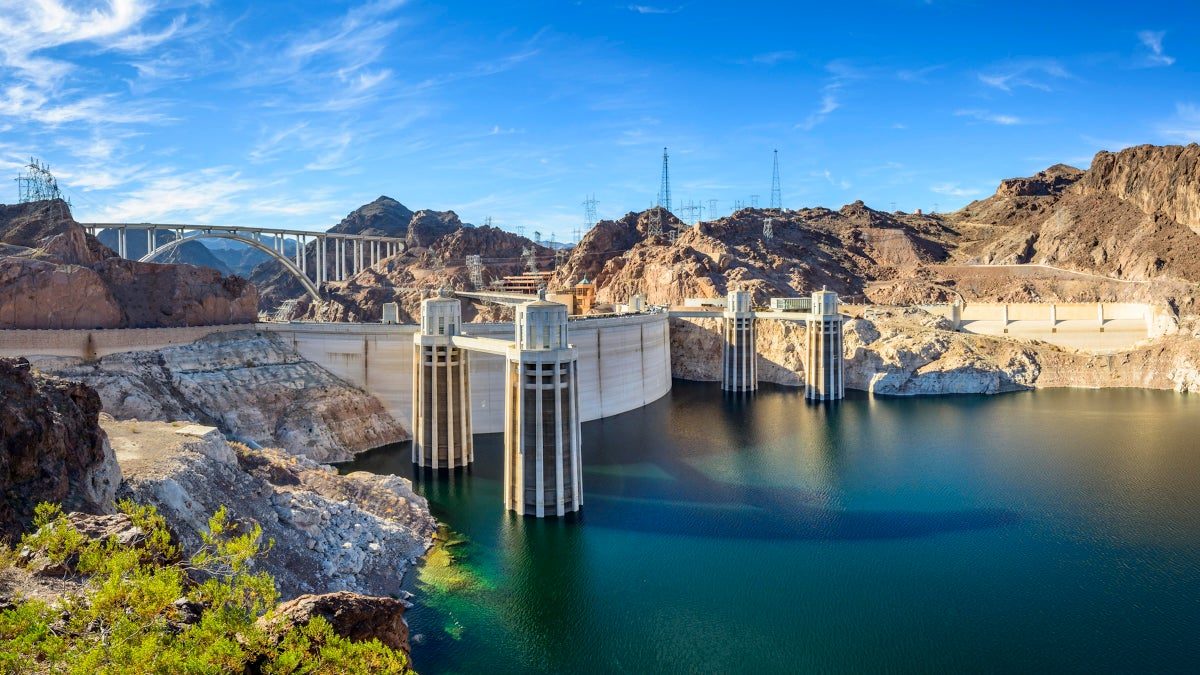
The US Bureau of Land Management approved an 86-acre AI data center on public land near Lake Mead, Nevada, on June 26. Developer Townsite Solar 2 secured the green light for the facility, marking the first time the federal government has authorized such infrastructure on its territory.
For global technology investors and hardware suppliers, the decision highlights a major regulatory pivot in the United States. The approval aligns with a 2025 Trump executive order directing federal agencies to expedite data center permitting, effectively prioritizing artificial intelligence capacity over traditional environmental constraints.
This regulatory acceleration could unlock vast tracts of land for Big Tech expansion. U.S. House Representative Dina Titus highlighted the broader market implications of the ruling, stating: “How this project is handled will have immense consequences for projects in Nevada, where approximately 88 percent of our state is public land, and the rest of the West.”
Federal authorities frame the move as essential for maintaining economic competitiveness. A Bureau of Land Management spokesperson stated the project “reflects the growing role of public lands in supporting the infrastructure needed to power innovation, advanced technology, and the nation’s future economic growth.”
The approval followed a controversial pivot by the developer that has spooked local planners. Townsite Solar 2 initially secured approvals for a solar and battery storage facility between 2022 and 2023, but altered the application in late 2025 to request an AI data center instead.
This strategic shift has triggered significant legal risks that could delay construction and impact project financing. The Sierra Club, the Center for Biological Diversity, and local residents filed an appeal on July 27, arguing the agency relied on assessments from a previously proposed solar facility instead of conducting a new review.
Resource scarcity remains a critical operational risk for data center developers globally, and this project highlights those vulnerabilities. The facility is planned for a region where more than 95 percent of the Colorado River Basin watershed is experiencing drought and Lake Mead is at historic lows.
Project documents indicate the site will use an air-cooling system relying primarily on reclaimed municipal water. However, opponents point to a provision allowing the facility to draw from other commercial sources within 50 miles if reclaimed water becomes unavailable.
Conservation groups argue this threatens fragile ecosystems and local utility grids while enriching technology corporations. Olivia Tanager, director of the Sierra Club’s Toiyabe Chapter, stated: “The precedent that this bait and switch sets, locking the public out of public land to enrich Big Tech, sets a horrible precedent for all forthcoming projects.”
The project's future now depends on the Department of the Interior, which oversees the land agency. Officials indicate the appeal process could take up to two years, leaving the timeline for this landmark compute facility in limbo.