Premium electric kayaks introduce cruise control to the recreational watercraft market
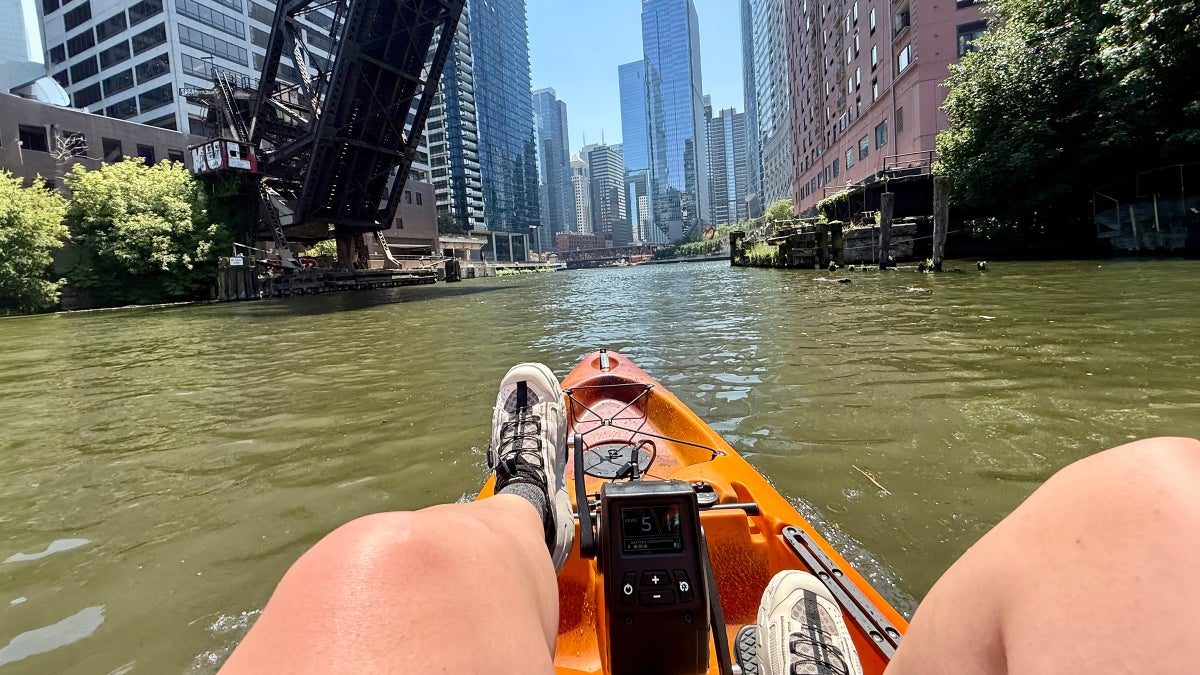
The launch of battery-powered kayaks featuring pedal assist and cruise control highlights the premiumization of outdoor leisure, as manufacturers push high-priced electrified watercraft to consumers seeking automotive-style convenience.
Manufacturers are introducing automotive-style technology into the recreational marine sector, headlined by the Old Town Malibu ePDL+ 120. This battery-powered watercraft features a pedal-drive motor with five levels of power assist and a cruise control function, allowing it to reach speeds of five miles per hour without continuous physical exertion.
Priced at $5,500, the vessel represents a significant premium over traditional human-powered alternatives. It is equipped with a 20Ah 36V lithium battery that manufacturers claim can last up to 46 hours on the lowest assist setting, or at least three hours at maximum output without pedaling. The system also boasts a substantial weight capacity, supporting up to 223 pounds of combined paddler and gear.
Field tests on urban waterways demonstrate the efficiency gains of this electrification. An eight-mile river journey that typically requires six hours of manual paddling was completed in just two hours using the electric pedal-assist system, drastically altering the time economics of long-distance recreational boating.
However, the shift toward electrified leisure craft introduces substantial logistical hurdles for the average consumer. The Malibu model weighs 126 pounds fully assembled, with the pedal drive console alone accounting for 31 pounds, making standard roof-rack transport unfeasible. Buyers must therefore factor in the hidden costs of off-site storage and vehicle transport alongside the initial retail price.
This premium segment leaves ample room for competitors targeting different consumer demographics and price points. Traditional non-electric pedal kayaks, such as the Hobie Mirage Passport 10.5 R, offer hands-free propulsion at roughly a third of the cost while reducing the vessel weight to 75 pounds.
Meanwhile, the urban leisure market is being serviced by ultra-portable alternatives that bypass the need for garages or vehicle storage. Foldable models like the Oru Kayak Lake Sport utilize double-layer polypropylene to pack down to the size of standard luggage, catering to city dwellers who rely on public transit. These origami-style designs prioritize spatial efficiency over raw performance and are engineered specifically for calm inland waters.
The divergence in these product lines illustrates a bifurcated outdoor equipment market. While affluent consumers are willing to pay a steep premium for battery-assisted convenience, manufacturers must continue supplying affordable, lightweight alternatives to capture the broader recreational demographic.