Thomas Bangalter rejects AI, highlighting cultural industry tensions
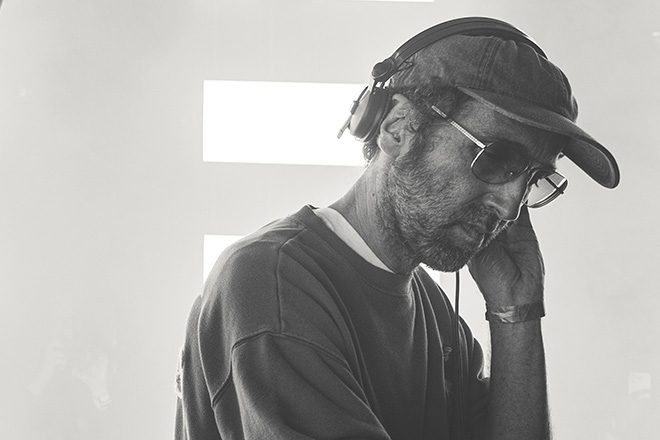
The former Daft Punk musician’s refusal to use artificial intelligence at Art Basel underscores a growing divide in Europe’s creative economy between automated tools and human-led artistic value.
Thomas Bangalter, the French musician best known as one half of the electronic duo Daft Punk, has publicly rejected the use of artificial intelligence in his work. Speaking in June at the Art Basel fair in Switzerland, he stated he is not interested in the technology, signaling a firm boundary as automation reshapes the cultural sector.
The comments were made during an interview with Yana Peel, the president of arts, culture and heritage at Chanel. The conversation was later published on the luxury brand's YouTube channel on July 29, reaching a wide audience of cultural and business leaders.
Bangalter emphasized the emotional core of his work, stating clearly that he avoids the creative usage of artificial intelligence. "The most interesting part of the creative process is happening not at all on an intellectual level," he said. He added that true creativity involves "actually going through a process which is about understanding your feelings," a distinctly human trait that algorithms cannot replicate.
For Europe’s creative economy, such high-profile pushback carries significant market and legal implications. The cultural sector is already navigating complex intellectual property disputes, highlighted recently when the AI music generator Suno lost a copyright infringement court battle. As generative tools disrupt traditional production models, top-tier talent is increasingly positioning human authorship as a premium market differentiator.
This shift could force cultural institutions, luxury brands, and event organizers to rethink how they commission, fund, and value artistic work. Bangalter is not alone in his skepticism of the technology's impact on the industry's economic foundation. In 2025, synth-pop musician Gary Numan warned that the technology will "ultimately end mankind" and render musicians "replaceable as a fucking cotton bud".
These warnings reflect a broader anxiety across the European cultural sector regarding the long-term economic viability of human creators. Demonstrating his commitment to analogue methods, Bangalter recently performed at a no-phones party hosted by the events platform art.klub. Playing at the Messe Basel exhibition centre, he used a custom modular set-up featuring drum machines and analogue synths rather than digital automation.
The performance underscores a growing market niche for authentic, unmediated live experiences in the nightlife and events sector. For investors and companies in the European entertainment economy, backing human-centric, technology-resistant art may become a strategic way to capture audiences. It suggests that the future of the cultural market may rely on a clear bifurcation between automated utility and premium human expression.