Former High Museum of Art executive sentenced to 12 months in prison for embezzlement
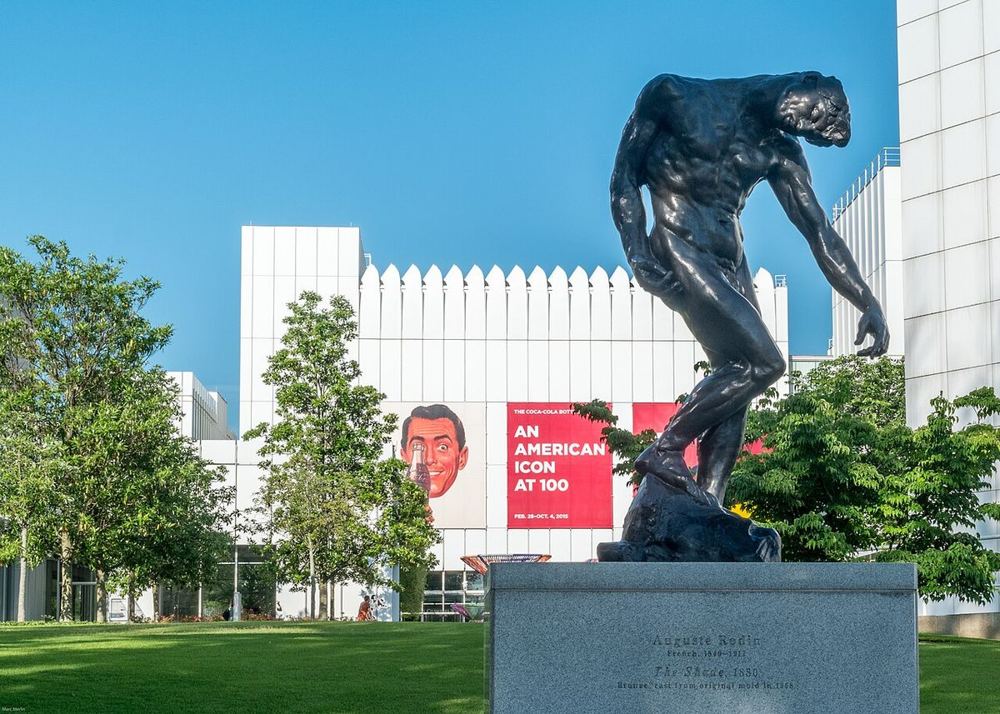
Brady Lum, the chief operating officer for almost seven years, stole more than $600,000 from the Atlanta institution
Brady Lum, a former chief operating officer at Atlanta's High Museum of Art, was sentenced to 12 months in federal prison on Monday (2 November) for embezzling more than $600,000 from the institution. The sentencing comes as the High celebrates its centennial and its parent organisation, the Woodruff Arts Center, conducts a major corporate fundraising campaign.
Federal prosecutors said Lum diverted museum funds to pay for personal purchases, including guitars, music lessons and woodworking equipment. He concealed the expenditures through falsified invoices, reimbursement requests and accounting adjustments. The scheme began in September 2019, less than nine months after Lum joined the museum, and continued until its discovery in November 2025.
Lum paid full restitution of $607,688.18 to the High and voluntarily paid approximately $500,000 more to cover costs the museum incurred while uncovering and investigating his criminal activity.
During Monday's hearing, US District judge Michael L. Brown focused extensively on the deterrent purpose of sentencing. Although Brown said he did not believe Lum was likely to reoffend, he emphasised the court's responsibility to discourage similar financial crimes by others in positions of trust.
The judge acknowledged similarities between his own professional and socioeconomic background and Lum's, discussing how sentencing structures have historically been shaped by educated, professionally successful individuals whose circumstances resemble those of many white-collar defendants.
Brown also considered Lum's prompt restitution after the misconduct was discovered, distinguishing between voluntarily returning stolen funds before detection and repaying them after being caught. The latter, he indicated, carried less weight in assessing accountability.
Lum addressed the court and apologised for his conduct, expressing regret for disappointing his family and community. The gallery appeared to consist largely of relatives, friends and supporters of Lum.
Contacted for comment following Monday's sentencing, a spokesperson for the Woodruff provided the following statement: "We respect the court’s decision and remain focused on fulfilling our mission, responsibly managing our resources and connecting deeply with the audience we serve."
Both the Woodruff and the High declined to provide substantive information about financial safeguards introduced following Lum's misconduct, or whether they intend to publish a remediation plan addressing financial controls, governance reforms and oversight procedures.