Trump demands NATO overhaul as Europe faces 5% GDP defence bill
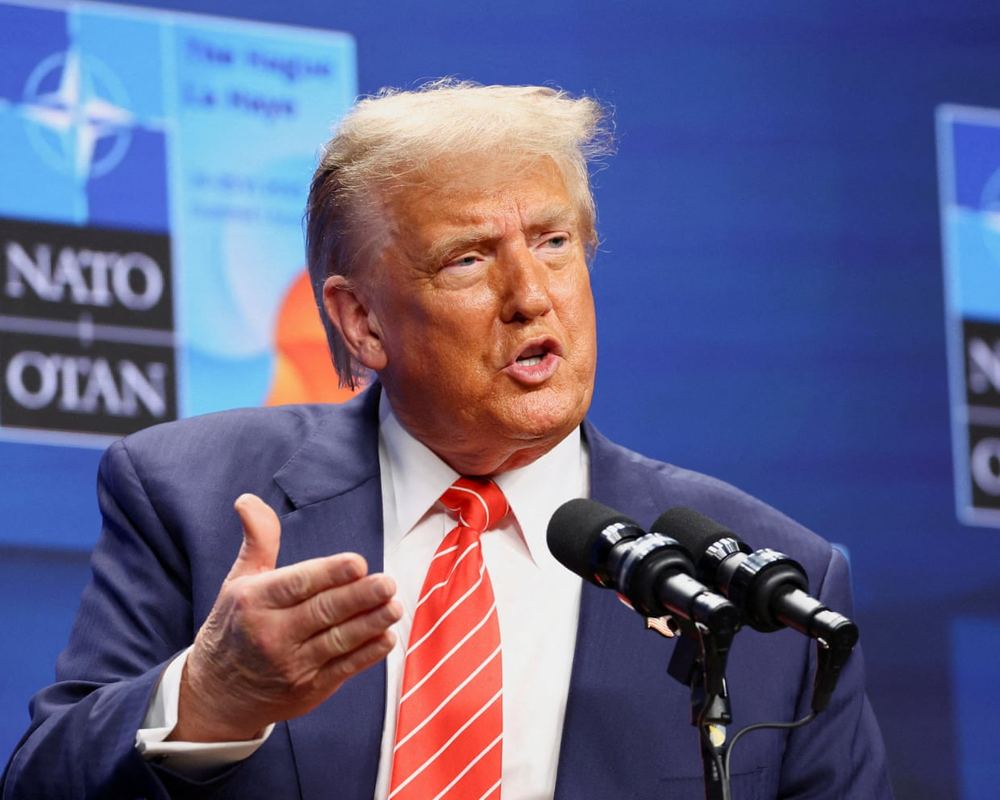
Donald Trump has renewed his attack on NATO's "one-sided" funding days before a critical summit in Ankara, raising the stakes for European governments now facing a binding pledge to raise defence spending to 5% of GDP.
Donald Trump has called the current US commitment to NATO "ridiculous" and "not reciprocal", setting a confrontational tone days before the alliance’s 32 member states gather in Ankara on 7 and 8 July.
The US president’s latest criticism, posted on his Truth Social platform alongside a chart showing American defence spending vastly outstripping European allies like the UK and France, centres on the war in Iran. Several European countries have restricted the use of their bases for American forces, prompting Secretary of State Marco Rubio to note Trump’s "disappointment" at allies refusing to join US operations in the Middle East.
For European finance ministries, this diplomatic friction translates directly into a looming fiscal shock. Under pressure from Trump, NATO leaders agreed at a gathering last year to boost defence-related spending to 5% of GDP by 2035. This represents a massive structural shift in how European governments allocate public resources.
Reaching that target will require a substantial restructuring of national budgets across the continent at a time when many governments are already grappling with tight fiscal constraints and sluggish growth. European capitals will have to navigate difficult domestic political choices over whether to raise taxes, cut civil expenditure, or increase borrowing to fund the military buildup.
The European defence industry, meanwhile, faces the prospect of a surge in demand that will severely test current manufacturing capacity and supply chains. If Washington scales back its security commitments as Trump intends, European contractors will be forced to fill the gap in hardware and technology without the historical safety net of American military logistics.
Rubio, who met with the alliance’s foreign ministers in May, indicated the coming summit will force a reckoning. He predicted it would be "one of the more important" in NATO’s 77-year history. "The president’s views, frankly, disappointment, at some of our Nato allies and their response to our operations in the Middle East, they are well documented," Rubio said. "That will have to be addressed."
The dispute marks a stark departure for a US-led defence force founded in 1949 to maintain stability in Europe and keep the Soviet Union at bay. As the Ankara summit approaches, Trump’s insistence that Europe take the lead role for its own defence is no longer just a political aspiration. It is a binding economic reality. "They were not there for us!!!" Trump wrote.