Monaco bomb suspect identified as Ukrainian woman on the run
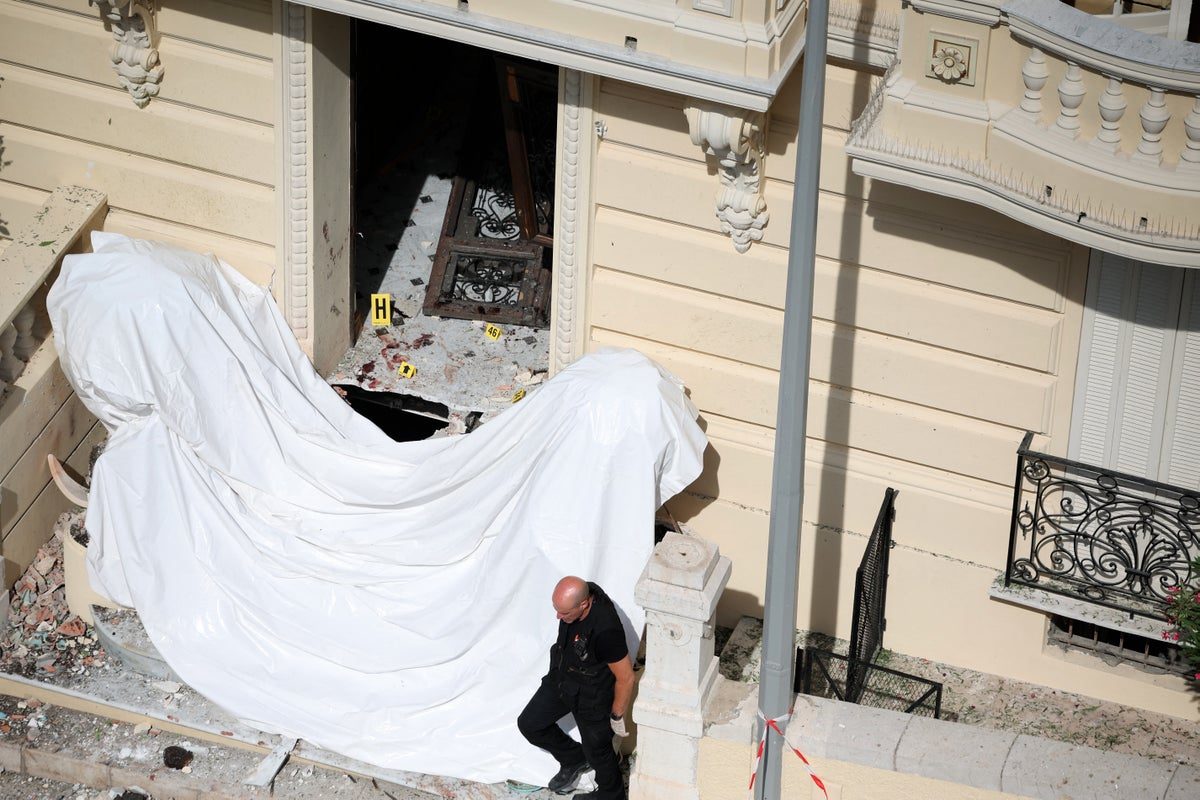
The attempted assassination of a sanctioned Ukrainian business tycoon in Monaco and the suspect's flight across Europe underscore the persistent security risks posed by post-Soviet corporate disputes spilling into EU borders.
A remote-controlled bomb wounded Ukrainian-born business tycoon Vadym Iermolaiev, a woman, and a teenager in a luxury Monaco building on Monday evening. Monaco prosecutors have since identified Anastasiia Berezovska, a 39-year-old Ukrainian woman, as the prime suspect and secured an Interpol Red Notice for her arrest.
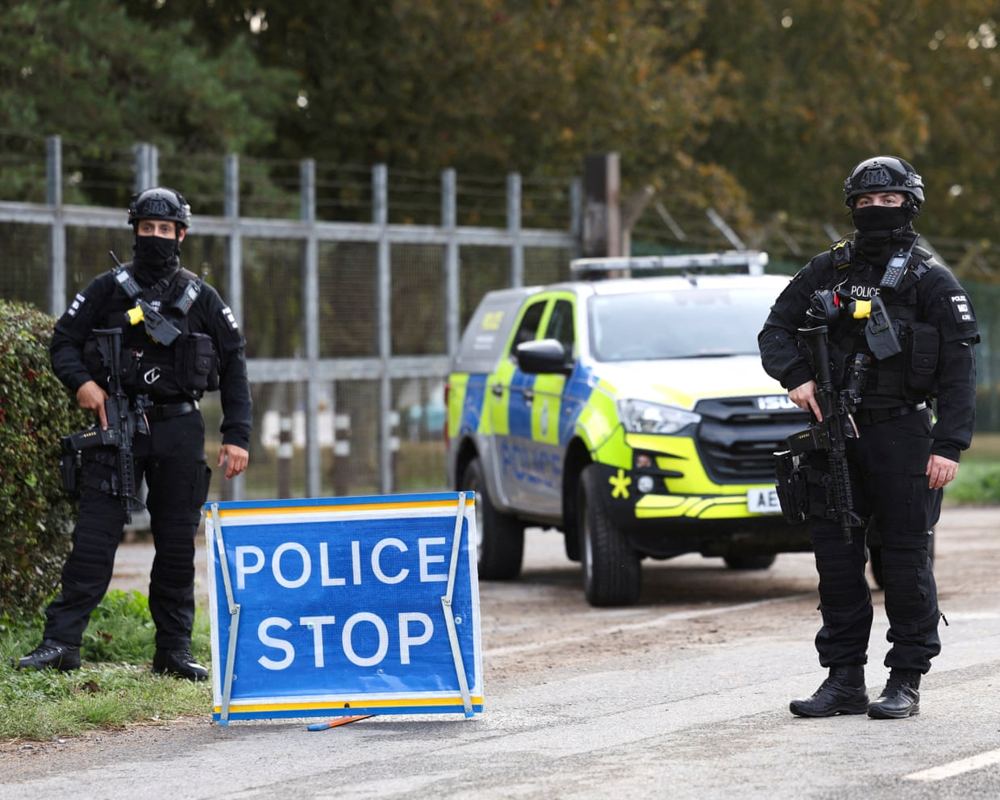
The explosive was concealed in a parcel left in the lobby of a building on Rue Révérend-Père-Louis-Frolla. Prosecutor Stephane Thibault said the suspect, captured on CCTV disguised as a man in a black bucket hat, triggered the device remotely as the family approached. The blast left the woman with both legs amputated and in critical condition, while Iermolaiev's life is no longer in danger and the 13-year-old escaped critical injuries.
The attack has triggered an international manhunt after the suspect fled towards the neighboring French town of Beausoleil. Authorities say Berezovska used a car with German licence plates to travel through Italy and several other European countries prior to the attack, with her last registered residence in Germany. Prosecutor Thibault stated the bombing was “not believed to be the work of only one person.”
A contested fortune
Iermolaiev, 58, is the chairman of Alef, a group encompassing 13 companies across agribusiness, real estate development, and construction materials. Once a regular on Focus magazine’s list of Ukraine’s top 100 richest people with a net worth in the hundreds of millions of US dollars, he renounced his Ukrainian citizenship in 2017 and became a Cypriot national.
His presence in Monaco comes despite being sanctioned by Kyiv. Ukraine’s SBU security agency accused him of trading alcohol in Russian-occupied Crimea and paying millions in taxes to the Russian treasury, allegations which led to his assets being frozen in Ukraine. Iermolaiev has fiercely denied these collaboration accusations.
For European authorities, the attack illustrates the practical limits of border security when targeted violence follows disputed wealth. While Monaco police and international judicial cooperation successfully identified the suspect within days, Berezovska's ability to move freely through multiple European countries prior to the attack raises fresh questions about the monitoring of individuals connected to sanctioned Eastern European capital.