UK horse owners seek cheap livery as inflation squeezes budgets
A 60% surge in demand for discounted horse boarding in the UK highlights how persistent inflation is eliminating discretionary spending and straining rural leisure economies.
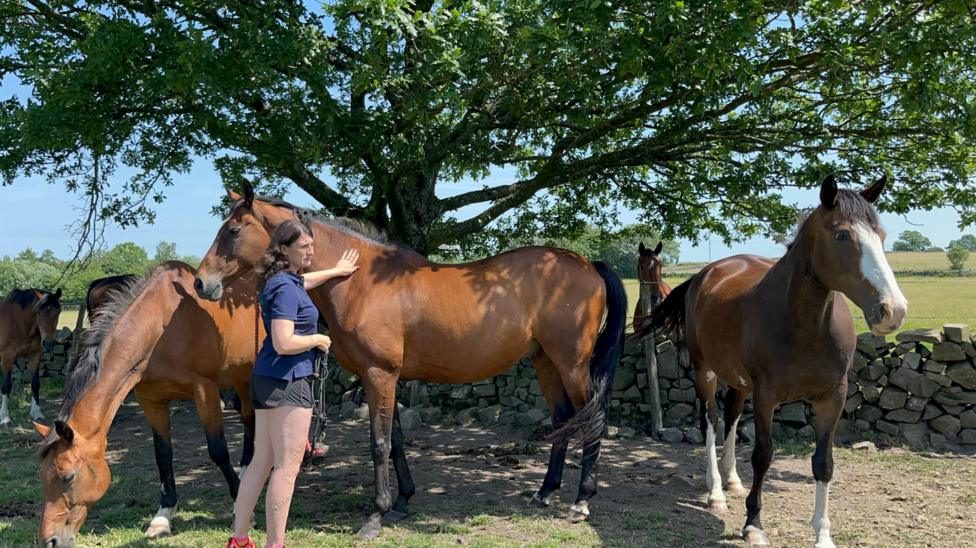
Bookings for affordable retirement livery have grown by 60% over the last five years at Padwick Farm in Staffordshire, as horse owners grapple with an "exponentially" rising cost of living. The farm, which cares for more than 70 horses, has deliberately capped its fees at less than half the standard market rate. This pricing strategy is a direct response to owners who can no longer afford typical boarding costs.
The trend underscores the severe pressure on British household budgets and the resulting contraction in the rural leisure economy. Once considered an accessible part of country life, keeping a horse has effectively become a "luxury" as agricultural inputs and specialized services experience rapid price inflation. The shift highlights how broader economic headwinds are eroding discretionary spending in communities far from major urban centers.
The underlying cost pressures driving this behavioural change are stark. A standard large bale of hay has jumped from £10 to £90 over the last three decades, representing an 800% increase. Furthermore, livery fees that remained largely static for two decades began climbing sharply two years ago. According to the charity Horse Trust, typical boarding fees in the current market now reach roughly £800 a month.
This financial strain is forcing difficult and often tragic choices across the country. A survey by the National Equine Welfare Council found that more than 80% of UK equine owners are worried about the sustained increase in keeping costs. Crucially, 5% of owners are actively considering euthanasia because they can no longer afford essential farrier and regular vet call-outs.
"We've experienced someone struggling to put food on the table for their children and they decided to put their horse to sleep," said Fiona Long, who co-owns Padwick Farm with her husband Ian. She noted that offering lower prices allows the animals to live out their years in a relaxed herd environment. "Horses aren't a hobby, they are a lifestyle," added staff member Jo Woods, emphasizing the emotional toll of the crisis.
With the British Horse Society estimating direct annual care costs at approximately £5,350 per animal, the broader equine market is being forced to adapt. To survive the inflationary squeeze, owners are increasingly advised to downgrade from full-service boarding to grass livery or DIY packages. Other recommended cost-saving measures include switching to barefoot hoof care, buying slow feeders to reduce hay waste, and purchasing healthcare plans to avoid surprise veterinary bills.