Burnham faces tight fiscal hand as UK defence spending rises

Andy Burnham is set to take power with a reduced fiscal buffer, forcing the incoming prime minister to balance rising defence costs and energy support against strict borrowing rules that keep bond markets calm.
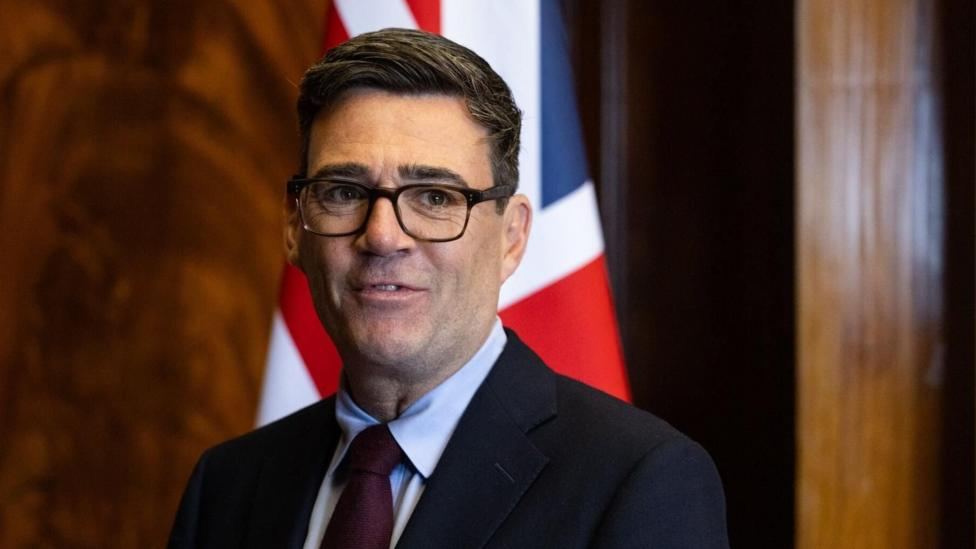
Andy Burnham is preparing to enter Downing Street with a significantly thinner fiscal buffer than his predecessor left just months ago. The prospective prime minister has committed to the strict fiscal rules set by Chancellor Rachel Reeves and the 2024 Labour manifesto. This leaves him little room to manoeuvre as external economic pressures and rising spending demands mount.
In March, Reeves outlined £23.6bn of headroom to balance day-to-day spending with tax receipts within five years. That buffer has since been squeezed by outgoing Prime Minister Keir Starmer’s announcement of £15bn in additional defence spending over four years. While £10.3bn will be raised by reallocating budgets across government, another £4.7bn must be found in the autumn budget, a shortfall of about £1.2bn a year.
Beyond military costs, the UK economy remains under strain from the Iran war, which initially drove up inflation and stalled growth. This geopolitical shock has kept the Bank of England from cutting interest rates. As a result, the government’s borrowing costs have increased, adding to the expense of servicing Britain’s £2.9tn national debt.
However, the Treasury is expected to tell Burnham in the coming days that the actual damage to public finances is less severe than initially projected. Analysts at Capital Economics warned in May that the Middle East crisis could wipe £10bn from Reeves's headroom. Falling global oil prices and declining bond yields have since softened the blow, meaning the Office for Budget Responsibility is now anticipated to show little change.
For investors watching from across Europe, Burnham’s immediate test will be maintaining confidence in UK sovereign debt. So far, his strict adherence to existing fiscal rules has kept the bond markets quiet, with yields barely moving following his scene-setting speech on Monday. City investors are now focused on his upcoming pick for chancellor as the ultimate signal of his intentions.
Despite the relative reprieve on war-related economic costs, the incoming government still faces difficult trade-offs. Burnham must find ways to fund emergency energy support and any new domestic policies without breaking the fiscal rules. Analysts at UBS caution that this dynamic leads to one key question heading into the autumn budget: whether the new prime minister will need to raise taxes to make the math work.