Spanish police chiefs summoned in Socialist probe
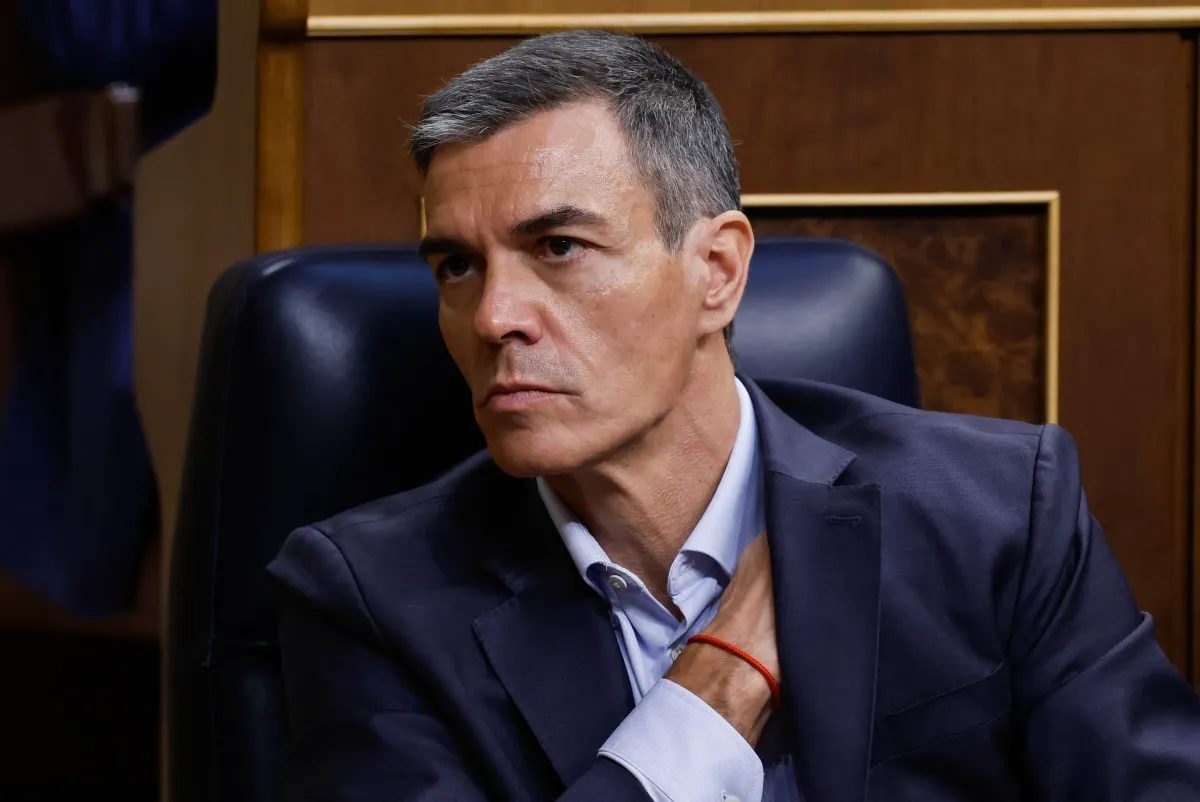
Spain's top police officials face questioning over an alleged plot to derail corruption probes, threatening the stability of Prime Minister Pedro Sánchez's minority government.
A Spanish judge has summoned the country's two most senior Civil Guard officials to testify as suspects in an alleged scheme to obstruct justice. Mercedes González, the director general, and Manuel Llamas, the force's number two, are to appear before the Audiencia Nacional on July 16. Investigating judge Santiago Pedraz stated he found "evidence of responsibility" regarding alleged offences of misconduct in office and obstructing the course of justice.
The alleged operation was led by former Socialist activist Leire Díez and disgraced ex-party heavyweight Santos Cerdán. Authorities suspect they offered payments or favours to Civil Guard staff and prosecutors. In return, they allegedly secured information, acts contrary to the performance of their duties, or compromising material to destabilise sensitive legal investigations targeting Sánchez and his entourage.
Appointed director general in 2024 at the government's proposal, González is a former Socialist activist and MP who denies any wrongdoing. Her legal predicament undermines the core premise of Sánchez's administration. When he took power in 2018, he promised to clean up Spanish politics following the conviction of the main conservative Popular Party in its own corruption affair.
This crisis jeopardises a leader celebrated globally on the left for his clashes with US President Donald Trump and Israel. Instead of leveraging that profile, his minority coalition is paralysed by a string of domestic graft cases. These separate affairs have ensnared his wife, his brother, former top Socialist officials and ex-prime minister José Luis Rodríguez Zapatero, who remains a totem of the Spanish left and serves as Sánchez's mentor.
For European investors and markets, this accumulation of scandals raises concerns about the governing stability of one of the eurozone's largest economies. A protracted political crisis risks distracting the executive from economic management and legislative agendas.
The prime minister has distanced himself from the alleged plot. He dismissed claims of "widespread corruption" within his party and rejected opposition demands for his resignation or early elections. Instead, Sánchez maintains his minority coalition will serve out its mandate until the scheduled vote in 2027.