Veneto drought emergency threatens Italy's agricultural heartland
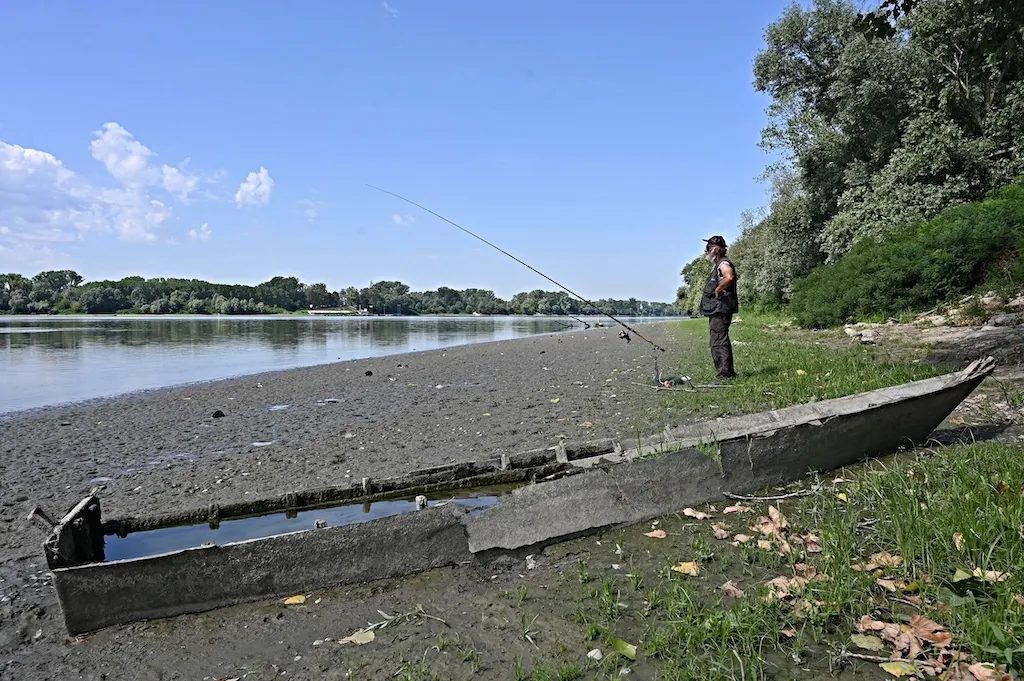
Veneto has declared a state of emergency over a severe water deficit, unlocking rapid state funding as dwindling river flows threaten Italy's agro-industrial heartland ahead of peak irrigation season.
Veneto has declared a state of emergency over what President Alberto Stefani described as "abnormal hydrological and hydraulic conditions". In Italy, this step is a standard procedural tool designed to release government funds more quickly and fast-track administrative responses to a crisis.
The region's water reserves from rain and melting snow stood 28 percent lower at the end of May compared to the same period a year ago. This represents a deficit of nearly 2.4 billion cubic metres. The impact is clearly visible in the region's waterways, where flow rates are "significantly and consistently" below historical norms.
Most critically for the broader European economy, the Po River is running 23 percent below its historical average. As Italy's largest river, the Po supplies the Po Valley, the country's agro-industrial heartland. Stefani specifically warned farmers to prepare for "worsening water shortage problems" during July and August, the period when irrigation demand peaks.
The water crisis extends beyond the river network. Lake Garda, Italy's largest lake, is experiencing water levels that are "falling considerably". While widely known as a vacation destination, the lake is a vital operational resource for local agriculture, fisheries and industry.
In response, water management authorities are being directed to notify the hardest-hit municipalities about impending restrictions. Residents and businesses face potential limits on watering gardens and lawns, washing courtyards, and filling swimming pools and fountains. Stefani's office urged local authorities to adopt a "more sparing and sustainable use of water resources" to mitigate the immediate economic shock.
The declaration arrives in the wake of a severe heatwave that shattered temperature records across much of Europe. Although northern Italy experienced a sudden drop in temperatures and intense rainfall on Wednesday as a wave of cooler air moved in, scientists warn that human-induced climate change is making such extreme droughts and heatwaves more intense and frequent.