London housing gridlock stalls 300,000 planned homes
A severe construction bottleneck has left 300,000 permitted London homes unbuilt, highlighting a deepening affordability crisis that threatens the capital's economic appeal and the UK's broader housing targets.
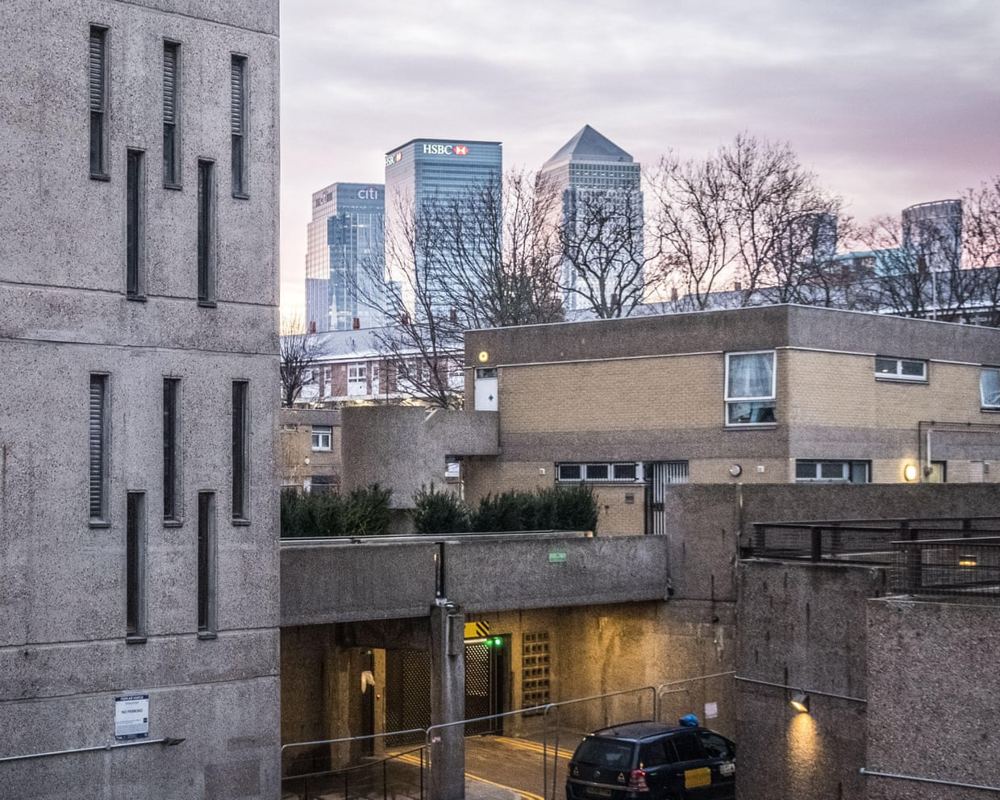
Rising construction costs, high interest rates, and stricter building regulations have brought London’s housebuilding to a standstill, leaving 300,000 homes with planning permission unbuilt. According to Tony Travers of the London School of Economics, post-Grenfell safety rules requiring second staircases in high-rises have compounded the impact of labour shortages. The freeze has exposed the fragility of the capital’s housing supply despite persistent demand.
The standstill is exacerbating a cost-of-living trap for ordinary Londoners. Private renters in the capital now spend 40% of their income on housing, compared to a national average of 36%, while house prices sit at 10.6 times average earnings, against five times in the north-east. The Resolution Foundation notes that higher London salaries no longer compensate for these astronomical costs, leaving average residents worse off than their peers elsewhere in England.
Policy friction
London Mayor Sadiq Khan has attempted to stimulate construction by reducing the mandatory proportion of affordable homes in new developments from 35% to 20%. He argues that 20% of something is better than 35% of nothing, but seven London councils are challenging the move through judicial review. Meanwhile, a government freeze on local housing allowance is accelerating evictions, pushing more families into costly temporary accommodation.
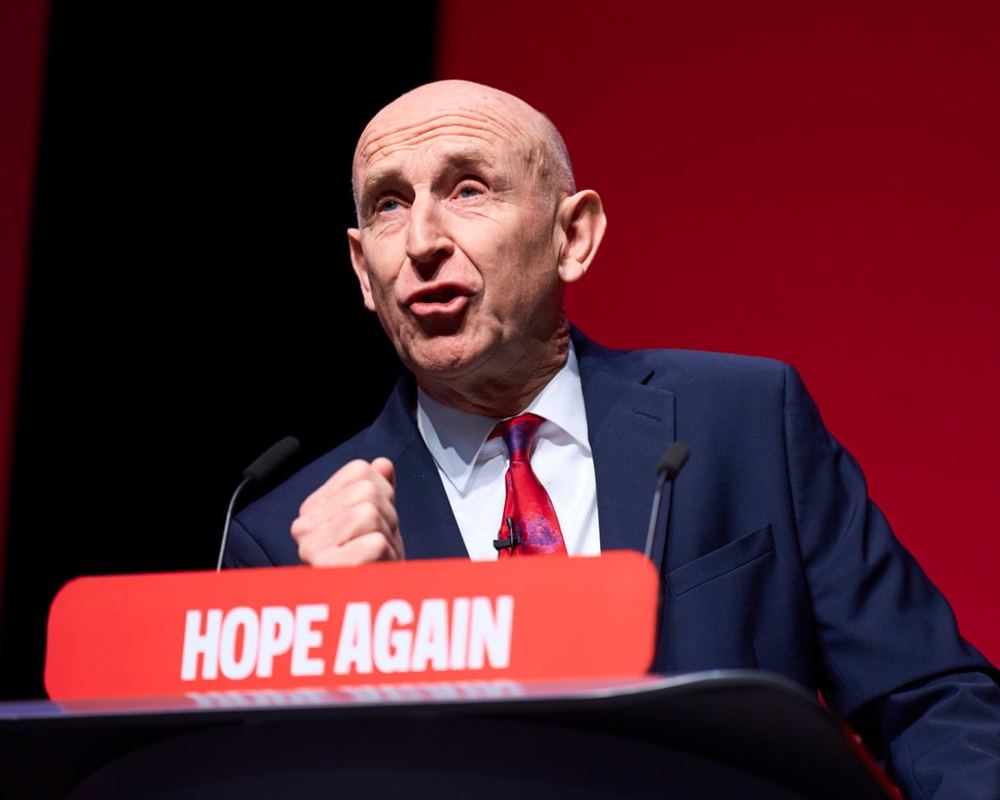
To meet Labour’s 1.5 million home target, Andy Burnham has called for the entire £39bn housing budget to be spent on social housing, which Travers estimates would yield 200,000 council homes nationally. Without unlocking land, however, these numbers will fall short. Seven new towns are planned to relieve pressure, with Enfield serving as the first test case for 21,000 homes on green belt land.
Overcoming local resistance will require overriding councils, as regional mayors hold the power to bypass local opposition. The Political Quarterly notes there is no solution without using green belt land, which currently takes up one and a half times the space of all English cities and towns combined. The prime minister recently highlighted this hypocrisy, telling MPs: "on the one hand to demand a new hospital, and then oppose actually building it. He’s urged his constituents to oppose it because, quote: ‘If the hospital goes ahead, there will be no golf course.’"
Public opinion increasingly favors state intervention, with 71% of English adults backing rent controls tied to inflation. Yet the loss of nearly 2 million council homes since Margaret Thatcher’s right-to-buy scheme limits the ability to intervene directly. Resolving London’s crisis will ultimately depend on whether the government prioritises public housing needs over entrenched private interests, including the 94 golf courses surrounding the capital that could theoretically house 300,000 people.