Ex-Austrian agent jailed for spying for Russia and Wirecard's Marsalek
The jailing of a former Austrian intelligence officer for passing state secrets to the FSB and fugitive Wirecard manager Jan Marsalek has laid bare Vienna’s role as a crucial logistical and espionage hub for Moscow, posing a direct risk to EU security.
In May, a Vienna court handed down a non-final sentence of four years and one month in prison to former intelligence agent Egist Ott for spying for Russia. The lay jury found that Ott had collected confidential data from police databases and transmitted it to the Russian Federal Security Service and Jan Marsalek, the fugitive former Wirecard manager and most wanted man in Europe.
For European investors and security officials, the direct pipeline between an Austrian state employee and the central figure of a major financial scandal underscores the blurred lines between corporate crime and state-sponsored espionage. Ott committed these offences while working at the interior ministry under Herbert Kickl, the leader of the populist far-right Freedom Party.
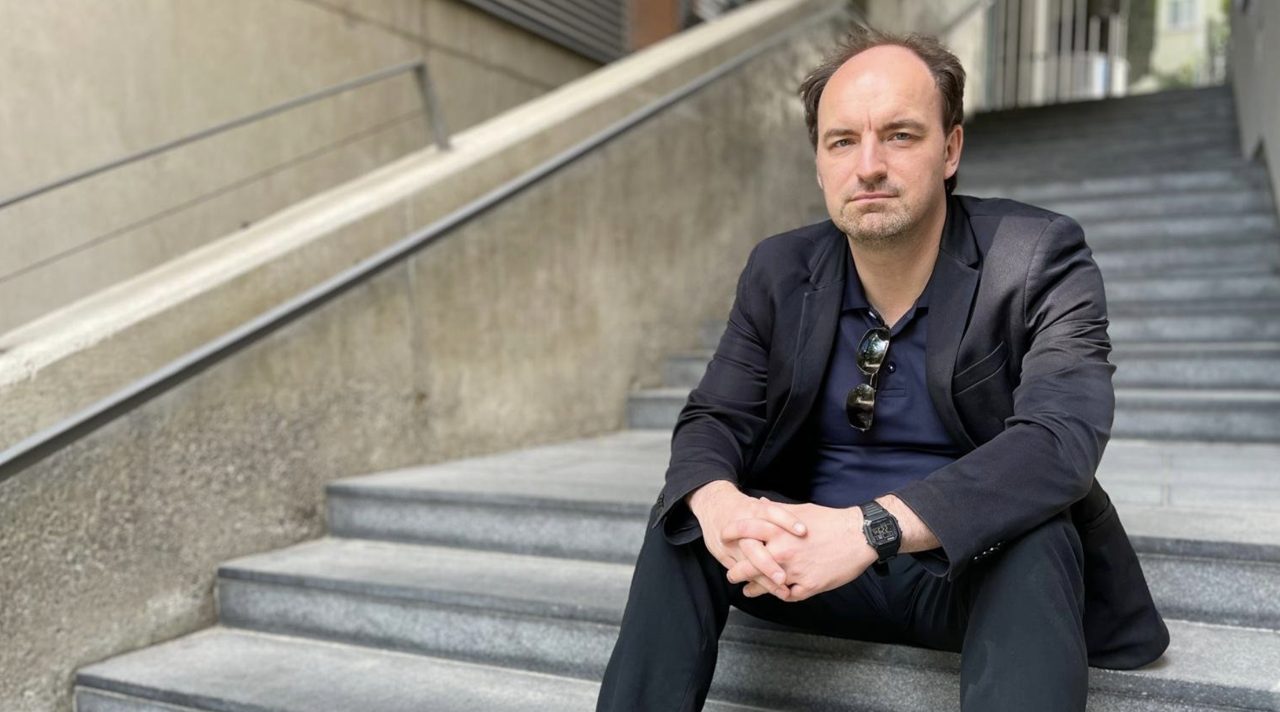
The trial has renewed scrutiny on Vienna's status as a primary European base for Russian operations. According to Dietmar Pichler, an expert on Russian hybrid warfare and co-founder of the Institut zur Verteidigung der Europäischen Demokratien, the Austrian capital functions as a logistical hub and safe house for Moscow. It is used to coordinate potential money transfers and host low-profile agents recruited online to carry out false-flag operations designed to damage Ukraine's reputation.
Pichler warns that the threat extends beyond traditional espionage. He notes an infiltration of Austrian society by "agents of influence" who lobby and spread propaganda for authoritarian regimes in exchange for business support. “The problem is that we have hundreds of cases here that I call Karin Kneissl light, and nobody cares about them,” he said, referencing the former foreign minister who invited the Russian president to her wedding.
This environment has tangible consequences for European policymaking. Austria hosts major international bodies like the UN, OSCE and OPEC, making it a fertile ground for intelligence gathering. More importantly, as an EU member state, Austria can act as a bottleneck in unified bloc decisions. Pichler points to Viktor Orbán’s regime in Hungary as an example of how a single member can block critical measures, such as support for Ukraine.
Public apathy and a rigid interpretation of state neutrality insulate this system. Pichler described a society with a “huge grey mass of people who do not care at all, they are essentially neutralised or somehow zombified.” Many Austrians justify their country's refusal to supply military aid to Ukraine by adopting Russian narratives, such as blaming NATO enlargement. “In a world where neutrality is your 'religion',” Pichler noted, it creates the conditions for distorting reality and blaming victims.