Cape Verde World Cup run boosts nation's tourism profile
Cape Verde's unexpected progression to the World Cup knockout stages has halted national productivity but generated unprecedented global visibility that could reshape the island nation's tourism economy.
Cape Verde secured a 0-0 draw against Saudi Arabia to advance to the World Cup knockout stages, setting up a Friday match against Argentina in Miami. The result cements the Blue Sharks as the smallest nation in history to reach a World Cup knockout match. This milestone was achieved despite the country having no professional domestic football league.
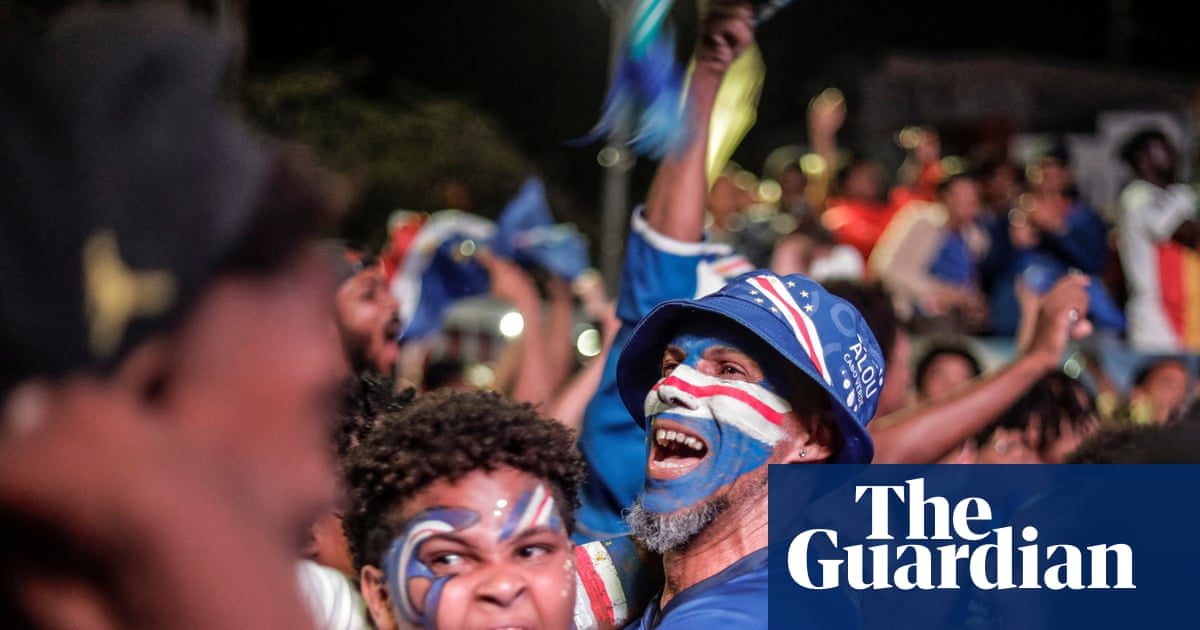
The team's success has effectively paused the economy of the half-million-person archipelago. After an opening 0-0 draw against pre-tournament favourites Spain and a group stage goal against Uruguay, the government granted a half-day off. According to Praia-based journalist Joao Pina, "no one worked that day." Free fan zones across Praia and the nine other inhabited islands have replaced regular daily commerce with continuous public celebration.
The economic disruption even extended to major cultural events. The Festival da Gamboa, Santiago Island's largest music festival, pivoted its opening night from hosting local musicians to a massive watch party for thousands of fans. For European football networks, the squad's ascent highlights a successful model of talent export, relying on a well-run federation to funnel players to Portugal and strategically recruit from the diaspora.
The most tangible economic impact, however, is the country's sudden shift in global soft power. Goalkeeper Vozinha has gained 17.5 million new Instagram followers in two weeks, creating a massive, centralized digital marketing asset for the nation. Teacher Anibele Lizardo noted that "before this, no one knew where Cape Verde was," suggesting the unprecedented global exposure will drive international curiosity and future tourism revenue.
This newfound national pride is highly visible in the sudden proliferation of flags on private houses, cars, and motorbikes. Local resident Janice Miranda observed that before the tournament, the flag was mostly restricted to public buildings like the Presidential Palace, but "now, everyone is proudly displaying it." Regardless of the outcome against Argentina, the Blue Sharks have already delivered a lasting economic and cultural dividend.