Spain's coastal infrastructure under fire as 48 beaches get black flags
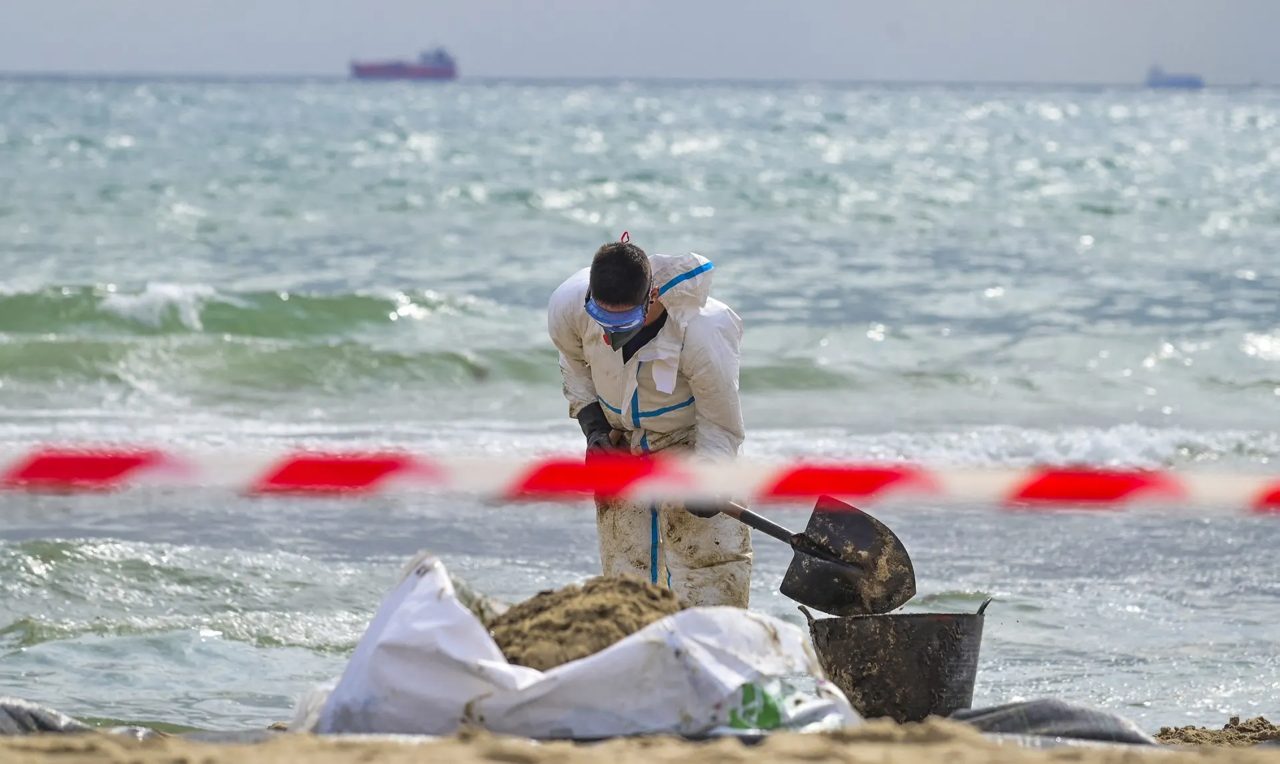
Environmentalists have flagged 48 Spanish coastal sites for severe pollution and poor management, exposing infrastructure gaps beneath the country's world-leading beach tourism brand.
Environmental group Ecologistas en Acción has awarded black flags to 48 coastal locations across Spain following an analysis of the country’s 8,000-kilometre shoreline. The 186-page report, presented on Tuesday in Avilés, cites severe wastewater treatment failures, chemical pollution, and damaging urban development. The organisation warned that "there could be many more" sites worthy of the designation across the country.
The findings expose deep disparities in Spain's coastal management, contrasting sharply with its highly successful tourism branding. "In many cases, we're swimming in our own filth," spokesman Lucas Barrero said during the presentation. The assessment was released shortly after Spain was crowned the world leader in Blue Flag beaches by the Foundation for Environmental Education, securing 677 certified sites for 2026.
Of the 48 black flags, 14 were issued for dumping and serious wastewater treatment problems, while nine resulted from impacts on biodiversity. A further eight were linked to urban development and the encroachment on public land, and seven were attributed to chemical pollution. The geographic spread of these failures spans some of Europe's most heavily visited regions.
The report highlights specific conflicts between commercial infrastructure projects and environmental preservation. Beaches around the port of Valencia received a flag due to "serious impacts" caused by expansion works. The group noted these operations are generating "sediment plumes from sand transport operations, affecting the biodiversity of the area."
Similar development tensions appeared in the Canary Islands, a major winter tourism hub. Las Teresitas, Tenerife's most popular beach in the capital of Santa Cruz, was flagged for pollution. Nearby, the beach in Puertito de Adeje received a black flag because it is the site of the controversial new Cuna del Alma hotel complex.
The group also noted the pollution impacts of cruise ships specifically in Lanzarote. In Gran Canaria, a flag was issued for "chronic discharges and acute episodes of pollution" on the coast of Telde, driven by poor management.
On the mainland, Catalonia received six black flags, two for each of its three coastal provinces. The coastline at l’Ametlla de Mar, Sant Adrià del Besós, and Golfet de Palafrugell were all cited for pollution. The report documented the "continuous discharge of sewage" onto Paella beach in Torredembarra and at the mouth of the River Llobregat.
The Valencian Community also saw six flags. In Alicante, Almadrava beach was cited for pollution, while Albufereta and Cap de l’Horta were flagged for poor management. In Castellón, the beaches of Surrach in Benicarló and La Ribera in Cabanes received flags. The region's broader coastal sanitation system was criticised for "sewage contamination and shortcomings."
Andalusia recorded the highest regional tally with ten black flags, distributed as two per coastal province. Flags were handed to the Huelva Estuary, Algeciras Bay, Maro Beach, La Charca beach in Salobreña, and Quitapellejos beach. Poor management also brought flags to the central beach at Isla Cristina, areas in Vejer, Barbate and Tarifa, the dune area in Marbella, and beaches in the Punta Entinas-Sabinar Nature Reserve.