UK warns parents as AI fuels 14% rise in child abuse images
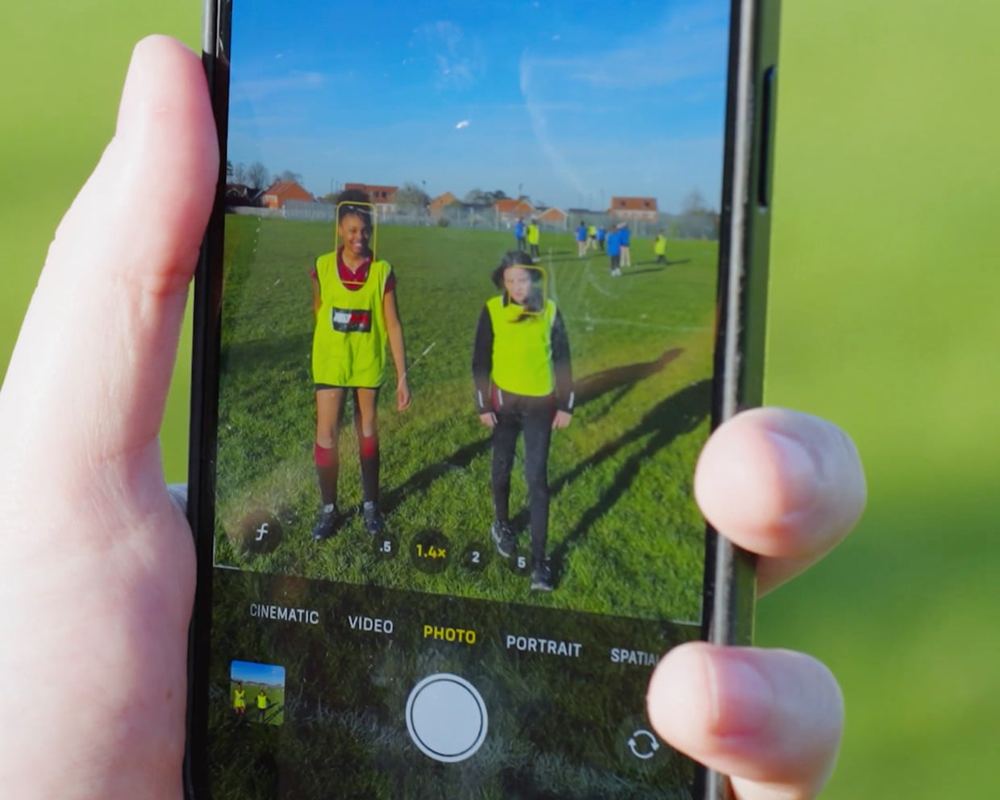
British law enforcement has issued landmark guidance telling parents to stop publicly posting photos of their children, a move that highlights the growing inability of social media platforms to prevent generative AI from weaponizing innocent images.
The UK’s National Crime Agency and the Internet Watch Foundation have released unprecedented guidance urging parents to stop sharing photos of their children on public social media profiles. The advisory marks a significant shift in how authorities are responding to the rapid proliferation of generative AI tools, which criminals are using to create realistic child sexual abuse material from everyday family pictures.
Advances in AI mean predators no longer need to groom or contact victims directly to produce explicit content. The IWF identified 8,029 AI-made images and videos of realistic child sexual abuse material in 2025, representing a 14% increase from the previous year. Perpetrators are scraping publicly available photos from personal accounts and school websites to generate "nudified" images, which are then used to blackmail minors.
A platform protection failure
The guidance highlights a widening gap between the availability of AI tools and the capacity of social media networks to police their misuse. Dan Sexton, the IWF’s chief technology officer, admitted he felt "very uncomfortable" advising parents but saw no alternative. “I would be very cautious [about putting pictures of children online] because there is no protection,” he said. This lack of technical safeguards has direct implications for any European digital platform hosting user-generated content.
The threat extends beyond individual accounts to institutional databases. UK school websites have already been targeted by blackmailers who scraped pupil photos, manipulated them using AI, and threatened to publish the results. The early warning working group, an advisory body that includes the NCA and IWF, has consequently recommended that schools remove identifiable pictures of pupils’ faces from their websites and social media channels entirely.
Authorities are not banning the practice but are advising a drastic reduction in digital exposure. Lorna Sinclair, a child sexual abuse education manager at the NCA, noted: “The average parent or carer does not post a picture of a child online thinking that it might be scraped to be turned into CSAM.” The guidance advises restricting photo visibility to "close friends" groups, auditing old posts for school uniforms or faces, and withdrawing consent for images previously shared with nurseries or sports clubs.
The NCA and IWF are urging families to actively reclaim control over their digital footprints. Tim Wright, a senior manager at the NCA, said: “We encourage parents and carers to take a few simple steps today.” For families and institutions across Europe, the UK’s experience demonstrates that until tech platforms can reliably block AI scraping, the only effective defense is keeping children's images offline.