Late World Cup kick-off divides UK employers over flexible working
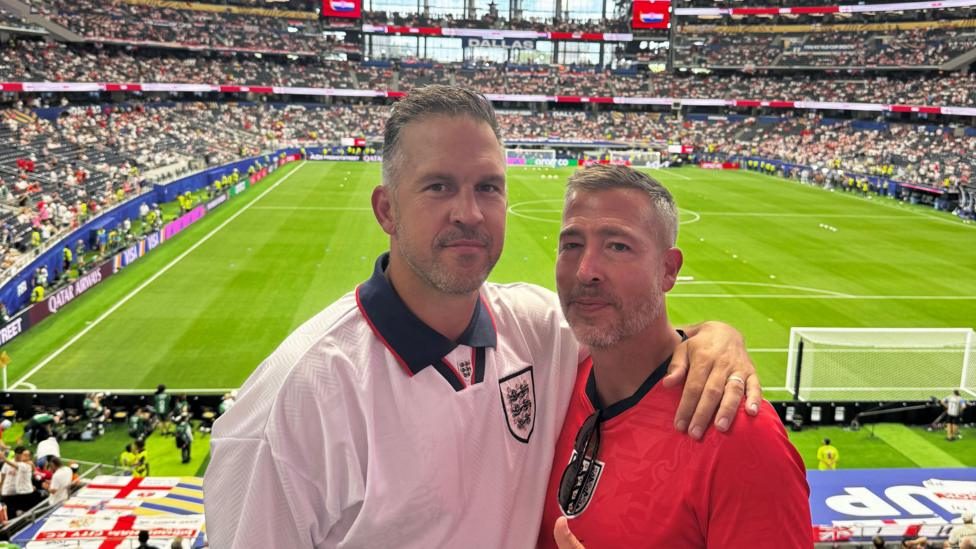
England's 1am World Cup clash with Mexico has forced UK employers to navigate a stark divide in flexible working, weighing short-term productivity losses against staff morale.
England's World Cup match against Mexico kicks off at 01:00 on Monday, prompting a flurry of last-minute schedule adjustments across British businesses. The government reversed an earlier ruling to allow pubs to stay open until 05:00, though police criticised the late notice. FIFA also considered moving the kick-off by six hours due to storm concerns before ultimately sticking to the original time.
The late hour has exposed the practical limits of flexible working across different sectors of the economy. While white-collar firms are shifting hours or granting days off, physical operations are largely standing pat. Supermarkets Sainsbury's and Aldi, alongside car manufacturer Nissan, confirmed it will be business as usual.
For companies where output matters more than physical presence, the calculus is straightforward. London-based MT Finance Group shifted its 125 employees' start times to 11:00. "It wasn't a dilemma at all. This was as close to a no-brainer as a business can get," said founder Joshua Elash. "Some things are more important than, you know, a day's revenue."
Larger firms are using global footprints to absorb the disruption. Octopus Energy is delaying home visits by engineers to ensure they are rested for safety-critical work. "We want to make sure before people drive and do safety-critical work you've had a bit of rest but also that you're able to watch the game," said chief executive Greg Jackson. The firm will plug gaps using staff in Bosnia and South Africa.
Smaller businesses are leveraging their lack of bureaucracy to grant similar concessions. MadeByShape in Manchester is giving its 21 staff the day off if their work is on track. "As long as the work gets done, it doesn't really matter whether you work that day or catch up the next," said co-founder Andy Golpys. The Federation of Small Businesses noted that shorter chains of command make these temporary amendments much easier to implement.
For those unable to offer flexibility, the alternative carries its own economic risks. Employment lawyers warn that denying leave requests could result in unexplained absences or tired, unproductive staff. "Given this risk, employers might sensibly proactively encourage employees to apply to take annual leave in anticipation of the match," said Michelle Last, a partner at Keystone Law.
The TUC is urging widespread employer understanding, though it acknowledges flexibility is impossible for retail and manufacturing production lines. "Ultimately, there will be some jobs, such as shift work, where it won't be possible but we're confident most employers will be thinking about how they can keep everyone onside," said Kate Shoesmith of the British Chambers of Commerce. For many firms, prioritising culture over a single morning's output is a calculated investment in retention.