Russia signals 1.2 million autumn mobilisation as war economy strains
A potential 1.2-million-strong Russian mobilisation this autumn threatens to deepen Moscow's labour shortage and signal a prolonged conflict that will continue to strain European security and markets.
Russian pro-war sources are circulating warnings of a 1.2-million-person mobilisation scheduled for October. This figure, posted by the Telegram channel Romanov Lajt and echoed by Spirit of Novorossiya, points to a dramatic escalation that would call up four times the 300,000 men drafted in autumn 2022.
For Europe, such a move would signal that the Kremlin expects a protracted conflict, carrying severe implications for continental defence planning. More immediately, extracting 1.2 million workers from an economy already suffering acute labour shortages would turn Russia’s current fuel crisis into a broader economic collapse.
Moscow has previously avoided a second mobilisation to uphold an unwritten social contract allowing citizens to avoid the front and profit from wartime production. However, that model is failing because volunteer recruitment has collapsed. As the independent Russian website Verstka reported: “the fools willing to fight for money have run out.”
The data from Moscow city hall illustrates the decline. In April, the capital sent 1,708 contract soldiers to the front, dropping to 1,378 in May, a thousand fewer than last year. Despite the introduction of high recruitment bonuses, applications in the fourth quarter of 2025 fell by half compared to the same period in 2024.
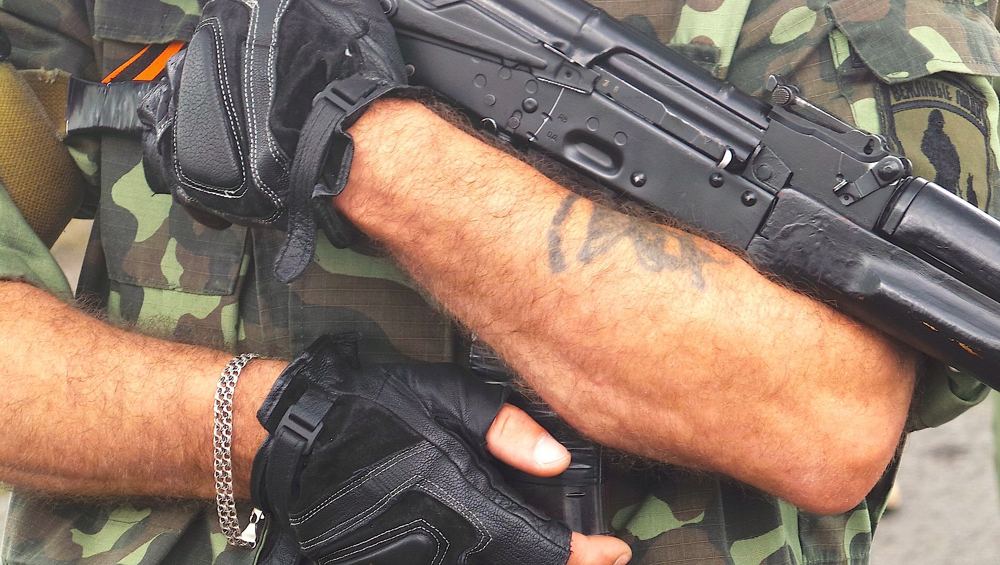
The resulting manpower crisis is degrading the quality of Russian forces. Recruiters are increasingly relying on individuals facing criminal prosecution, the sick, and those with addictions. Desertion rates are estimated to be staggeringly high, with one recruitment office employee suggesting as many as half of new recruits immediately flee the front.
The deteriorating human capital is evident at the front, where one unnamed Russian soldier told Verstka: “In our regiment it is very visible; units are at 30 percent, at best 40.” Another soldier, Anton, described fighting for just 300 square metres since January, adding: “We lack everything. People, equipment, drones. We eat animal feed.”
Despite these Russian failures, European capitals should not expect a sudden Ukrainian breakthrough. The Ukrainian soldier running the Officer Telegram account warned against “unhealthy, excessively euphoric” optimism, reminding readers that tactical conditions remain incredibly tense.
Fellow Ukrainian serviceman Stanislav Bunyatov noted that Russia’s numerical superiority in drones makes urban combat particularly perilous. He warned that dense city cover allows Russian infantry to infiltrate effectively, creating a chain reaction that enables gradual enemy advances.
Putin is likely delaying any announcement until after September’s parliamentary elections to avoid social friction. But with volunteer cash incentives exhausted and previous mobilisation reserves depleted, Europe must prepare for a Russian leadership willing to cripple its own domestic economy to sustain an indefinite war of attrition.