GCAP fighter jet secures £4.6bn contract after UK funding delay
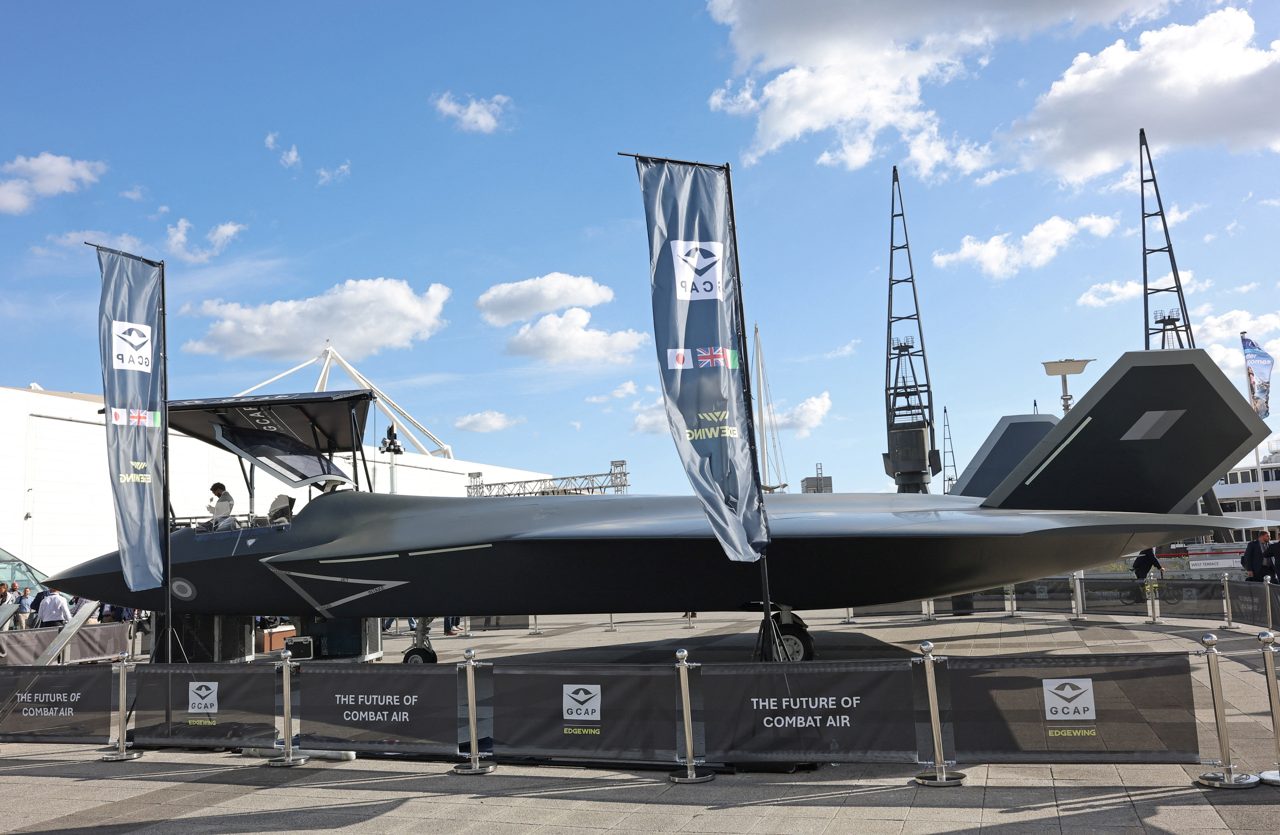
Japan, Italy and the UK have awarded a £4.6 billion development contract for the sixth-generation GCAP fighter, securing a vital industrial pipeline for European aerospace firms after months of political friction over British funding.
Japan, Italy and the U.K. have formally awarded an 18-month, £4.6 billion ($6.1 billion) development contract to Edgewing, the industrial consortium tasked with building the GCAP sixth-generation fighter jet. The funding will cover the completion of the advanced concept and assessment phase, alongside joint detailed design and development. The announcement comes just days before the opening of the Farnborough airshow.
The contract ends a period of acute anxiety for European defense contractors that was triggered by a months-long delay in London’s Defence Investment Plan. While waiting for the U.K. to free up the cash this spring, the partner nations were forced to rely on a £686 million stop-gap contract to prevent work from halting entirely. That temporary measure expired on June 30, the exact day the U.K. finally published its delayed plan.
The eventual U.K. financial commitment significantly surpassed market expectations. The Defence Investment Plan pledged £8.6 billion ($11.4 billion) over four years to the fighter programme, well above the roughly £6 billion that industry officials had anticipated. This robust funding floor is designed to keep the project on track for a 2035 delivery date.
The funding vacuum had genuine geopolitical consequences, threatening to undermine the broader alliance. Japan grew increasingly anxious about schedule delays, with its prime minister reportedly threatening to pull out of a planned visit to the U.K. ahead of the June G7 summit if London failed to promise the necessary money.
For Europe’s aerospace sector, particularly Italian industry, the contract locks in a vital long-term revenue stream. Edgewing pools the national champions of the three partner nations: BAE Systems, Italy’s Leonardo, and Japan Aircraft Industrial Enhancement Co. The immediate next step for the consortium will be to issue its own subcontracts to tri-nation groups managing the jet’s complex electronics and propulsion systems.
This cascading procurement cycle will be closely watched by European investors and secondary suppliers. Securing a place on the GCAP supply chain is viewed as critical for the long-term competitiveness of Europe's defense industrial base, especially as the continent increases military spending.
U.K. defence procurement minister Luke Pollard called the contract “a major step forward towards delivery” of the GCAP. “This milestone strengthens our partnership with international allies, supports thousands of highly skilled jobs across the UK, and will give the RAF the tools they need to keep the UK safe, all backed by an £8.6 billion commitment in the defense investment plan,” he added.