1946 Kielce pogrom: 80 years after Poland's worst postwar massacre
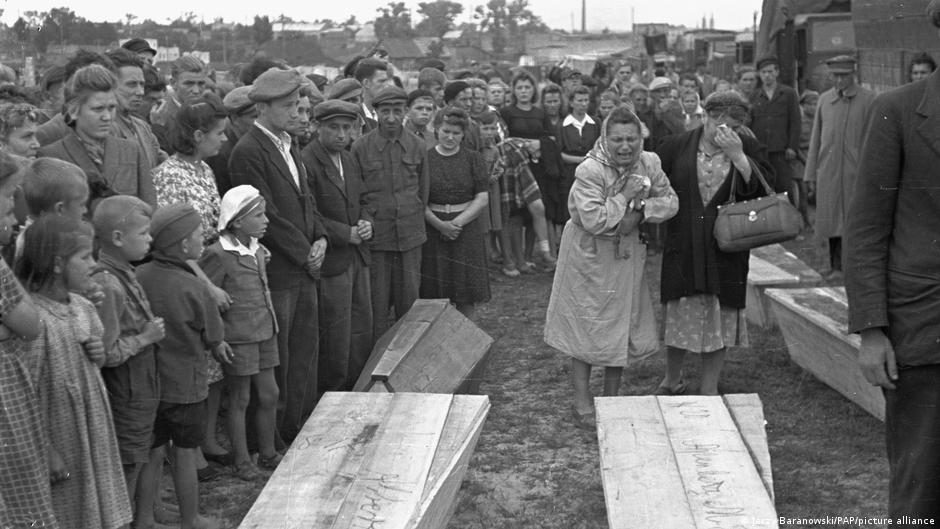
The 80th anniversary of the Kielce pogrom highlights how a fabricated rumor triggered a massacre that drove 100,000 Jews from post-war Poland.
Poland is marking the 80th anniversary of the Kielce pogrom, the deadliest outbreak of anti-Jewish violence in the country after the Second World War. On July 4, 1946, an angry mob descended on a building housing Holocaust survivors at 7 Planty Street, shouting "Death to the Jews!" and armed with stones and clubs.
The massacre was sparked by a child's lie. Henryk Blaszczyk, aged eight or nine, fabricated a story about being held captive in a basement by a Jewish man to avoid punishment for disappearing for two days. Accompanied by police, the boy pointed out the "Jewish House" as his prison, despite the building having no basement.
State forces failed to protect the over 150 Jewish residents. "The soldiers started shooting, but not at the attackers, at us," survivor Chil Alpert later testified. Militia members and soldiers shot through doors, forced their way inside, and threw victims from second-floor balconies into the mob. A second wave of violence erupted when workers from the Ludwikow metalworks joined the assault with their tools.
The exact death toll remains disputed. The Institute of National Remembrance records 37 Jewish deaths, alongside three Catholic Poles who died defending them. Warsaw's POLIN museum puts the Jewish death toll at a minimum of 40, along with two Polish defenders.
The immediate consequence was a demographic shift across Europe. The pogrom caused what POLIN describes as "a widespread panic," triggering an exodus in which around 100,000 Jews fled Poland, many heading to Germany or Palestine.
Kielce was not an isolated incident. Krakow historian Julian Kwiek documented approximately 1,100 murders of Jews in Poland between 1944 and late 1947. "Violence against Jews was a widespread phenomenon," Kwiek wrote. Cultural anthropologist Joanna Tokarska-Bakir notes that a revived "blood libel" myth and disputes over confiscated property drove the violence.
Returning survivors faced severe resistance from squatters. "This met with resistance from the new Polish owners, who had already been living there for three years and who considered them their property," Tokarska-Bakir said.
For decades, Communist censorship rendered the massacre a taboo subject, allowing speculation that Soviet intelligence had orchestrated it. However, the Institute of National Remembrance closed its investigation in 2006, concluding the pogrom was a "spontaneous reaction" driven by local prejudices rather than a political plot.