Berlin summons Chinese envoy over unverified Russian training claims
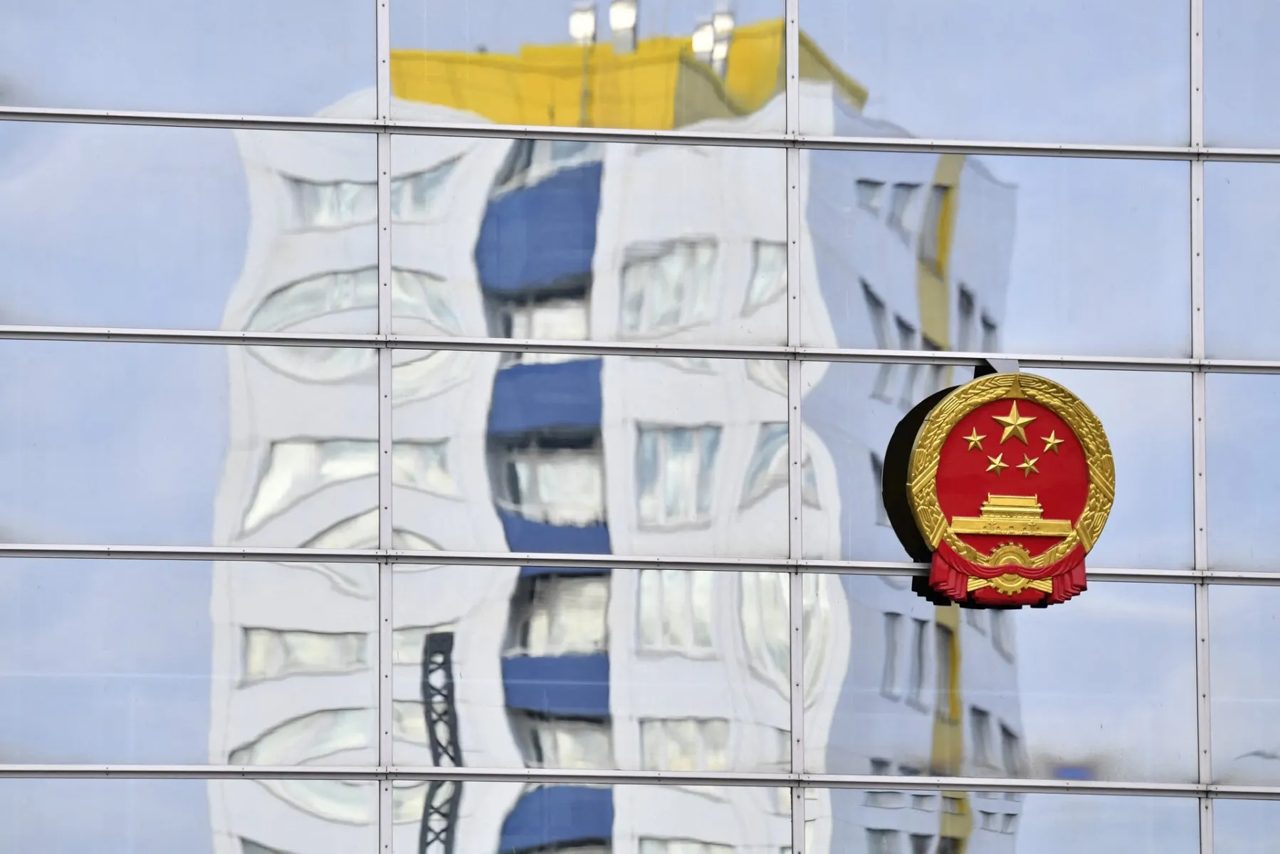
Germany has called in China's ambassador after intelligence leaks suggested the Chinese military trained Russian forces deployed in Ukraine, escalating European security concerns.
The German foreign ministry summoned China’s envoy on Thursday following reports that the Chinese military secretly trained Russian soldiers deployed in Ukraine. The ministry described the allegations as "deeply disturbing," pointing to potential support for Russia from Chinese state actors, specifically the Chinese People’s Liberation Army. Berlin warned that any enabling of Moscow's war directly threatens European security.
The claims stem from a May 20 report in the German daily Die Welt, which cited classified documents from European intelligence services. The newspaper alleged that the Chinese army trained several hundred Russian troops on Chinese soil. These specific allegations have not been independently verified.
The public emergence of these intelligence claims coincided with a high-profile summit in Beijing between Russian President Vladimir Putin and Chinese President Xi Jinping. For European policymakers, the optics of the meeting paired with the leaked documents reinforced suspicions of a deepening military partnership between the two allies.
"Anything that enables Russia to continue its war of aggression against Ukraine also represents a threat to our security," the ministry stated. Berlin views any indirect military support for Moscow as a direct challenge to the continent.
The German government is now "addressing this issue in depth with its European partners," a diplomatic effort that underscores the bloc-wide strategic concern. European capitals have been closely monitoring Beijing's role, wary that economic ties are masking a shift toward tactical backing of Russia's military.
Chancellor Friedrich Merz explicitly raised concerns over Chinese support for Russia during his visit to Beijing in February. The latest reports elevate these long-standing diplomatic tensions, presenting a fresh risk for investors and companies. The revelations threaten to complicate the delicate economic relationship between Europe's largest economy and a vital Asian manufacturing market.