UK's £30bn OpenAI datacentre deal was mostly hypothetical
The UK government inflated investment figures for a flagship AI datacentre project that lacked basic grid infrastructure, exposing the gap between European political rhetoric and the realities of building artificial intelligence capacity.
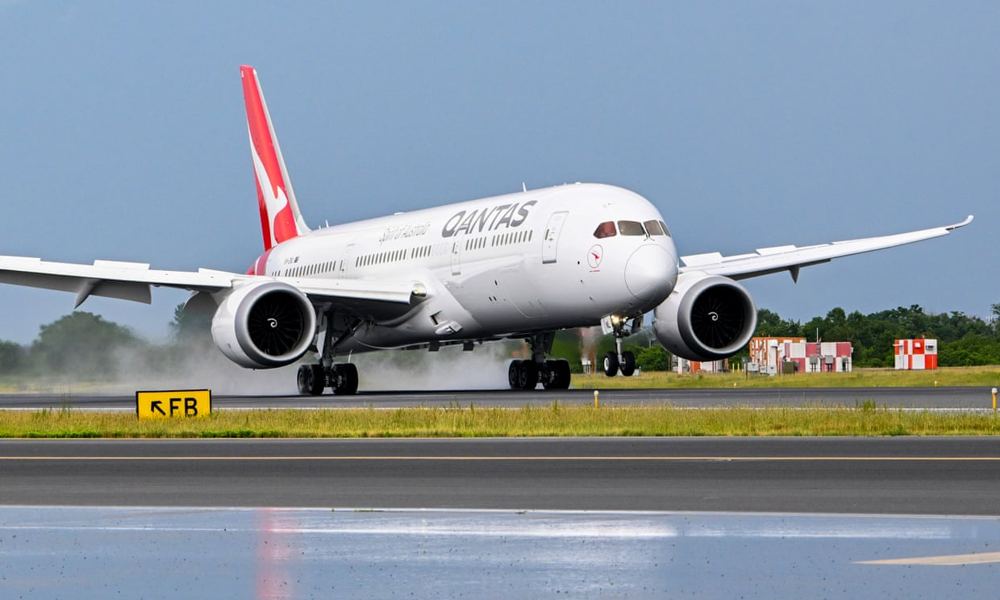
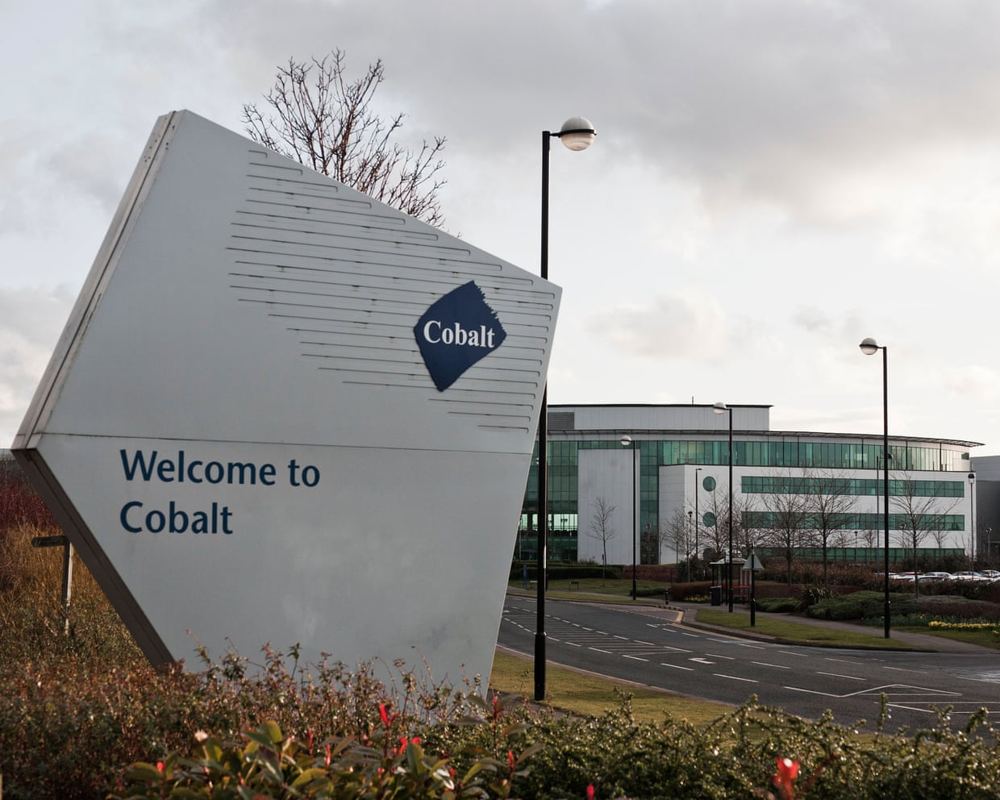
The UK government’s flagship £30bn artificial intelligence datacentre project with OpenAI was largely hypothetical. OpenAI never visited the project's key site in North Tyneside before the plans were paused in April.
Of the £30bn in investment touted by the government, £10bn was committed by Blackstone for a separate, ongoing datacentre. The remaining £20bn was not backed by identified partners. When pressed, the government admitted this figure represented the amount of money the site would simply need to build a datacentre and utilise its 1.1GW electricity supply.
The project, dubbed Stargate UK, was hastily arranged ahead of Donald Trump’s visit to London last September. Sources said the government approached OpenAI and the UK firm Nscale shortly before the visit, with one stating: "They needed a big announcement."
Freedom of information requests show neither OpenAI nor Nscale met with local authorities overseeing the Cobalt Park site in North Tyneside. Only Nvidia, the AI chipmaker also linked to the project, visited the local authority, doing so in February 2026.
"Nscale were pretty much told to back the Stargate project, and it caught them completely unaware," a source said. "It was never really a thing. It was effectively just a government PR stunt, and Sam Altman took the hit when the plug got pulled."
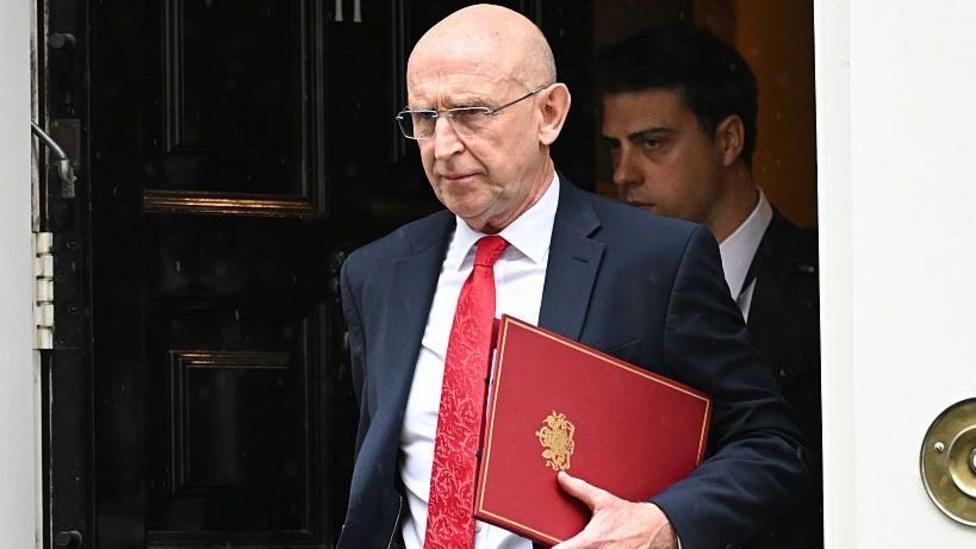
The absence of basic groundwork highlights the physical constraints holding back AI infrastructure across Europe. The National Energy System Operator indicated the site lacked a grid connection. John Johnsson, the local Conservative leader, noted: "There’s just not the infrastructure there to be able to actually support it."
"The fundamentals, energy costs, grid capacity and infrastructure do not appear to have been in place to support a project of this scale," Johnsson added.
OpenAI paused the plans in April, citing regulatory concerns and high energy costs. A spokesperson said the company continues to explore the project but will "move forward when the right conditions such as regulation and the cost of energy enable long-term infrastructure investment."
The situation demonstrates how European governments are struggling to translate diplomatic hype into viable computing capacity. Kamila Kingstone of Spotlight on Corruption said: "It is disingenuous for the government to imply that the £20bn for the AI growth zone will be forthcoming, when it reflects the amount needed."
A government spokesperson said work on the north-east AI growth zone was "well under way," led by a taskforce co-chaired by the technology secretary and North East mayor Kim McGuinness. The spokesperson claimed the zone would reach 1.1GW capacity, with 400MW available by 2028.