Dutch minister pressures NATO laggards as defence contracts surge
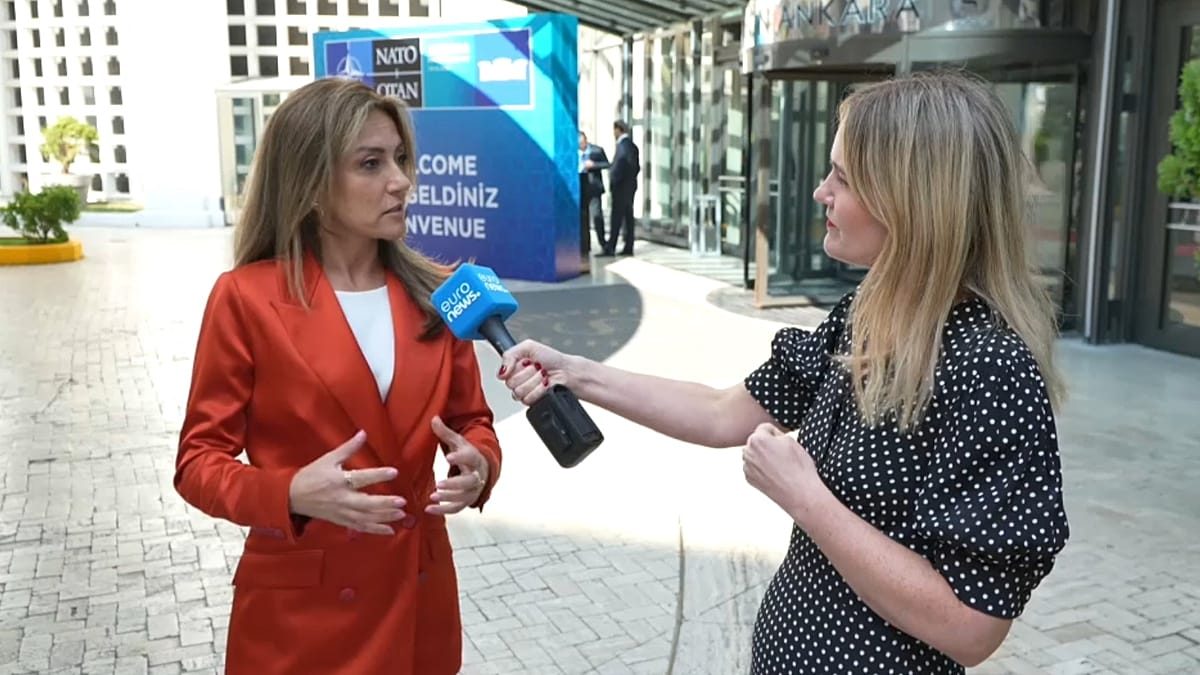
NATO allies failing to hit defence spending targets face diplomatic pressure at the Ankara summit, where the alliance is shifting hundreds of billions of euros in new pledges into actual military contracts for European industry.
The Netherlands committed an additional €3 billion to defence spending at the NATO summit in Ankara, as Dutch Defence Minister Dilan Yeşilgöz-Zegerius warned that allies failing to ramp up their military budgets will face direct pressure from their peers.
The new Dutch funding comes as NATO leaders convene to translate previous political commitments into tangible industrial demand. The summit is expected to generate announcements totalling hundreds of billions of euros in defence investments, marking a critical shift from abstract spending pledges to actual procurement for European and allied manufacturers.
NATO Secretary General Mark Rutte emphasised that the alliance must convert its financial targets into specific military hardware. "Here in Ankara, I expect nations to present clear, concrete and credible plans to reach that 5 percent goal," Rutte said. "We will announce tens of billions in new contracts that will provide the crucial kit we need to deter and defend."
For Europe’s defence and aerospace contractors, this represents a significant and sustained pipeline of orders. Rutte specifically highlighted the need for Patriot defence systems, drone technology and ammunition, sectors where European industry has faced capacity constraints but is now under pressure to scale up production rapidly.
The sheer scale of the spending shift is already visible in the macroeconomic data. In 2025 alone, core defence expenditure by Europe and Canada increased by $139 billion, or €122 billion. This represents a 20 percent year-over-year increase, signalling a structural reordering of government spending priorities across the continent.
Despite the broad acceleration, the burden-sharing debate remains unresolved. Three NATO members, Albania, Czechia and Slovenia, have yet to meet the alliance’s previous 2 percent of GDP spending target and are expected to face diplomatic pressure in Ankara to close the gap.
Yeşilgöz-Zegerius made it clear that the alliance intends to enforce its benchmarks. "Last year in The Hague, we promised a lot. But it's only worth those promises if you really deliver," she said. "Today, I hope that I will see that from my colleagues. And colleagues who are not delivering, I will be talking to them as well, because we have to do this together."
The economic rationale for the spending surge is tied directly to the security environment. "As you well know, we have a war on our own continent. We have an enemy facing us, Putin, and it's very important that we are also able to stand up," Yeşilgöz-Zegerius said. For European governments, this means defence budgets are transitioning from a discretionary expense to a permanent, structural economic fixture.