Uzbekistan targets high-value European tourists amid $4.8bn boom
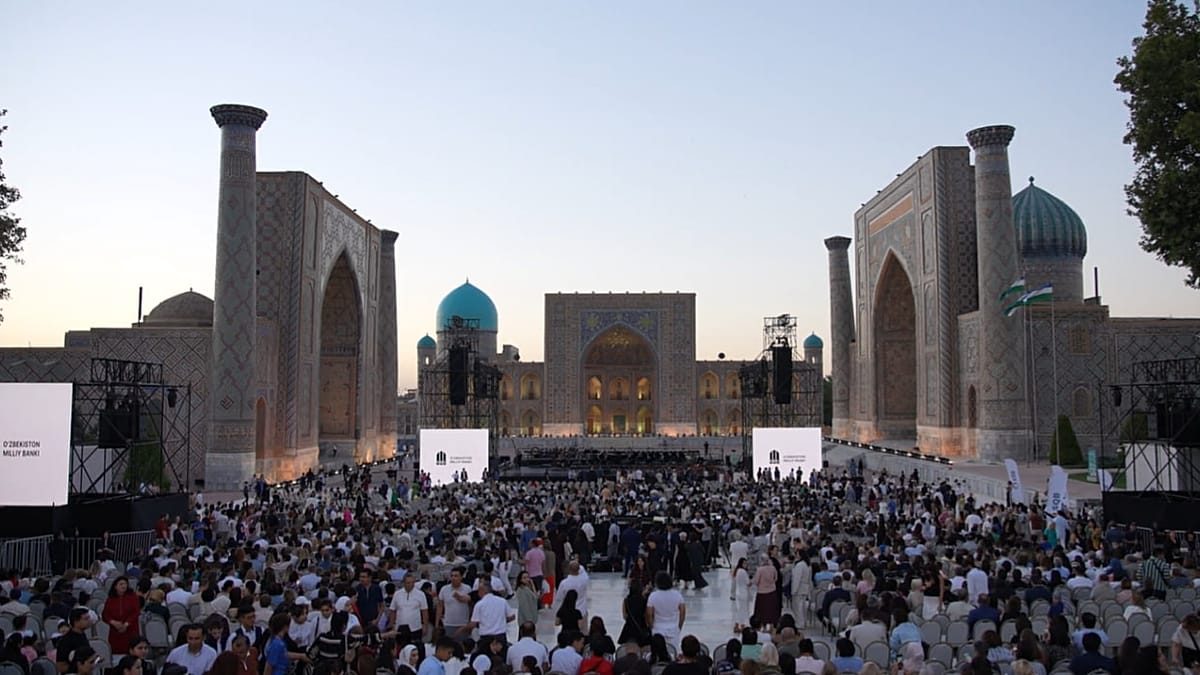
Uzbekistan is overhauling its aviation and tourism sectors to attract longer-staying European visitors, a strategic shift aimed at converting a massive surge in arrivals into sustained export revenue.
Preliminary data shows Uzbekistan received 11.68 million foreign tourist trips in 2025, a 46.8% increase from 7.96 million in 2024. Tourism services exports surged to $4.8 billion (€4.2 billion), up from $3.52 billion (€3.09 billion) the previous year.
Rather than chasing sheer arrival numbers, authorities now want to extract more revenue per visitor. "Today, our priority is not simply increasing the number of tourists. We are equally focused on attracting higher-value visitors who contribute more to the economy through their spending," said Abdulaziz Akkulov, chairman of Uzbekistan’s Tourism Committee.
Europe is a primary target for this pivot. "One of our strategic priorities is to attract more long-haul travellers from Europe, Asia and the Americas, as well as to develop joint regional tourism packages together with our neighbouring countries," Akkulov said.
To make this strategy viable, the state is intervening financially. A June decree introduced subsidies for airlines and tour operators, while hotels and tourism companies became eligible for a 50% VAT refund during the summer season.
Aviation capacity remains the critical bottleneck for connecting to distant markets. Uzbekistan Airways has expanded its fleet from 26 aircraft five years ago to 45 today. The carrier recently signed a firm order for 14 Boeing 787-9 Dreamliners, with options for eight more, with deliveries beginning in 2031.
These wide-body aircraft are not just for bringing tourists to Samarkand or Bukhara. "Our goal is to establish Tashkent as a strategic hub between Europe and Asia, and between America and Asia," said Shukhrat Yadgarov, the airline’s deputy chairman for commerce and tourism. "Aviation is about speed, comfort and efficiency. If those journeys pass through Uzbekistan, we will only benefit."
Landing international visitors is only the first hurdle, as moving them across the vast country requires substantial domestic investment. "This rapid growth means we must move even faster in expanding transport infrastructure and introducing new solutions," Akkulov said. The government is addressing this by building new regional airports and expanding high-speed rail corridors to disperse visitors beyond traditional heritage routes.