Nato allies pledge 5% GDP defence spend amid US pullback threat
European Nato members have committed to spending 5% of GDP on defence by 2035 and announced tens of billions in joint arms purchases, signalling a permanent economic shift in the continent's burden-sharing as Washington reviews its military footprint.
Nato leaders emerged from the Ankara summit with a firm pledge to invest 5% of GDP in defence and related infrastructure by 2035. The commitment was underpinned by coordinated announcements of tens of billions of dollars in equipment purchases. Joint projects for air-to-air refuelling tankers, long-range precision missiles and air-defence systems signal a historic windfall for European defence contractors.
For European governments and investors, the summit formalised a structural shift in the continent's military spending. European allies and Canada are signing major contracts to strengthen their militaries, absorbing costs that the United States is increasingly unwilling to bear as it pulls some forces back from Europe.
Yet the economic planning for this industrial ramp-up is clouded by acute political risk from Washington. US Defence Secretary Pete Hegseth explicitly put allies on notice that the Pentagon is conducting a six-month review of its force presence in Europe. He implied Washington could use troop withdrawals to punish those deemed to have "failed", though it remained unspecified whether this grade applies to deficient defence spending or lack of support for US military actions elsewhere.
This unpredictability bled into the summit's trade and procurement language. Leaders vowed to "continue our work to eliminate defence trade barriers among allies". However, the phrasing was deeply ambiguous. It was not clear if this was a warning to the EU against including "buy European" provisions in its funded joint procurement plans, or a European plea for the US to ease technology transfer restrictions that prevent allies from having full control over US weapons systems they purchase.
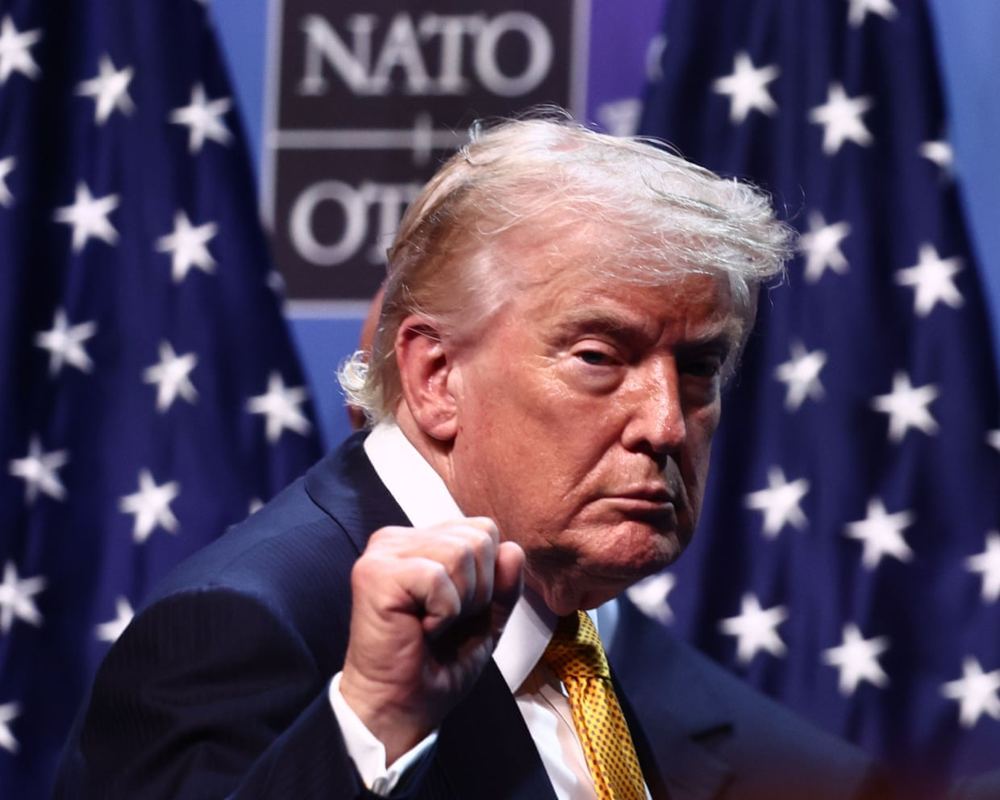
The push for European strategic autonomy played out against the usual diplomatic turbulence from US President Donald Trump, who dominated the summit's news cycle with threats to cut trade with Spain and take control of Greenland. Nato's final communique stuck to an "ironclad commitment to collective defence under article 5", leaning on the freshly minted slogan "a stronger Europe in a stronger Nato".
The summit also produced a notable shift on Ukraine, with the US endorsing a declaration that "Ukraine contributes to transatlantic security, and allies stand united in our unwavering support for Ukraine in defending its freedom, sovereignty and territorial integrity". Crucially for Europe's long-term defence manufacturing capacity, the summit yielded a Trump promise to allow Ukraine to build Patriot missile interceptors under licence.