Rheinmetall, MBDA win mid three-digit million euro Navy laser contract
A new contract to build a naval laser weapon by 2029 highlights Europe's accelerating push to fund a sovereign defense industrial base to counter the drone threat.
The German armed forces have contracted Rheinmetall and MBDA Deutschland to build a high-energy laser weapon for the Navy, with operations expected to begin in 2029. The deal, signed in June, is worth in the mid three-digit million-euro range. The system will handle the full chain of engagement, from target reconnaissance to tracking and firing.
Naval vessels are ideal platforms for laser weapons because they offer the space, power and cooling such systems demand. The technology is designed to counter drones, a rapidly proliferating threat. “The laser weapon system will provide our personnel deployed on naval vessels with a significantly higher level of protection, particularly when it comes to countering drones,” said Roman Koehne, head of Rheinmetall’s weapons and ammunition division.
The weapon builds on extensive testing of a demonstrator aboard the German frigate Sachsen. Over the course of a year, it traveled 28,000 nautical miles from the Baltic Sea to the Mediterranean, firing more than 1,000 shots at air, sea and land targets. The companies assert the system has a very high level of technological maturity, remaining effective even in poor weather by focusing energy on an area of just a few centimeters.
MBDA Deutschland Managing Director Thomas Gottschild noted the containerized system will also serve as a cost-effective tool for port security. For European industry, the contract represents a significant domestic win. The joint venture pledged to prioritize German supply chains and local expertise to secure national sovereignty in the technology.
“Serial production will ‘largely’ take part in Germany,” Koehne said, signaling sustained revenue for local manufacturers rather than foreign suppliers.
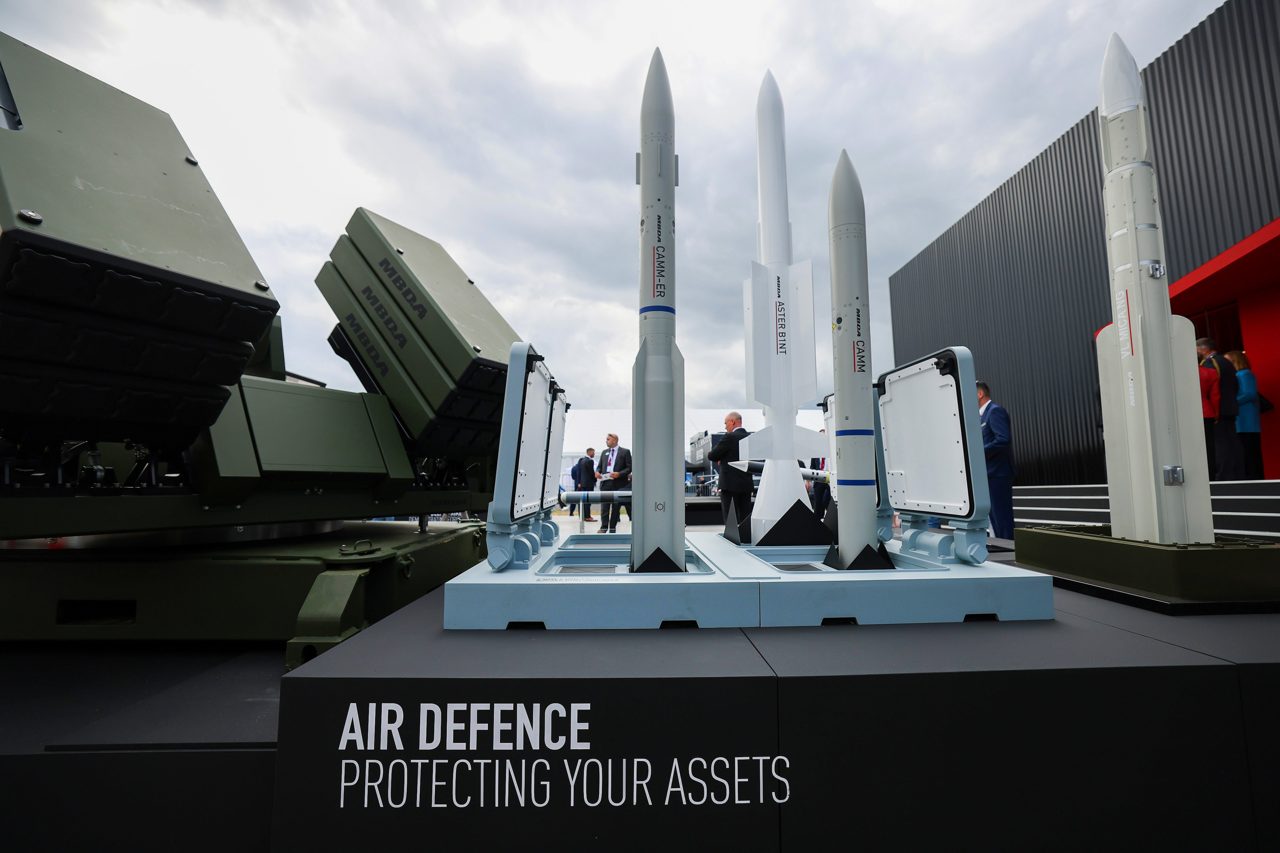
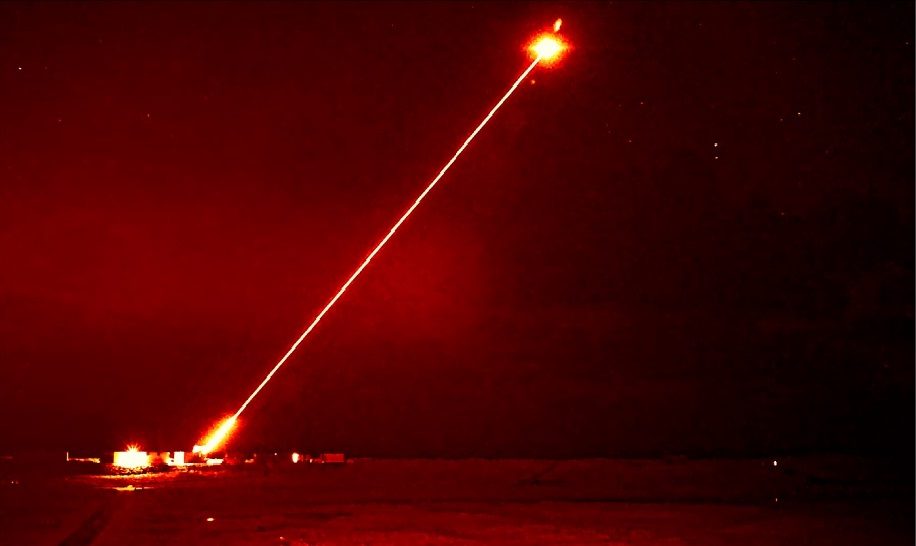
This contract fits into a much wider European scramble to upgrade air defenses and reverse years of underinvestment. The United Kingdom’s Royal Navy is planning to fit a different laser system, DragonFire, on a destroyer by 2027. Belgium is investing €3.1 billion to rebuild its air defense capabilities after two decades without them, purchasing 20 Skyranger 30 anti-drone cannons from Rheinmetall, 14 Thales radars and 10 Kongsberg air-defense systems.
European researchers are simultaneously pushing into next-generation technologies to maintain an edge. The French-German Research Institute of Saint-Louis moved its electromagnetic railgun out of the lab for its first outdoor test in June. Railguns use electromagnetic force rather than chemical explosives to fire projectiles, and developers see them as a potential future answer to hypersonic weapons.