Paris landmarks close early as third heatwave disrupts tourism and agriculture
Consecutive extreme temperatures are forcing the closure of major cultural institutions and threatening agricultural output across Western Europe, underscoring the growing operational and economic toll of severe weather.
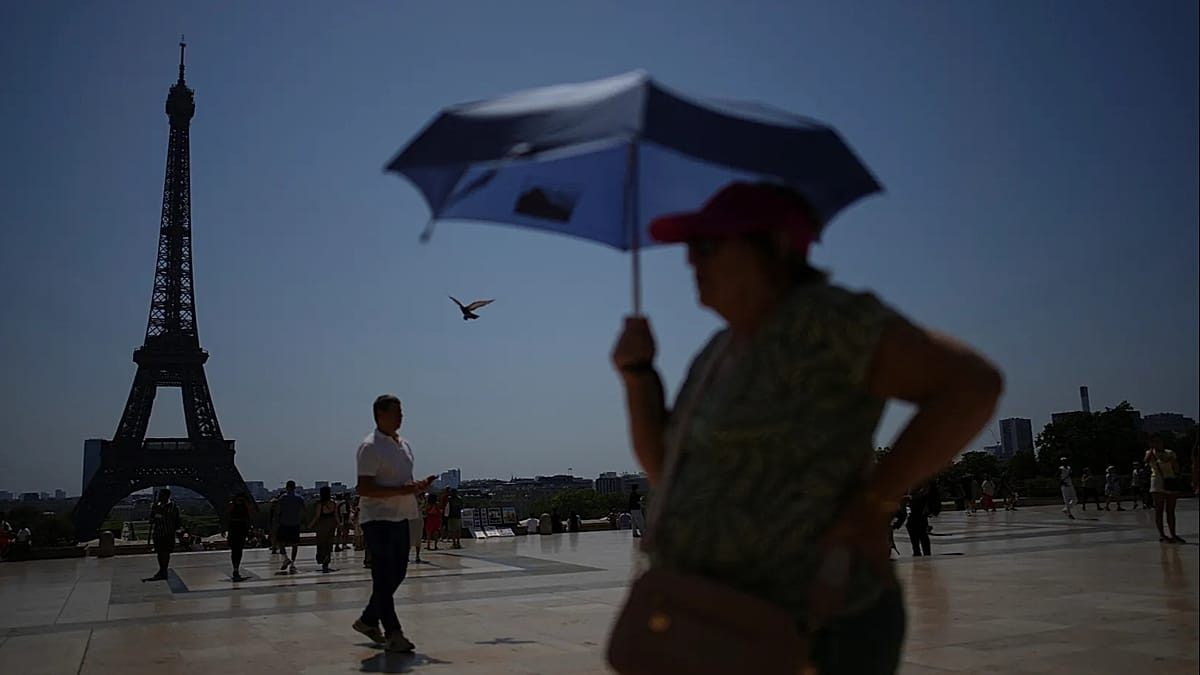
Paris is shutting down its most famous cultural landmarks early this weekend as a third heatwave since May bakes the country. The Eiffel Tower will close at 4 pm on Saturday and Sunday, while the Louvre Museum will shutter at the same time through Monday, and the Musée d'Orsay will close at 5 pm from Saturday until Wednesday.
Météo-France has placed 24 departments across northwestern France under a red heat alert, affecting more than 22 million people. Temperatures are expected to reach 35°C to 38°C across most regions, with highs up to 39°C forecast from Burgundy to Pays de la Loire.
The disruptions arrive just ahead of the annual Bastille Day celebrations on 14 July, with much of the country on an orange alert. Paris mayor Emmanuel Grégoire convened a crisis meeting on Friday to extend municipal heatwave measures, keeping parks and swimming pools open longer while deploying drinking water stations and additional support for vulnerable residents.
These early closures represent a direct hit to the tourism sector, which relies heavily on summer foot traffic to sustain revenue. The operational strain is not limited to France, as sweltering conditions across Western Europe are simultaneously threatening agricultural yields and public safety.
In northern Italy, severe drought conditions are depleting water reserves and threatening the farming sector. The River Po, the nation's longest waterway, is facing a critical situation according to the Po River District Basin Authority, raising concerns over agricultural output.
Meanwhile, Spain is battling one of the country's deadliest-ever wildfires in the southeastern province of Almería. The blaze, which authorities believe may have been sparked by a fallen power line, has killed at least 12 people and forced the evacuation of more than 1,400 residents.
Spain's national weather agency, AEMET, reported that improving weather on Saturday helped firefighters combat the flames. However, high temperatures of up to 36°C to 38°C are still expected across much of the Iberian Peninsula, maintaining the pressure on emergency services and infrastructure.