Ukrainian drones target Russian oil, chemical plants to cripple war economy
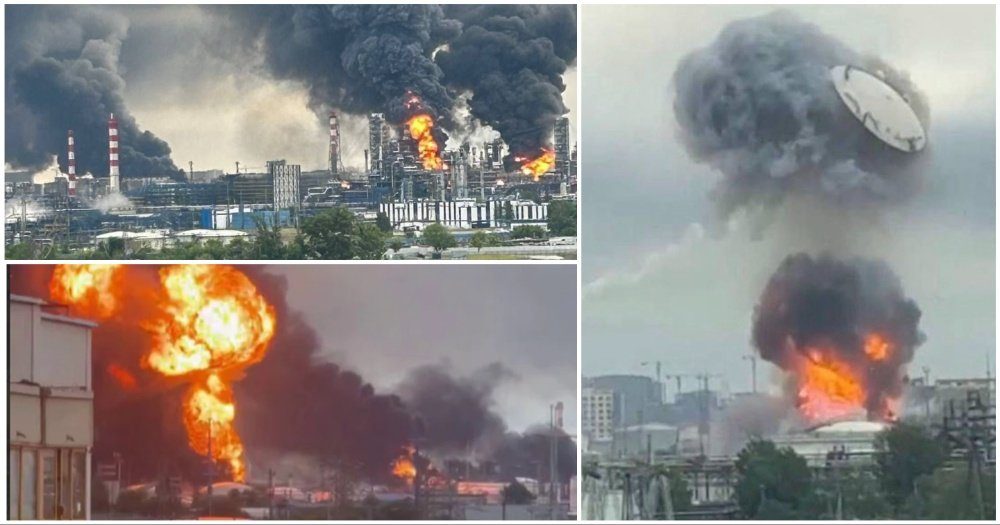
Ukraine is using AI-enabled medium-range drones to systematically destroy Russian oil refineries, chemical plants and arms factories, a strategy that threatens Moscow's ability to fund its war and could reshape European energy security.
Ukraine has launched a systematic campaign using medium-range drones to dismantle Russia’s industrial base, striking oil refineries, chemical plants and weapons factories deep behind the front lines.
The objective is not to attack cities, but to choke off the economic resources funding the invasion. "Ukraine’s strategy consists of the gradual destruction of individual categories of Russian industry, oil refining, the military‑industrial sector, chemicals," said Olexandr Kovalenko, a Ukrainian military expert from Odesa. The late US senator John McCain once called Russia a “filling station”. Kovalenko says Ukraine is now turning it into an "empty canister".
For European markets, this targeted destruction of Russia's energy and industrial infrastructure carries substantial weight. By prioritising the complete destruction of the oil-refining sector, Kyiv is directly attacking the country's primary source of export revenue. Strikes on chemical plants are justified even when they appear civilian, because their products are used in rocket fuel and explosives for missile warheads. Ukraine is also targeting Russia's scientific base, specifically research institutes developing new military technologies.
This industrial attrition is made possible by a newly acquired technological edge. Ukraine is deploying drones such as the Hornet, RAM-2X, Darts and Bulava to sever Russian battlefield logistics. Artificial intelligence has become integral to this success, allowing drones to operate autonomously and select targets even after losing control signals to Russian electronic-warfare systems.
Western intelligence agencies play a critical role in this economic warfare, helping Kyiv verify precisely what is stored at targeted facilities, whether ammunition, fuel, lubricants or other military supplies. The campaign is a collective effort led by defence minister Mykhailo Fedorov, intelligence chief Kyrylo Budanov and Unmanned Systems Forces commander Robert Brovdi "Madyar".
The timing of the campaign is dictated by battlefield realities. A six-month aid blockade in the US Congress, which also delayed support for Taiwan and Israel, caused a severe ammunition shortage for Ukraine last year. This forced a defensive posture aimed at exhausting Russian forces. That exhaustion has now materialised, leaving the Russian army reliant on mass infantry with inadequate logistics. In some sectors, this logistical crisis has degraded Russian defences to a catastrophic state, opening opportunities for Ukrainian counter-actions.
However, this window of economic and military advantage is narrowing. Kovalenko warned that Russia is preparing a new mobilisation wave in the coming months to recruit hundreds of thousands of soldiers. Ukraine must inflict maximum damage on Russia's industrial rear before those fresh troops arrive at the front.