German grocer Aldi targets affluent US shoppers in $9bn urban expansion
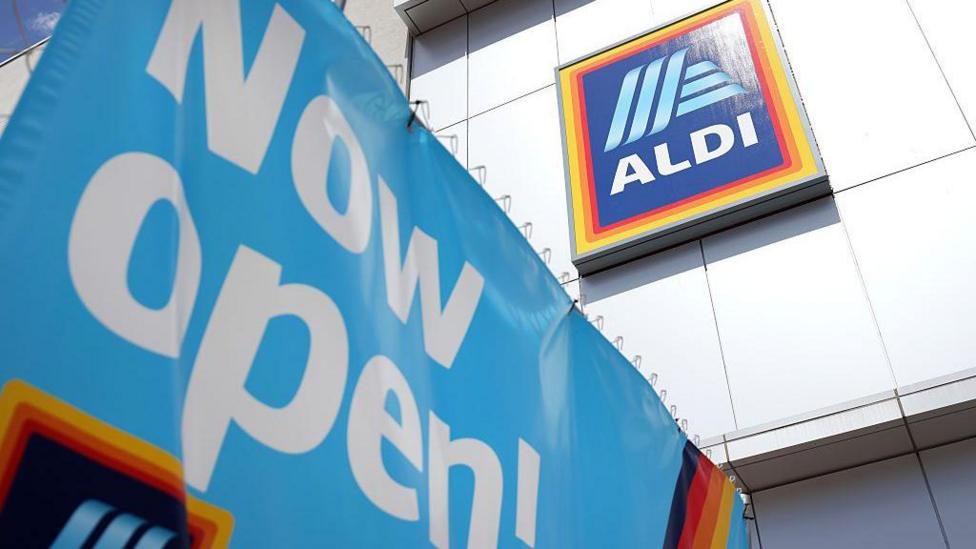
The German discount supermarket is investing $9bn to open 800 new US stores in dense urban centers, proving its lean business model can capture affluent shoppers squeezed by inflation without threatening America's retail giants.
Aldi is accelerating its American expansion with a $9bn investment to open 800 new stores over the next five years, shifting its focus toward dense urban hubs like Manhattan. The German supermarket chain recently opened a location in the basement of a luxury apartment building in New York, marking a strategic pivot from its traditional suburban footprint.
This aggressive real estate push aims to capture middle- and higher-income households earning between $75,000 and $125,000 annually. Years of persistent inflation have driven these wealthier demographics to seek cheaper alternatives, allowing the European grocer to capitalize on shifting consumer habits.
RJ Hottovy, head of analytical research at Placer.ai, observed that these consumers are trading visits to conventional grocery stores to "stretch their household budget." The strategy builds on Aldi’s European success, where it commands 10.8% of the UK market after disrupting the traditional "big four" grocers alongside fellow German challenger Lidl.
Despite this momentum, Aldi holds just 2.9% of the US grocery market compared to Walmart’s dominant 20% share. Analysts suggest the German retailer is not trying to dethrone the American behemoth, but rather operate as a highly efficient niche player. Dustin York, an associate professor at Maryville University, compared the massive scale of Walmart to a battleship, while describing Aldi as a submarine.
Expanding into premium urban real estate introduces severe financial hazards, with Manhattan retail rents averaging between $350 and $700 per square foot. Supplying these dense locations also requires complex logistics. Aldi US chief commercial officer Scott Patton explained that the company relies on nightly deliveries from Connecticut using specialized shorter trucks and two-driver teams, calling the complex operation a "logistical symphony."
Jerry Sheldon, a retail analyst at IHL Group, argued that Aldi cannot simply out-discount its rival because the American giant invests over $20bn annually in technology. Sheldon noted that "Walmart fights with a war chest and Aldi fights with a scalpel," adding that the US titan generates billions from advertising and membership revenues. For now, the German chain remains focused on its lean, private-label model, offering roughly 80% of a traditional big-box retailer's inventory at a fraction of the cost.