New US child investment accounts launch amid warnings they will favour the wealthy
The White House has rolled out a nationwide savings scheme to give American children a stake in the stock market, but economists warn the complex rules will largely advantage affluent households.
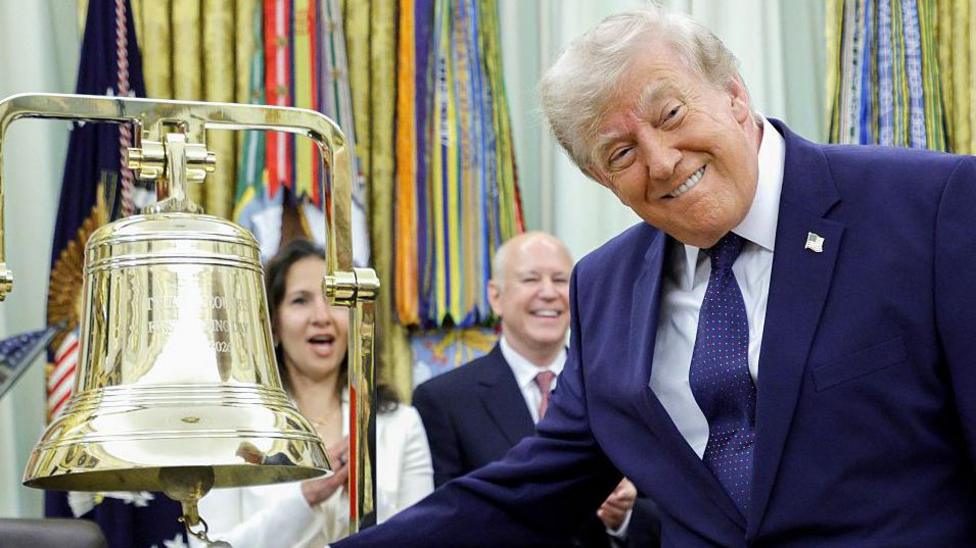
The US government has officially launched "Trump Accounts," a new nationwide savings programme allowing parents to invest on behalf of children under 18. The initiative, which went live on 4 July, was marked by the president ringing the Wall Street opening bell from the Oval Office.
Families, friends, and employers can contribute up to $5,000 annually per child into low-cost index funds. To kickstart the scheme, the government is providing a $1,000 subsidy to babies born between 2025 and 2028, with the White House confirming over half a million newborn accounts have already received the deposit.
The rollout represents a significant push to financialise childhood savings and broaden the domestic retail investor base. Asset management giant BlackRock, alongside corporate backers like Visa and Dell, supports the move, noting that roughly 40% of Americans currently lack exposure to financial markets.
Projections suggest the initial $1,000 could grow to $6,000 by age 18 based on historical S&P 500 averages, or reach $271,000 if the maximum annual contributions are made. However, the funds are locked until age 18, and early withdrawals incur taxes plus a 10% penalty unless used for specific purposes like higher education or a first home.
Economists argue the complexity of the scheme means it will primarily benefit a minority of well-off, financially literate parents. Will McBride of the Tax Foundation warned the rules are too complicated, while Adam Michel from the Cato Institute suggested lower-income youths might be forced to cash out at 18 to survive, triggering heavy penalties.
The launch arrives as the cost of living dominates political discourse ahead of the November mid-term elections. Despite the administration's optimism, only about six million families had registered before the July 4 launch, a fraction of the tens of millions eligible, with total private contributions reaching just $125 million so far.