US farm bankruptcies surge as Trump tariffs and USDA cuts rattle global markets
The Trump administration’s dismantling of US Department of Agriculture programs and imposition of new tariffs has triggered a surge in American farm bankruptcies, threatening to destabilize global agricultural commodity markets and supply chains.
The US Department of Agriculture has eliminated hundreds of millions in funding for small and mid-sized American farmers while shedding 20,000 employees nationwide since Donald Trump returned to office. The restructuring under Agriculture Secretary Brooke Rollins has cancelled initiatives supporting local food networks and minority producers, prompting a federal judge to order the reinstatement of $127 million in wrongfully terminated grants.
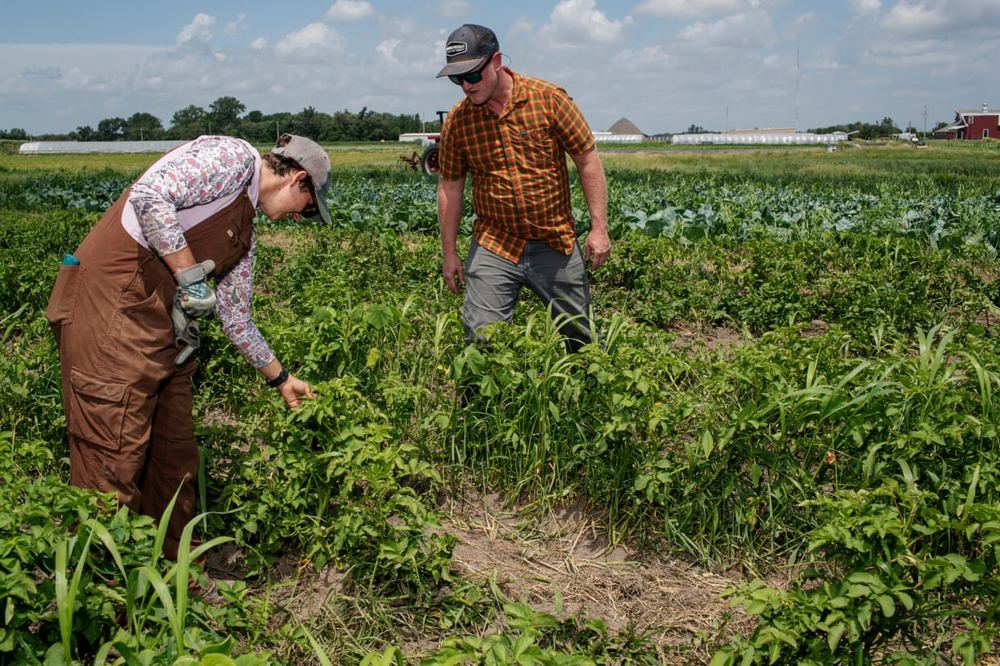
These policy shifts have devastated independent producers in agricultural heartlands like Iowa, where the sector accounts for a third of economic output. Farmer James Nisly reported losing 20 percent of his cashflow after the cancellation of local food purchase programs, while Anna Pesek estimated a 10 percent income drop. The resulting turmoil is reflected in a 220 percent year-on-year increase in Iowa farm bankruptcies, which reached 18 in 2025, alongside the suspension of training fellowships for beginner farmers like Lawrencia Rogers.
For European investors and agribusinesses, the contraction of the US farming base carries significant macroeconomic implications. The administration’s global tariff regimen has already prompted China to reduce purchases of American soybeans, disrupting established global trade flows. Concurrently, the ongoing war with Iran has driven up the costs of diesel and fertilizer, inflating input prices across the entire global agricultural supply chain and threatening to push European food inflation higher.
The operational capacity of the USDA has also degraded severely, with a 17 percent staff reduction in Iowa alone. When the department announced $1 billion in assistance for specialty crop growers this year, local offices lacked the personnel to process applications effectively. Carly McAndrews described the rollout as functionless, while a USDA spokesperson defended the department's record by claiming there has been no lapse in service to the American people.
Critics argue this centralization of power is intentionally prioritizing massive corporate farming operations over independent businesses. As the US shifts its agricultural focus toward large-scale corporate producers, European markets must prepare for potential volatility in transatlantic food trade, shifting export profiles, and broader global commodity pricing.