Canadian pipeline operator South Bow faces $26.9m US spill penalty
Canadian pipeline operator South Bow will pay nearly $27 million to settle US charges over a record 2022 oil spill, highlighting the mounting regulatory risks for North American energy infrastructure.
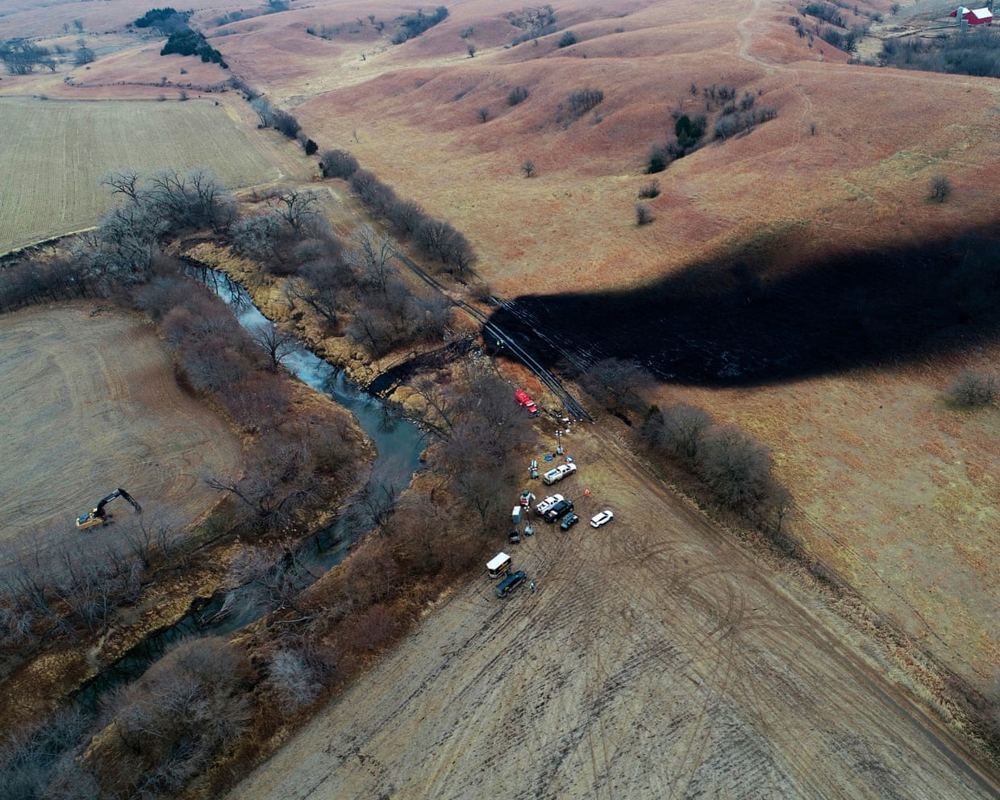
South Bow, a Canadian pipeline operator spun off from TC Energy last year, has agreed to pay a $26.9 million civil penalty to resolve US government allegations stemming from a massive 2022 oil spill in Kansas. The proposed settlement, filed in a US district court on Friday, also requires the company to spend roughly $40 million on measures to prevent future accidents.
The December 2022 rupture dumped nearly 13,000 barrels of heavy crude into a creek, enough to nearly fill an Olympic-sized swimming pool. For European investors and markets monitoring North American energy infrastructure, the scale of the incident underscores the severe liability risks tied to the transport of heavy Canadian tar sands oil.
The spill killed or harmed more than 2,700 animals, including an endangered long-eared bat species, according to a US government complaint. “The oil spill blanketed land and water, rendering the waterway lifeless and useless and requiring extensive cleanup and remediation,” said Jeffrey Hall, the EPA’s assistant administrator for enforcement. South Bow will pay an additional $3 million to Kansas for environmental restoration.
A subsequent engineering report revealed that the pipeline bend where the spill occurred had been “overstressed” since its installation in 2010 due to improperly compacted soil. Although the company re-excavated the site in 2013, court filings show it failed to replace the damaged section of pipe. South Bow spokesperson Sara Hunter said the company “proactively” launched its response and completed “comprehensive environmental remediation” by February 2024, having since inspected more than 12,000 miles of pipeline and conducted 400 excavations to examine and repair the pipe.
The settlement arrives at a pivotal moment for North American oil logistics. The 2,689-mile Keystone system moves thick Canadian crude to refineries in Illinois, Oklahoma and Texas, a supply chain that helps dictate heavy crude pricing globally. While the Biden administration blocked the ambitious $8 billion Keystone XL expansion over environmental concerns in 2021, the current US government is changing course.
In April, Donald Trump approved South Bow and a partner to build a new, smaller pipeline from Canada to Wyoming. This contrast between expanding infrastructure opportunities and hefty penalties for past failures signals a complex operating environment. Pipeline companies must now navigate new construction approvals while bearing the financial and operational burdens of maintaining aging systems to strict environmental standards.