Record US World Cup TV ratings confirm soccer's commercial breakthrough

The 2026 World Cup is drawing record-breaking television audiences and stadium crowds in the United States, signalling that the world's largest consumer market has finally become a lucrative mainstream home for football.
The 2026 World Cup has defied political and logistical headwinds to become a commercial and cultural phenomenon in the United States. Through the first 78 matches, average stadium attendance hit 64,511—a 10,000-fan increase over the 2022 tournament—while FIFA reported 6.5 million tickets sold and a 99.7% occupancy rate.
The television numbers are even more striking for European broadcasters and rights holders monitoring the US market. Fox’s English-language broadcast of the US men’s national team loss to Belgium drew an average of 33 million viewers, peaking at 41 million. That figure surpassed the audience for the 2025 World Series and Game 5 of the NBA finals, marking what the Athletic called “the most-watched soccer telecast on one network in US history”.
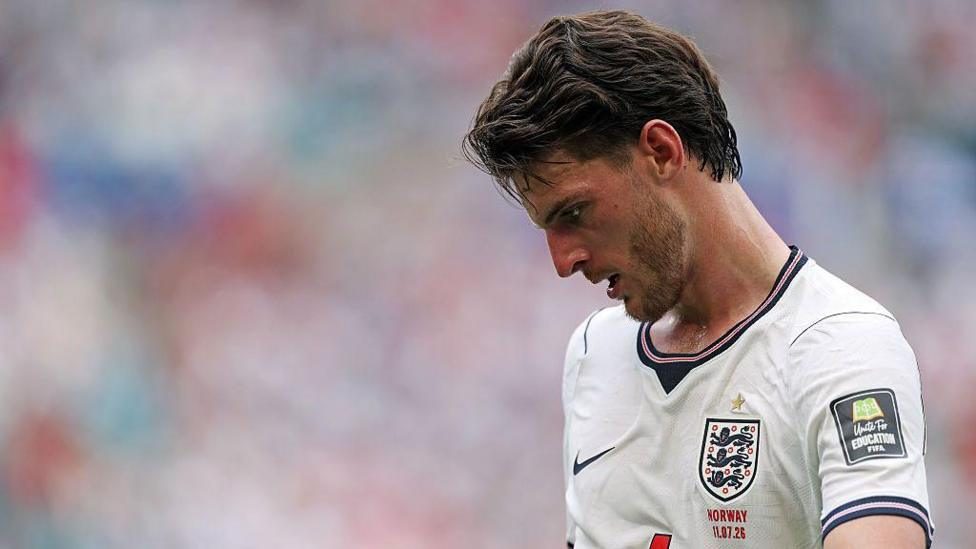
This is not just a temporary spike driven by national team loyalty. England’s match against Mexico attracted 21.7 million viewers on Fox and 23.2 million on Telemundo. Mike Mulvihill, president of insights and analytics for Fox Sports, noted that the average Fox viewer had already watched more matches than they did during the entire 2022 tournament. Across 72 matches, Fox averaged 5 million viewers, while Telemundo averaged 4.6 million.
Pricing strategies played a clear role in driving this sustained engagement. Alex Lawton, a 32-year-old fan in Brooklyn, noted he watched many games on Telemundo “because it’s one of the more accessible ways to stream it”. Telemundo, hosted on Peacock, costs half the price of the Fox One platform, illustrating how streaming price points are dictating market share in live sports.
For European leagues and sponsors, these figures validate years of investment. A January report in the Economist found soccer had edged out baseball to become America's third-favorite sport, with one in ten Americans naming it their top choice. The decision to host games in US primetime, avoiding the sleep disruptions of distant time zones, has clearly accelerated this mainstream adoption.
The on-field product has also suited the market. The tournament is averaging three goals per game, the highest rate since 1958, addressing a longstanding American criticism of the sport. The performances of global stars like Kylian Mbappé, Lionel Messi, Erling Haaland, and Harry Kane—who have eight, eight, seven, and six goals respectively—have provided the headline-grabbing action US viewers expect.
Remarkably, this commercial surge occurred alongside severe federal immigration crackdowns and harsh visa restrictions that prevented some fans from travelling to the tournament. Instead of dampening enthusiasm, the event became what Lawton called a “brilliant reprieve and a unifying force that has just brought people from different walks of life and backgrounds together in a super beautiful way”. For investors, the takeaway is clear: football’s economic footprint in the US has decoupled from political headwinds and is now structurally embedded.