UK oil lobby targets Burnham as North Sea ban faces rethink
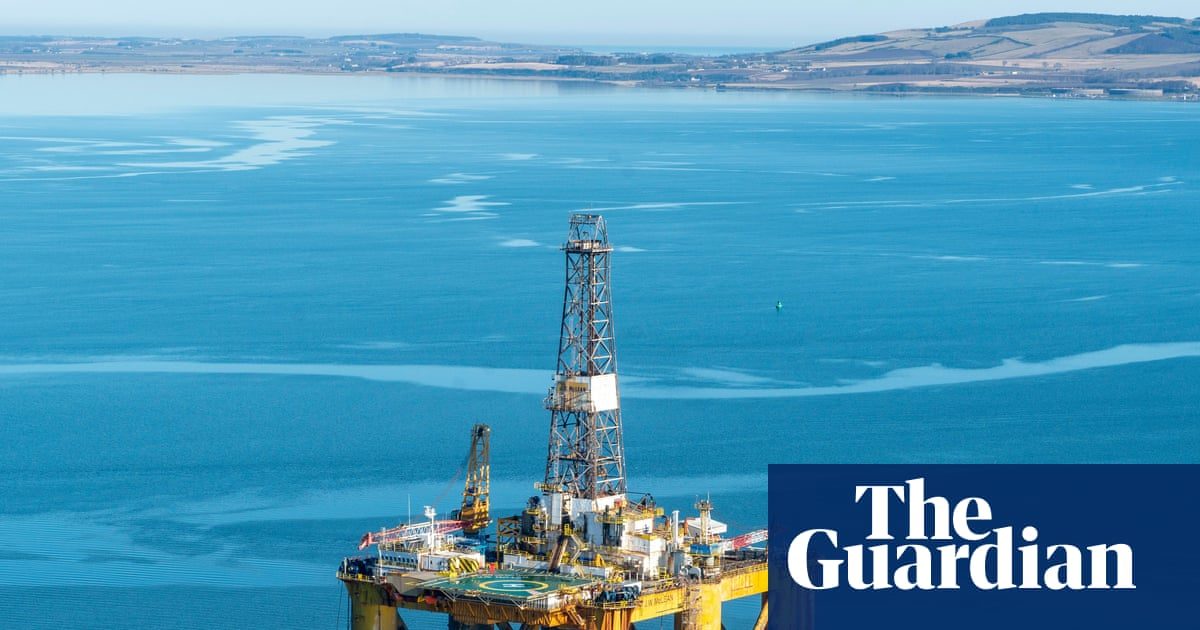
Britain's North Sea industry is pressuring incoming prime minister Andy Burnham to reverse a de facto drilling ban, highlighting the severe competitive damage caused by the country's soaring electricity costs.
Offshore Energies UK and more than 10 affiliated business groups, backed by the GMB trade union, have written to over 400 Labour MPs urging approval for new oil and gas drilling. The intervention comes days before Andy Burnham is expected to become Britain's next prime minister.
The letter frames North Sea extraction as essential to Burnham’s stated mission to reverse deindustrialisation and secure homegrown manufacturing. It argues that a transition to a lower-carbon energy system would be "stronger and fairer" if built on existing industrial strengths rather than abandoning them.
At stake are two major developments: Jackdaw and Rosebank. While Jackdaw could supply gas to British homes by this winter, Rosebank would primarily produce oil for export to European refineries. Both were licensed by the previous Conservative government, meaning their approval would not technically breach Labour's manifesto pledge to halt new exploration licences.
The lobbying appears to be gaining traction. Energy Secretary Ed Miliband, who previously labelled the projects "climate vandalism", is reportedly now willing to consent to Jackdaw. The shift is interpreted as a move by Miliband to position himself as a credible candidate for chancellor under Burnham, prioritising economic pragmatism over ideological rigour.
This industry pressure is underpinned by stark economic realities. A joint report by the CBI and Energy UK found that Great Britain's electricity prices are roughly 45% above the G7 median. This cost differential acts as a heavy drag on productivity and undermines the competitiveness of British industry on the global stage.
Louise Hellem, the CBI’s chief economist, argued that reducing business energy costs must be a "day-one priority" for the new premier. She noted that years of loading policy costs onto electricity bills have left UK businesses struggling to invest, electrify and compete.
"Backing North Sea oil and gas alongside renewables is not about slowing progress. On the contrary, it is about strengthening industrial competitiveness, protecting jobs and reducing reliance on imports in an increasingly volatile world," said Steve Elliott, chief executive of the Chemical Industries Association.
"The question is not whether we use these resources, but whether we produce as much of them as possible ourselves or become increasingly dependent on imports from overseas," the OEUK letter added.
Environmental campaigners have pushed back against this narrative. Robert Palmer, deputy director of Uplift, argued that "new drilling will do little for energy security". He urged the government to "ignore the special pleading of companies that have got very rich while households faced soaring energy bills" and instead invest in future-proof industries like wind manufacturing.