VW Osnabrück missile deal at risk as Qatar blocks Israel ties
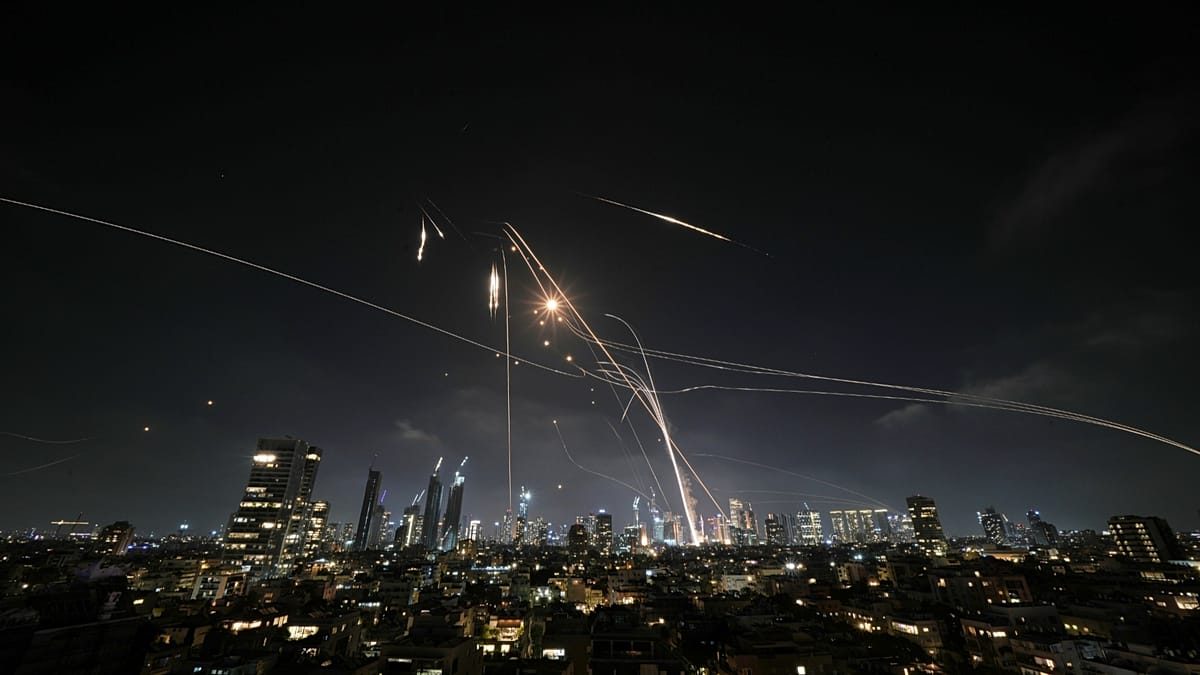
Plans to save 2,300 jobs at Volkswagen's Osnabrück plant by producing Iron Dome components face collapse due to Qatari shareholder resistance and a potential shift of production to India.
Israeli defence contractor Rafael Advanced Defense Systems is reportedly weighing a move to manufacture Tamir interceptor missiles in India, throwing the future of Volkswagen’s Osnabrück plant into doubt. The shift in strategy would scrap a memorandum of understanding signed in April to produce components for the Iron Dome air defence system at the German site. A final decision from Rafael has not yet been officially confirmed.
The potential collapse of the German deal stems from internal resistance within the Volkswagen group. The Qatar Investment Authority (QIA), which holds around 17% of VW’s voting rights and occupies two seats on the supervisory board, has raised reservations about partnering with an Israeli state-owned company. Reuters reported in June that the Qatari sovereign wealth fund was actively complicating the negotiations, effectively stalling the proposed transition.
For VW, the loss of the Rafael contract would remove a primary lifeline for the Osnabrück factory. Vehicle production at the site is scheduled to end in 2027, leaving roughly 2,300 jobs entirely dependent on securing a follow-up manufacturing project. Converting the plant to arms production had emerged earlier this spring as the most viable industrial solution to prevent its closure.
India offers Rafael a compelling alternative that aligns with broader geopolitical and economic trends. The country is one of Israel's most important defence partners and a key growth market for international arms makers seeking to capitalise on India's "Make in India" domestic production initiative. Furthermore, Rafael already possesses established manufacturing know-how for the Tamir missile, operating a parallel production line in Arkansas through a joint venture with American company Raytheon.
Volkswagen continues to search for a long-term use for the Osnabrück facility as the clock ticks down on its automotive operations. According to the business magazine Capital, the state of Lower Saxony is even weighing a direct financial stake in the plant to support its potential transition into defence manufacturing. However, without a willing industrial partner, state intervention alone may not be enough to save the site.