UK's strict beer rules block investment in no-lo boom
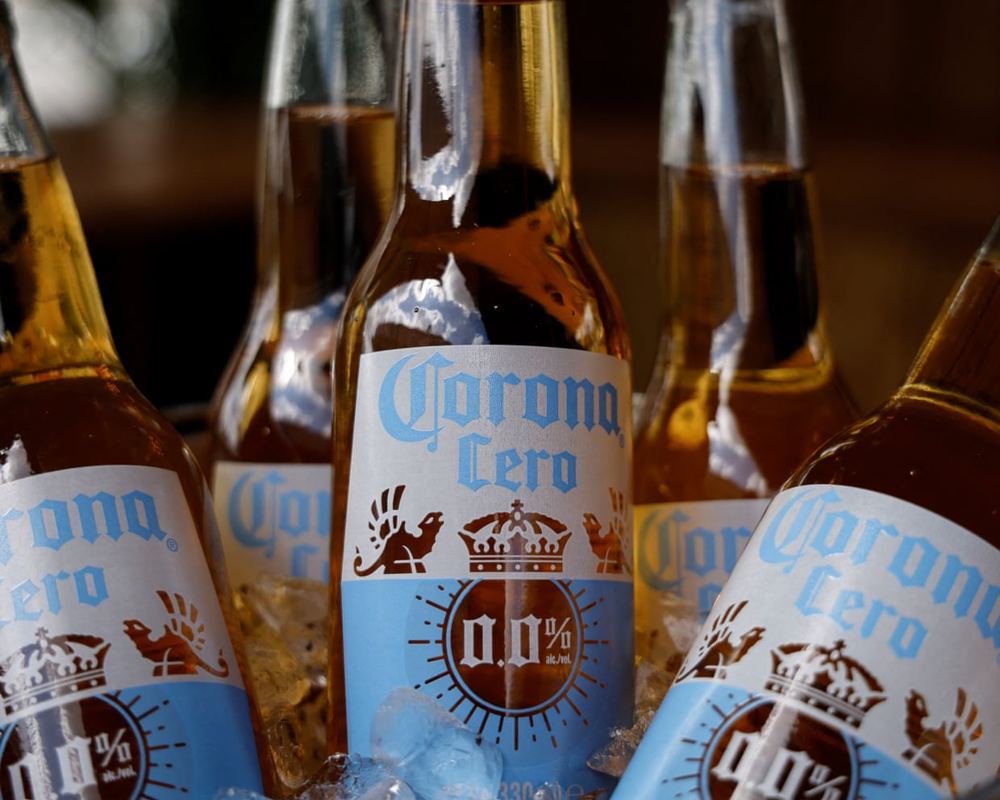
The UK's out-of-step 0.05% alcohol-free threshold is stifling investment in a rapidly growing market, putting it at odds with European standards.
British brewers and pub operators are warning that an overly strict regulatory definition is holding back the country’s booming alcohol-free beer sector. The British Beer and Pub Association (BBPA) says the UK’s 0.05% alcohol by volume (ABV) threshold for "alcohol-free" products is acting as a brake on further investment and product development.
Consumer appetite for these drinks is breaking records. The trade body forecasts that more than 64m pints of low- and no-alcohol beer will be sold over the summer, an increase of 8m compared with 2025. The BBPA cites these figures as proof that the category is "not just a fad", driven by lower alcohol consumption among younger demographics and a trend towards moderation during prolonged heatwaves.
The constraint lies in the chemistry of brewing. Extracting alcohol entirely while preserving flavour is technically difficult, typically requiring heat or pressure that strips taste or raises production costs. Most international markets solve this by allowing a 0.5% ABV limit, a threshold ten times higher than the UK’s.
This regulatory divergence creates friction for cross-border trade. It leaves British brewers at a competitive disadvantage and creates a barrier for European producers whose standard 0.5% exports cannot be labelled as alcohol-free in the UK, complicating market access.
The mismatch threatens to stall a major growth category. Since 2013, no- and low-alcohol beer volumes in the UK have grown by 870%, making it the sector's fastest-expanding segment. However, the BBPA warns that maintaining the 0.05% watermark is now actively deterring the capital needed to scale production.
The bottleneck coincides with peak seasonal demand driven by major sporting events. “When the sun is out and the football is on, people want to make the most of it, and alcohol-free beer matches the occasion,” said Luke Boase, the founder of Lucky Saint. “We think the government updating the alcohol-free definition to 0.5% will get more people drinking alcohol-free in this country, which can only be a good thing.”
Industry leaders are pushing for rapid alignment with international norms to unlock this stalled potential. “We need government to keep the momentum going by changing the alcohol-free definition to 0.5%,” said Emma McClarkin, the chief executive of the BBPA. “This will open the door to greater investment, keep us on par with international markets, and deliver even more options for people who choose to moderate, everyone wins.”