BoE's Bailey warns US cannot secure AI alone
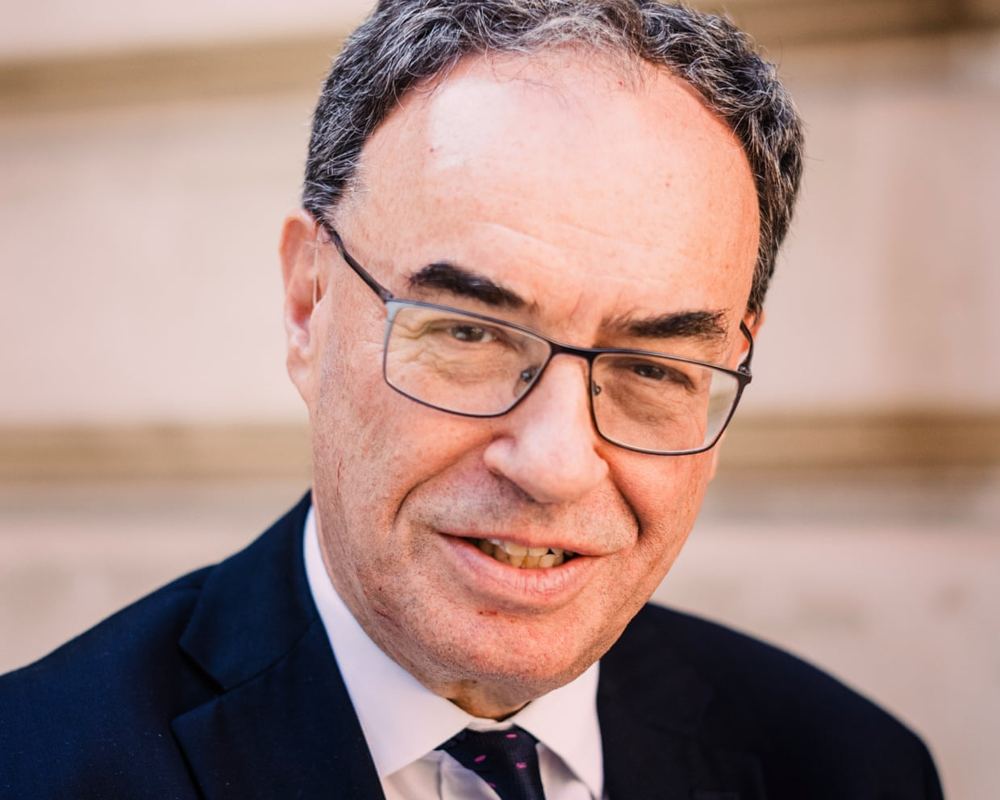
The Bank of England governor has warned Washington that unilateral AI restrictions will fail, as a looming UK leadership change faces rising geopolitical and fiscal headwinds.
Bank of England governor Andrew Bailey has warned that the United States cannot protect its digital infrastructure from advanced artificial intelligence without international help. Speaking ahead of the annual Mansion House dinner in London, Bailey argued that recent unilateral actions by the Trump administration fall short of what is needed to prevent bad actors from acquiring destabilising tools.
His comments directly follow a temporary US ban on foreigners accessing Anthropic’s Claude Mythos model, a restriction later lifted but which alarmed allies. “The US can’t achieve what it sensibly wants to achieve, in terms of strengthening defences, on its own because it is a highly interconnected system,” Bailey said. “No country can seal itself off from the cross-border nature of systems that are prevalent today.”
Bailey’s plea for coordinated safety testing aligns with warnings from Demis Hassabis, the British founder of Google Deepmind. In an essay posted on X on Tuesday, Hassabis called for a US-led global AI watchdog, noting that models matching human cognitive capabilities are “probably only a few short years away”.
Fiscal handover amid market turbulence
The AI warning formed part of a wider Mansion House address that doubled as a swansong for chancellor Rachel Reeves. With Andy Burnham widely expected to be confirmed as Labour leader on Friday and take over as prime minister next week, Reeves warned her successor not to squander the economic groundwork she laid. “That hard-won credibility must be sustained and the foundations maintained if this work … is to continue,” she said.
Reeves pointed to borrowing falling from 5.2% to 4.2% of GDP, alongside rising investment, wages and productivity. She also noted waiting lists were falling at their fastest rate in 17 years, with half a million children projected to be lifted out of poverty this parliament. However, the incoming chancellor will immediately face constrained finances, needing to find an additional £4.7bn over four years for a new defence investment plan.
Geopolitical volatility is already straining those margins. Following the collapse of the US-Iran memorandum of understanding, the yield on 10-year UK government debt briefly surged above 5% on Tuesday, its highest level since May. Sustained higher gilt yields would eat into the £23.6bn of fiscal headroom Reeves set aside in March.
The market pressure eased slightly after Trump appeared to drop a threat to impose a 20% levy on ships transiting the Strait of Hormuz. “The resumption of hostilities in the Middle East in the last few days has shown that our economic resilience will continue to be tested, and the market response to those changes shows that there is still work to do to insure our economy and our country against a volatile global landscape,” Reeves said. This volatile backdrop will complicate the cost of living package Burnham is expected to announce as households face higher winter energy bills.