US tariffs on Brazil target digital sovereignty, warning for Europe
Washington’s plan to hit Brazil with 25% tariffs over its regulation of US tech firms and its domestic payment system sets a stark precedent for European digital autonomy.
Donald Trump is expected to decide on Wednesday whether to impose a 25% tariff on Brazilian imports. The proposed duties are a direct response to a ruling last June by Brazil’s supreme court, which held US tech firms like X and Meta liable for user posts, forcing them to remove hate speech and anti-democratic content. Trump argued that the judges were compelling American companies to take down "political" material.
The trade dispute took a remarkable turn last week at a US International Trade Commission hearing. Flávio Bolsonaro, whose father Jair Bolsonaro is serving a 27-year prison sentence for a failed 2023 coup, testified before Washington. Running as the opposition candidate in Brazil’s October election, Flávio asked the US to delay tariffs until the vote, pitching himself as a pro-American alternative to the "anti-American" president, Luiz Inácio "Lula" da Silva.
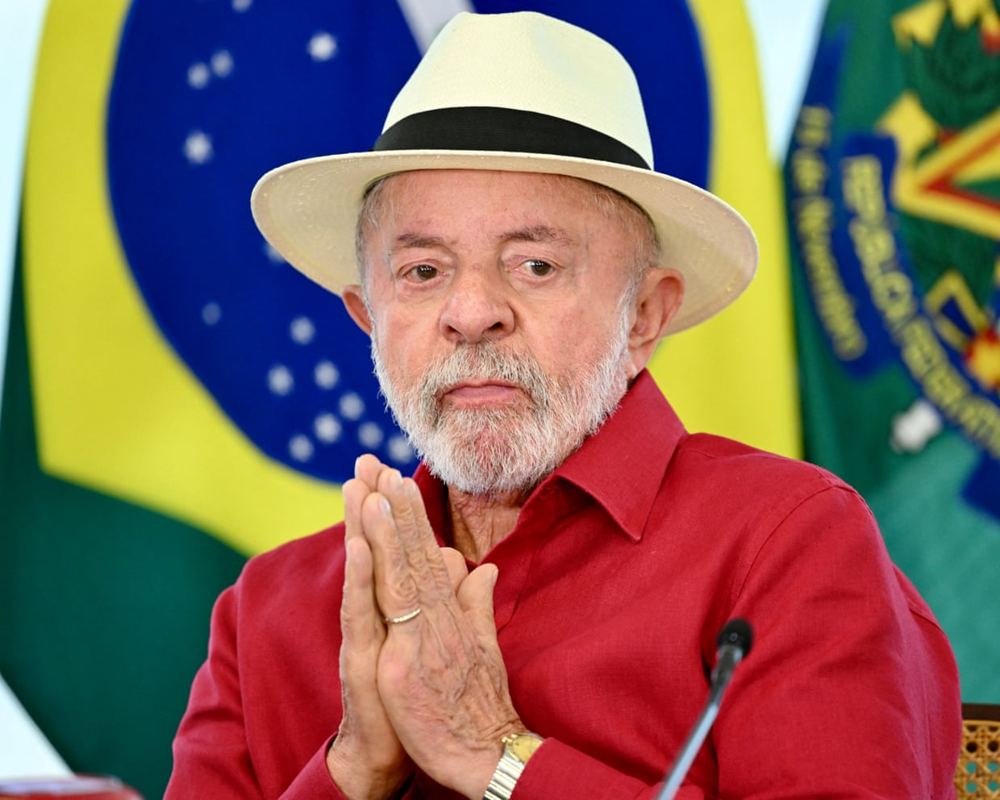
Lula currently leads the polls. The 80-year-old former factory worker made redistribution the language of Brazilian democracy, reducing extreme poverty from 30 million in 2002 to under 7 million today. His political survival is rooted in these tangible economic results.
For European investors and policymakers, the geopolitical theatre is less important than the underlying precedent. Trump has recast Brazilian digital and financial sovereignty as unfair commercial discrimination. By demanding that the US maintain jurisdiction over Brazil’s information sphere, Washington is establishing a template where regulating American tech platforms triggers severe trade retaliation.
This friction extends deeply into finance. Brazil’s Pix payment system processed $6.7tn in 2025. The public infrastructure allows instant transfers between individuals, businesses, and government entities, effectively bypassing Visa and Mastercard networks to insulate the domestic economy from external pressure.
As economist Andrés Arauz has argued, payments are data. When routed through US-linked networks, they become tools of surveillance and leverage. When kept national, they become the foundation for sovereign AI development.
Europe faces the exact same strategic calculations as it tries to reduce reliance on American payment processors and enforce digital rules against US tech giants. If Washington successfully weaponises trade policy to punish Brazil for seeking technological autonomy, European markets must prepare for a similar confrontation. The real offence is not protectionism, but autonomy.