Spain’s Collective World Cup Strategy Overcomes France’s Star Power
Spain’s 2-0 semi-final victory over France highlights the strategic advantage of systemic teamwork over individual star power, offering a clear parallel for European organizational leadership.
Spain secured a dominant 2-0 victory over France in the World Cup semi-final, eliminating Kylian Mbappe and advancing to face either England or Argentina in Sunday’s final. The result underscores a decisive triumph of collective organization over individual attacking firepower.
France entered the match relying on a roster of high-profile attackers, including Mbappe, Ousmane Dembele, Michael Olise, Bradley Barcola and Desire Doue. Despite adding Rayan Cherki, the French side was rendered toothless, generating chances worth only 0.30 expected goals.
Spain’s head coach Luis de la Fuente noted that in front of France, his side had "the best team in the world," a claim supported by his record of 13 wins in 14 major tournament games. Spain has averaged 64 per cent possession during the tournament and completed roughly 200 more passes in the final third than any other competing side.
The tactical disparity was most evident in off-the-ball efforts. Former France international Patrick Vieira noted that Spain "dominated the game in every single aspect," adding that tactically, they were "all over the French team." Roy Keane observed that Spain won because of their work out of possession, operating in packs with an intensity that contrasted sharply with France’s individualized defending.
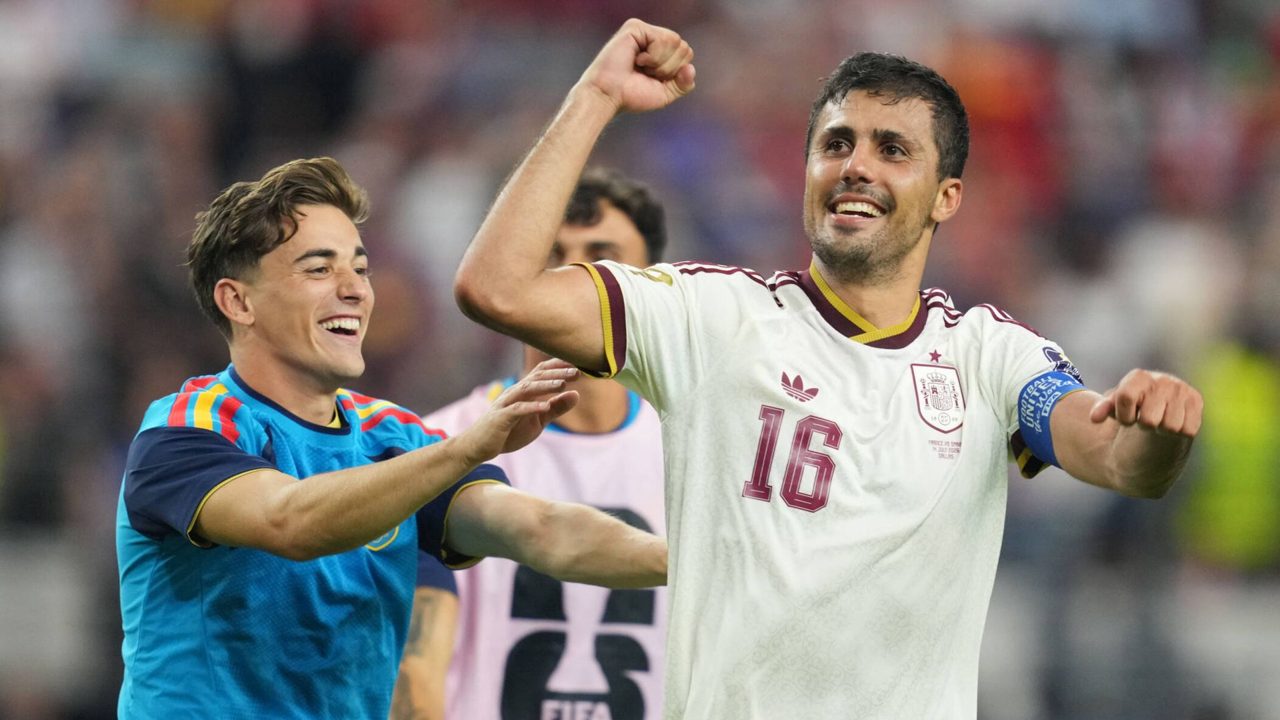
While Spain possesses standout talent in 19-year-old Lamine Yamal, who won the penalty for the opening goal against Lucas Digne, he has scored only once in seven games. The team has not required him to carry the offensive burden. Midfielder Rodri won 11 of his 15 duels against France, but his technical qualities are mirrored across the squad.
This depth is evident in the reliable contributions of players like Mikel Oyarzabal, who has five goals, and Mikel Merino, whose impact from the bench highlights the squad’s collective buy-in. Such systemic resilience ensures the team does not collapse when a single individual is neutralized.
For European corporate leaders and investors, the match serves as a practical case study in organizational design. In an environment often fixated on high-cost individual assets, Spain’s systematic approach demonstrates that sustainable success is frequently driven by cohesive, well-drilled units rather than isolated brilliance.